
























Editorial: Black Pas Faces Harshest Winter Season Challenges in Andorra

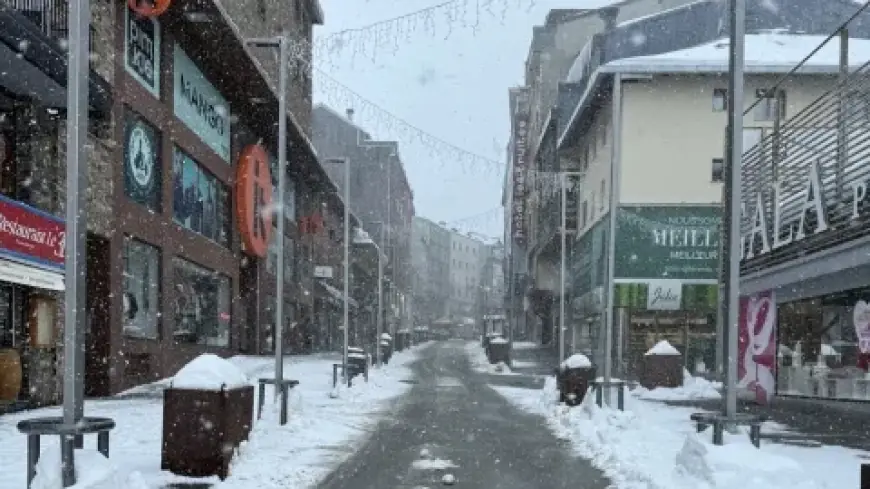
This winter at Pas de la Casa is being remembered as the “Black Pas” season. Despite abundant snowfall and ideal natural conditions, external factors have significantly tested the resilience of the local tourism and business sectors. The term “Black Pas” reflects a partial economic and tourism shutdown stemming from a mix of security measures, international tensions, and natural disasters.
Challenges Facing Pas de la Casa
Since last summer, the Andorran government has taken steps to combat smuggling. This included revoking sales licenses and detaining businesses in France that collaborated with smuggling networks from Algeria, the Maghreb, and Eastern countries. During illegal crossings through the snow-covered mountains, smugglers charged as much as 200 euros per journey.
Impact of Protests in France
The unfolding situation worsened with protests in France against DNC, which directly affected tourist traffic to Pas de la Casa. This limitation on visitor mobility complicated the tourism season just as winter was approaching.
Infrastructure Challenges
Another setback occurred with a landslide on the RN-20 road last Friday. Experts from both France and Andorra confirmed that over 200 cubic meters of rock had destabilized the terrain. As a result, the road will remain closed until safety assessments are completed.
Government Response and Support Initiatives
In light of these challenges, Andorra’s head of government, Xavier Espot, announced a forthcoming package of aids and measures aimed at supporting affected businesses. This initiative aims to mitigate revenue losses and ensure economic continuity.
- Support measures will differentiate based on the impact on each sector, including local commerce, hospitality, and tourist accommodations.
- The coordination will occur with French authorities to ensure effective action in response to these challenges.
The Broader Implications of the “Black Pas”
The “Black Pas” season highlights that the tourism season is highly vulnerable to external influences beyond mere snowfall and favorable conditions. The interplay of anti-smuggling measures, cross-border tensions, and natural disasters underscores the pressing need for more robust protocols and safeguards for the sector.
While alternative routes through the Eastern Pyrenees and Puigcerdà, along with increased train services and emergency options, help alleviate some impact, they do not fully compensate for economic losses or the prevailing sense of insecurity.