






















Timberwolves Trade Brings Ayo Dosunmu to Minnesota as Bulls Take a Swing on Rob Dillingham, Leonard Miller, and Four Picks

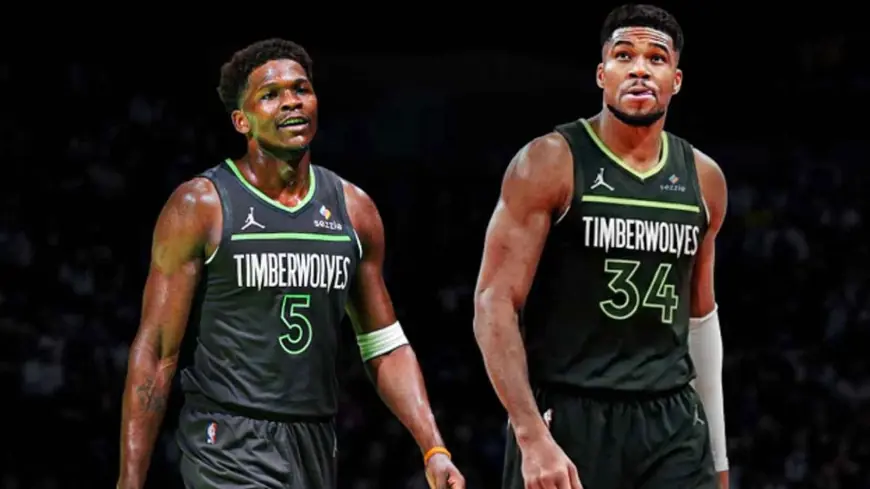
The Minnesota Timberwolves made a deadline-day move that signals urgency now and flexibility later, acquiring guard Ayo Dosunmu and forward Julian Phillips from the Chicago Bulls in exchange for rookie guard Rob Dillingham, forward Leonard Miller, and four second-round draft picks. The teams confirmed the deal on Thursday, February 5, 2026 ET, with the trade landing in the final hours before the NBA’s 3:00 p.m. ET deadline.
It’s not a star-for-star blockbuster, but it’s the kind of trade that can matter in the margins of a playoff series: Minnesota adds a two-way guard who can credibly handle the ball and defend, while Chicago turns two rotation pieces into a younger skill bet plus future draft currency.
What happened: the deal, the players, the picks
Minnesota receives:
-
Ayo Dosunmu
-
Julian Phillips
Chicago receives:
-
Rob Dillingham
-
Leonard Miller
-
Four second-round picks
On paper, the exchange is simple. In practice, it reflects two teams moving in opposite directions: the Timberwolves choosing immediate utility for a playoff push, and the Bulls choosing optionality and development runway.
Why the Timberwolves targeted Ayo Dosunmu
Minnesota’s motivation starts with role clarity. Dosunmu is a guard who can do real NBA guard work: defend at the point of attack, push tempo, make basic reads, and hit open threes when the offense collapses toward the paint. For a team built around high-end shot creation from its stars, the value of a steady guard is less about taking over and more about preventing empty possessions.
Dosunmu has also been having a strong season by efficiency standards, with scoring and shooting numbers that suggest he can punish defenses when they load up on primary options. If he holds that form, Minnesota gains a backcourt piece who can play alongside a star without needing the ball every trip—and can also run bench units without everything turning into a stalled half-court grind.
There’s a second layer: contract control. Dosunmu’s situation gives Minnesota a cleaner pathway to keep him beyond this season if they decide he fits, which matters for teams trying to win now while managing future cap constraints.
Where Julian Phillips fits in Minnesota’s plan
Phillips is the “quiet” part of the trade—young, low-usage, and still defining his NBA identity. For Minnesota, that’s fine. The Timberwolves don’t need Phillips to score; they need him to compete, defend, rebound his position, and survive in playoff-adjacent minutes when matchups demand size on the wing.
If he develops, he becomes a cheap, useful rotation player. If he doesn’t, the cost is muted because the main purpose of the trade is Dosunmu’s immediate impact.
Why Chicago moved Dosunmu and Phillips
From Chicago’s side, this reads like a classic reset move: convert present-day players into future chips.
Dillingham is the swing. He’s a young guard whose value is still largely theoretical: speed, creation flashes, and the kind of shot-making profile that front offices gamble on when they believe a different development environment can unlock it. Chicago can offer something Minnesota couldn’t consistently provide for a rookie on a team trying to win: patient minutes, clearer reps, and the freedom to play through mistakes.
Leonard Miller is a similar bet in a different body type—young frontcourt talent who has shown promise but hasn’t carved out a stable role in a win-now rotation. For a team shifting toward longer-term evaluation, that kind of player becomes more valuable.
The four second-round picks are the lubricant and the insurance. They can be packaged in a later deal, used to take fliers in the draft, or deployed as sweeteners when Chicago needs to move salary or target a specific role player down the line.
Behind the headline: incentives and leverage
This trade is really about leverage.
Minnesota’s leverage is competitive pressure: when a team is good enough to care about playoff matchups, it can’t afford weak links in the backcourt rotation. A dependable guard is often worth more than a developmental prospect at that moment.
Chicago’s leverage is time: rebuilding teams can wait for a young guard to figure it out. They can also stack picks and let the market come to them later.
The result is a swap of timelines. Minnesota buys certainty. Chicago buys possibility.
What we still don’t know
Several details will decide who “wins” this trade over the next 6–18 months:
-
Whether Dosunmu closes games for Minnesota or settles into a high-minute bench role
-
How quickly Minnesota’s staff trusts him in late-game decision-making
-
Whether Phillips becomes a real defensive rotation option or stays developmental
-
Whether Dillingham gets the consistent minutes needed to stabilize his shot selection and pace
-
How Chicago uses the second-round picks—drafting, trading, or salary mechanics
What happens next: realistic scenarios and triggers
-
Dosunmu becomes Minnesota’s steadying guard in playoff lineups
Trigger: reliable defense and low-mistake offense next to the stars. -
Minnesota uses Dosunmu as bench engine and matchup defender
Trigger: staggered lineups where he can push tempo and guard top creators. -
Dillingham pops in Chicago with expanded reps
Trigger: a consistent role that rewards his pace and shot creation. -
The picks become the real story for Chicago
Trigger: packaging multiple seconds to move up, add a targeted veteran, or grease a future roster reshuffle.
For Minnesota, this is a bet that the right role player can swing a postseason outcome. For Chicago, it’s a bet that time plus talent plus draft ammo beats clinging to a present-day fit. The answers won’t come on trade-deadline night—they’ll come the first time a playoff game tightens, the ball sticks, and a team needs one extra guard to keep the offense alive.