






















Ivica Zubac Traded to the Indiana Pacers in Deadline-Day Blockbuster as Clippers Bet on Bennedict Mathurin and Draft Capital

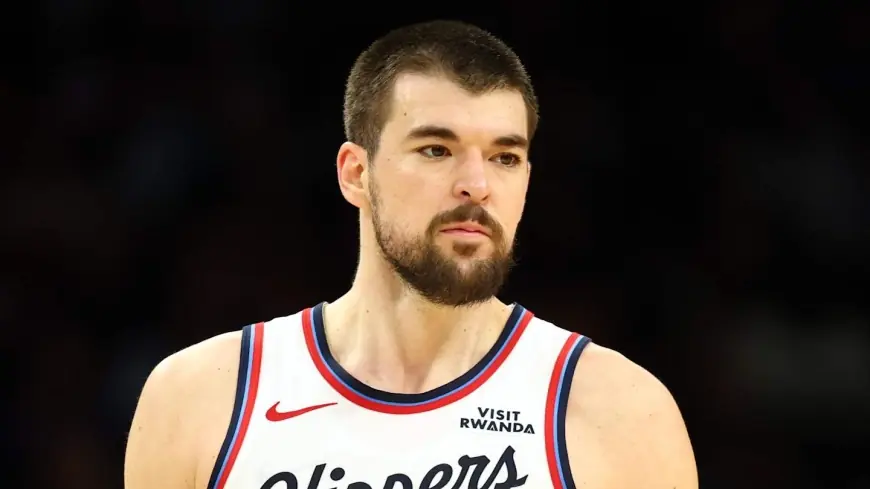
The NBA trade deadline delivered a major center shake-up on Thursday, February 5, 2026 (ET), with the Los Angeles Clippers sending Ivica Zubac to the Indiana Pacers in a deal that signals two very different team timelines. Indiana gets a durable, high-level interior presence in Zubac plus young forward Kobe Brown. The Clippers get a scoring wing in Bennedict Mathurin, a big in Isaiah Jackson, and a bundle of future picks designed to keep their next era flexible.
What happened in the Zubac–Pacers trade
Trade terms finalized on deadline day:
Pacers receive
-
Ivica Zubac
-
Kobe Brown
Clippers receive
-
Bennedict Mathurin
-
Isaiah Jackson
-
Two first-round picks from Indiana
-
One second-round pick
The first-round pick mechanics matter. Indiana’s 2026 first-rounder is conditionally protected, and if it falls into certain protected ranges, it flips to a later unprotected first-rounder from Indiana instead. The second first-rounder in the package is unprotected in a future year, giving the Clippers real upside if Indiana’s trajectory changes.
Why Indiana targeted Ivica Zubac
Indiana’s roster has been built to play fast and score, but its postseason ceiling has repeatedly run into the same problem: controlling the paint on both ends. Zubac addresses that immediately.
This season, Zubac has been producing like a true anchor, hovering around the mid-teens in scoring while posting elite rebounding totals and providing dependable rim protection and screening. His value isn’t just box-score production. He stabilizes possessions: finishes defensive rebounds, creates second-chance chances, and gives guards a consistent pick-and-roll partner who doesn’t need touches to matter.
For a Pacers team that wants a reliable center it can plug into playoff basketball, Zubac is the kind of “boring in the best way” upgrade: fewer experimental minutes, more predictable outcomes.
Why the Clippers were willing to move their starting center
On paper, trading a starting-caliber center on a team-friendly contract looks risky. In practice, it can be the cleanest way to pivot without fully bottoming out.
Zubac’s 2025–26 salary is roughly $18 million, and his deal has been viewed around the league as good value relative to his impact. That contract quality is exactly what makes him tradable at a premium.
The Clippers’ return reflects a front office trying to do two things at once:
-
Add a young, high-upside scorer who can grow into a bigger role
-
Stockpile picks that create multiple future options: draft, consolidate, or re-trade
Mathurin is the centerpiece. He’s having a career-best season statistically, and he fits a modern roster archetype teams chase: a wing who can generate his own offense, get to the line, and scale up usage.
Bennedict Mathurin, Isaiah Jackson, and what each team is really buying
Mathurin gives Los Angeles a potential long-term scoring engine with age on his side. The immediate questions are role and efficiency: can he impact winning when the game slows down and defenses load up, and how quickly can he adapt to a new system?
Jackson is the swing piece. Bigs with his athletic profile can be extremely valuable if they stay healthy and consistent defensively, but they can also be lineup-dependent. Indiana clearly decided Zubac’s certainty was worth the cost of moving on from Jackson’s potential.
Kobe Brown is a quiet subplot. Indiana is not only buying a center; it’s buying another young body who can grow in a defined role.
What’s behind the headline: incentives, stakeholders, and the pressure points
Context
Deadline deals often reveal what teams believe about their own ceiling. Indiana is acting like a team that wants to stop being “interesting” and start being structurally hard to beat. The Clippers are acting like a team that wants optionality more than stability.
Incentives
-
Indiana’s incentive: raise the floor of its defense and rebounding immediately, even at the cost of future flexibility.
-
The Clippers’ incentive: turn a high-value veteran into a younger scorer and picks, preserving multiple routes to the next roster core.
Stakeholders
-
Pacers decision-makers, who now own the responsibility of building a playoff-ready roster around a true interior anchor.
-
Clippers leadership, who will be judged on whether the picks become real rotation players or the currency for the next star pursuit.
-
Mathurin and Zubac, whose reputations will shift quickly based on how their new teams perform in the first month.
Second-order effects
This deal can quietly reshape the market for big men. When a reliable starting center commands multiple first-rounders plus a young scorer, it resets the “price of competence in the paint” for every other team shopping for size.
What we still don’t know
-
How Indiana’s offense changes with Zubac demanding more pick-and-roll and post-touch structure
-
Whether the Clippers can replace Zubac’s rebounding and interior defense without bleeding second-chance points
-
How the conditional pick protections will actually resolve once the 2026 draft order is set
-
Whether either team makes a follow-up move using the new roster balance
What happens next: 5 realistic scenarios with triggers
-
Pacers surge defensively after the initial adjustment
Trigger: Zubac stays healthy and Indiana’s perimeter defenders funnel drives into a more organized back line. -
Clippers lean into a younger perimeter identity
Trigger: Mathurin’s scoring translates immediately and the rotation shifts toward speed and spacing. -
Indiana keeps dealing to balance the roster
Trigger: the guard and wing rotation becomes crowded and Indiana looks to flip depth for shooting or defense. -
Clippers use pick equity to chase another major move
Trigger: a star becomes available and the Clippers can offer picks without gutting their entire roster. -
The trade becomes a referendum in April and May
Trigger: postseason matchups expose either Indiana’s remaining weaknesses or the Clippers’ interior void.
This Zubac trade is the kind of deadline move that looks simple on the surface—center for wing and picks—but it’s really two franchises placing bets on what wins in the next two to four years: a stable paint presence now, or flexible perimeter scoring plus draft capital later.