






















Cam Thomas waived by Nets after trade deadline, hitting open market at 24

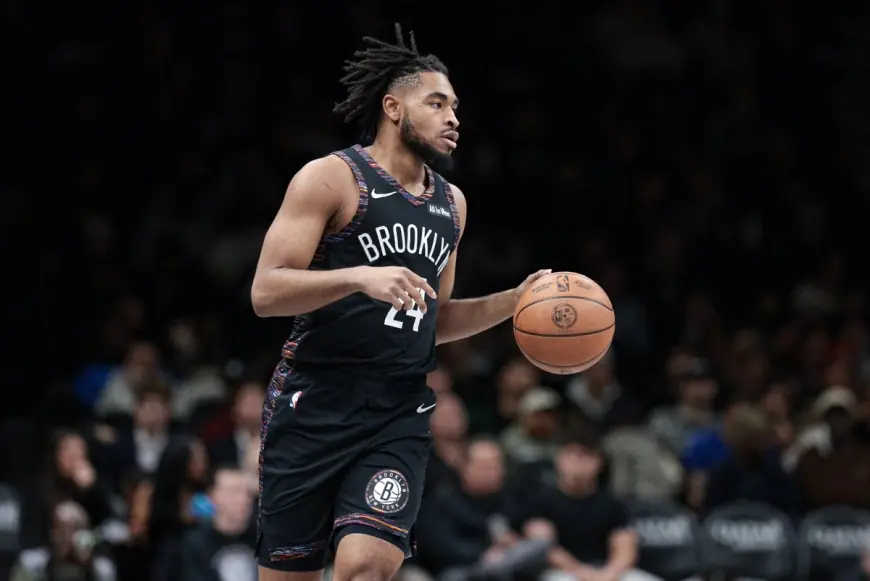
Cam Thomas’ time in Brooklyn ended Thursday, Feb. 5, 2026 (ET), when the Nets waived the scoring guard shortly after the NBA trade deadline passed. The move makes Thomas available to sign elsewhere once he clears waivers, closing a multi-year stretch in which he produced points in bunches but never fully aligned with the franchise’s long-term plan.
What happened and when
The NBA trade deadline hit at 3:00 p.m. ET on Feb. 5. Brooklyn did not move Thomas in a deal before that cutoff, then proceeded with a waiver that afternoon. The timing is notable: teams typically waive a player like Thomas only when they’ve concluded (1) a workable trade didn’t materialize and (2) roster and cap priorities now outweigh the value of keeping him through the season.
Why Brooklyn moved on now
Thomas’ relationship with the Nets has often felt transactional: he was clearly valuable as a scorer, but his role fluctuated, and long-term contract talks never produced a multi-year agreement. Last summer, Thomas played on a one-year qualifying offer worth about $6 million, a choice that positioned him to reach unrestricted free agency rather than stay tied to restricted free agency controls.
That structure also made a deadline trade harder. A qualifying offer typically includes a no-trade clause, which can complicate late negotiations because the player has leverage to reject a destination. Meanwhile, teams weighing a deal had to decide whether they’d be comfortable committing money beyond this season to a player whose best trait is volume scoring.
What Thomas was producing this season
Thomas was Brooklyn’s second-leading scorer this season, averaging 15.6 points with 3.1 assists in 24 games. He missed a significant chunk of time with a hamstring strain, which limited both his rhythm and his visibility to potential suitors during a key evaluation window.
Even with the missed time, his scoring track record remained the main calling card. He led the Nets in scoring in 2023–24 (22.5 points per game) and posted a team-best scoring average again the following season in a limited sample. Over his NBA career, he has averaged roughly 15 points per game.
What “waived” means for his next team
Being waived does not make Thomas an instant free agent the moment the news breaks. He must go through the NBA’s waiver process; if no team claims his contract, he can then sign with any team that has a roster spot and the cap flexibility to add him.
Key implications:
-
He can choose a fit: once unclaimed, he’s free to sign with any team, not just one bidder in a trade.
-
Teams can negotiate role and money: a new deal can range from a minimum contract to a multi-year prove-it structure, depending on market appetite.
-
The playoff factor matters: late-season additions often prioritize teams with clear rotation minutes and a defined offensive role.
What kind of player teams are evaluating
Thomas is one of the league’s more natural shot creators in the half court. He can generate offense late in possessions, get to pull-ups, and score in clusters—skills that can swing regular-season games and juice second units.
The questions that shape his market are familiar: defensive consistency, shot selection, and how he fits next to a primary lead guard. For contenders, the appeal is punch off the bench; for rebuilding teams, the appeal is a young scorer who might expand into a bigger offensive role with sustained minutes and developmental attention.
Why this move matters around the league
Waiving a 24-year-old who can score at Thomas’ rate is uncommon, which is why this is drawing attention beyond Brooklyn. It also reflects a broader deadline-day reality: if a player’s contract situation and role fit don’t match a team’s direction, front offices increasingly prefer to reset the roster spot rather than carry the uncertainty to July.
For Thomas, the opportunity is immediate. A midseason signing can be a trial run that turns into a longer relationship—especially if he lands somewhere that values his scoring without asking him to be something he isn’t overnight.
What to watch next
The next concrete milestones are straightforward: whether any team claims him on waivers, and—if he clears—how quickly he picks a destination. If he signs quickly, it may signal that teams had interest but couldn’t align trade value at the deadline. If the process takes longer, it could reflect teams sorting cap constraints, roster spots, and playoff-eligibility preferences.
Sources consulted: Reuters, ESPN, Yahoo Sports, Hoops Rumors