




















Austin Wells Commits to Team Dominican Republic for the 2026 World Baseball Classic, Adding a New Layer to Yankees’ Spring Plans

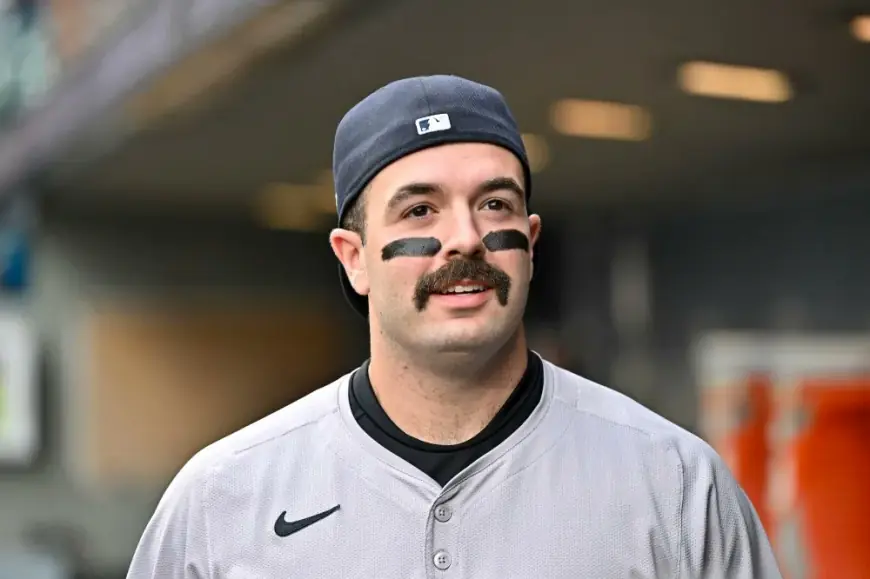
Austin Wells is stepping onto a bigger stage this March. The New York Yankees catcher has committed to represent the Dominican Republic in the 2026 World Baseball Classic, a decision that immediately turns a normal spring-training ramp-up into a high-visibility balancing act for both player and club.
The tournament runs March 4 through March 17, 2026 ET, with pool play unfolding in the opening stretch before the single-elimination rounds begin. For Wells, that means competitive, playoff-intensity games in the middle of what is usually the controlled, incremental workload-building phase of camp.
What happened and why it matters now
Wells’ selection for the Dominican Republic is notable for two reasons.
First, it is a rare identity and eligibility storyline for a Yankees regular, and it places him on one of the tournament’s deepest rosters. Second, it forces the Yankees to manage catching reps differently in February and early March. Catchers do not just “get in shape.” They build timing with pitchers, handle bullpen sessions, learn new scouting plans, and absorb constant squatting and impact work. A mid-spring tournament compresses all of that.
The Yankees can support the opportunity while still protecting their primary catcher’s workload, but it requires planning: fewer early spring innings behind the plate, more scheduled recovery, and a clear schedule for how Wells will transition from tournament intensity back into regular-season readiness.
Behind the headline: why Wells and the Dominican Republic both say yes
This is not just a feel-good international moment. There are incentives on every side.
For Wells, the upside is obvious: high-leverage games, elite teammates, and a global spotlight that can elevate his profile beyond the Bronx. It is also a competitive accelerant. Some players come out of the World Baseball Classic sharper, more locked in, and more comfortable facing premium velocity earlier than usual.
For the Dominican Republic, Wells fills a specific need. Catching depth is often the quiet separator in short tournaments, where game-calling, stolen-base control, and staff handling can swing outcomes as much as a big home run.
For the Yankees, there is reputational and clubhouse value in supporting players who want to compete internationally, especially when the sport is pushing harder to build global moments. But there is also a cost: injury risk, fatigue, and disrupted pitcher-catcher continuity.
The Yankees impact: spring training workload and the backup catcher picture
Wells’ WBC commitment effectively increases the importance of New York’s secondary catching plan.
In a typical spring, the starter gets a gradual build while backups and non-roster options absorb innings. With Wells headed to meaningful games in early March, the Yankees will likely want other catchers to bank more early reps with the pitching staff so that continuity does not live with only one player.
That makes the backup competition more than a depth chart footnote. It becomes a real operational question: who can handle a meaningful share of spring catching duties, keep pitchers on schedule, and provide insurance if Wells returns from the tournament needing a lighter week?
Even if Wells is healthy and raring to go, the Yankees also have a long-season incentive to keep him fresh. Catchers wear down, and teams that plan for it early tend to benefit later.
What we still don’t know
Several key pieces remain unclear heading into the heart of camp:
How aggressively the Dominican Republic will use Wells in pool play versus later rounds
Whether the Yankees will limit Wells’ early spring catching volume to keep him strong for March competition
How pitchers and coaches will sequence bullpen work and spring starts to ensure more than one catcher develops feel for the staff
What the recovery plan looks like after Wells returns from tournament travel and high-stress games
In a perfect scenario, Wells comes back sharper and confident. In a less ideal one, he comes back tired, nicked up, or simply behind on the quieter but essential routine-building that catchers rely on.
What happens next: realistic scenarios and triggers to watch
-
Wells plays regularly and returns hot
Trigger: he stays healthy, catches cleanly, and builds offensive rhythm against elite pitching. -
The Yankees manage him carefully with fewer early spring innings
Trigger: workload monitoring becomes the priority, even if it means he looks “late” statistically in spring games. -
A backup catcher emerges as more than a placeholder
Trigger: someone behind him handles staff duties smoothly and earns a bigger share of regular-season starts. -
Wells’ bat becomes the spring question
Trigger: if he starts slowly at the plate, the WBC becomes a proving ground rather than a celebration. -
Health dictates everything
Trigger: any knee, hand, or back issue changes the entire calculus instantly, because catching injuries rarely cooperate with timelines.
Why it matters
Austin Wells joining Team Dominican Republic is a marquee personal milestone and a meaningful competitive challenge. For the Yankees, it is also a reminder that the modern season no longer begins on Opening Day. It begins now, with workload decisions, depth planning, and the understanding that a catcher’s value is not only in his swing, but in how he keeps an entire pitching staff on track when the calendar gets complicated.