























White House Uncertain About ICE Presence at Voting Locations

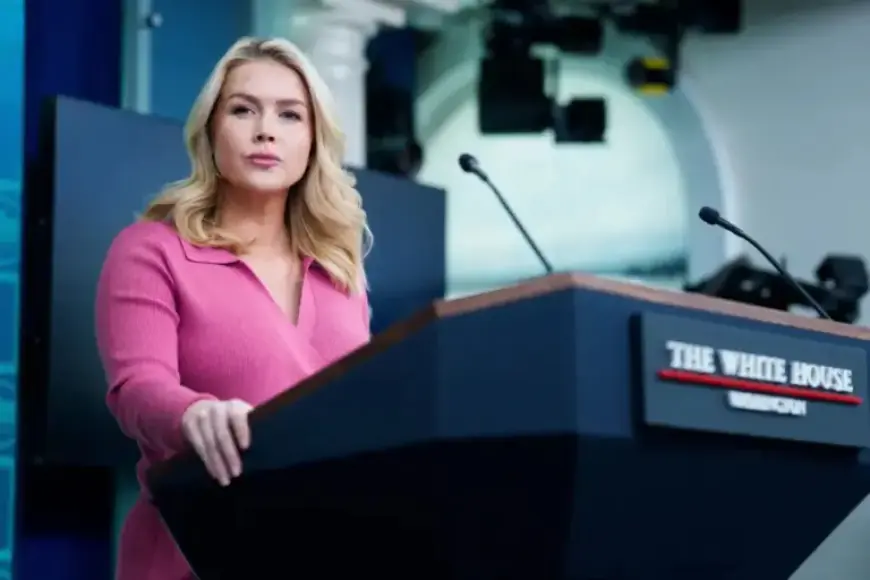
The White House recently faced scrutiny regarding the potential involvement of Immigration and Customs Enforcement (ICE) at polling locations this November. This uncertainty has emerged amidst growing extremist rhetoric suggesting federal forces could be stationed at the polls. White House Press Secretary Karoline Leavitt addressed concerns surrounding claims from far-right activist Steve Bannon regarding ICE’s presence during elections.
Responses from the White House
When questioned about Bannon’s assertion that ICE would “surround the polls,” Leavitt neither confirmed nor denied the likelihood of such actions. She stated, “I can’t guarantee that an ICE agent won’t be around a polling location in November.” Her reluctance to provide a definitive answer has raised concerns among voter rights advocates.
Legal Context and Historical Precedents
Polling places have long been recognized as sensitive environments where intimidation should be strictly avoided. Federal and state laws protect these areas to ensure that all citizens can vote without fear. Historically, the federal government has maintained a non-interference policy concerning immigration enforcement at polling sites to safeguard the voting process.
- Polling places are sensitive areas protected by federal law.
- Federal government typically prohibits ICE activity during elections.
- Intimidation at polling sites undermines the democratic process.
Political Climate and Implications
Leavitt’s comments come at a time when certain figures, particularly those aligned with former President Trump, have called for increased federal oversight during elections. Just days prior, Bannon suggested on his podcast that immigration agents should be deployed to polling locations, perpetuating unfounded conspiracy theories about undocumented immigrants voting.
Concerns Over Election Integrity
The rhetoric surrounding the potential presence of ICE creates a troubling atmosphere for voters. The lack of a clear rejection from the White House raises alarms about the possibility of voter intimidation through federal enforcement. Many advocate for a reaffirmation that polling places must remain free from federal law enforcement to ensure fair elections.
In summary, the White House’s ambiguous stance regarding ICE’s role at voting locations has sparked debate over election integrity and voter rights. As November approaches, it remains crucial for officials to clarify their positions to protect the democratic process.