





















Chris Paul to Raptors: CP3 Moved in Deadline Deal as Toronto Signals a Buyout and Ochai Agbaji Heads Out

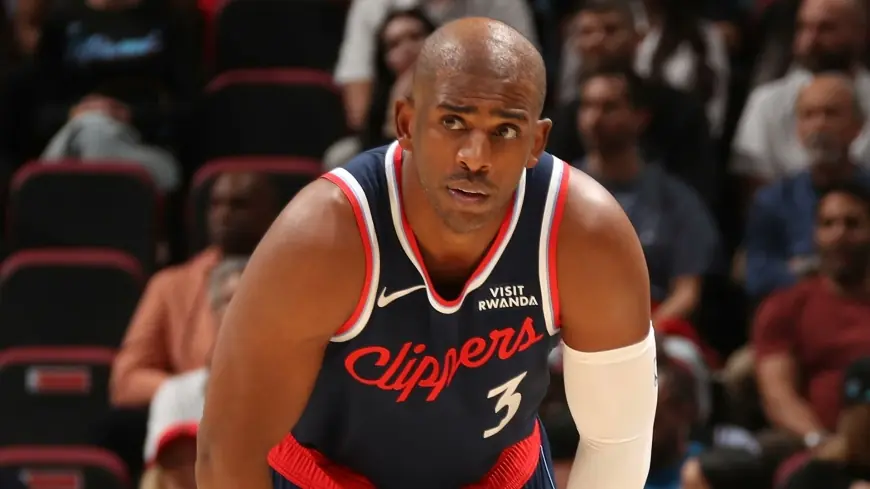
Chris Paul is officially a Toronto Raptor on paper, but the bigger story is that he may never suit up in a Raptors uniform. On February 5, 2026 ET, Toronto acquired the veteran point guard in a three-team trade that also sent wing Ochai Agbaji out of the Raptors’ rotation and into Brooklyn. The move instantly turned into two conversations at once: what the Raptors are trying to accomplish with a short-term CP3 stopover, and what comes next for Paul if a buyout follows.
For fans searching “Chris Paul Raptors,” the headline answer is simple: the trade happened. The practical answer is messier: Toronto is widely expected to move toward a buyout, making Paul a free agent and turning this into a cap-management and flexibility play more than a basketball fit.
What happened in the Chris Paul trade
The deal reshuffled three teams’ priorities in one swoop:
-
Toronto acquired Chris Paul from Los Angeles
-
Brooklyn received Ochai Agbaji, a future second-round pick from Toronto, and cash considerations
-
Los Angeles received a small asset return connected to future rights
The most telling detail is Toronto’s stance right away: Paul is not being asked to report immediately, leaving the door open for a buyout or additional maneuvering. That signals the Raptors are treating his contract as a tool, not a cornerstone.
Raptors news: why Toronto brought in CP3 if he may not play
This is a classic deadline pattern for teams that are not in a win-now lane: use a veteran contract to create flexibility, manage the tax line, or open a roster spot and future options.
Context
Toronto has been in evaluation mode, prioritizing development minutes and longer-term roster construction. In that context, an aging point guard is less valuable for on-court wins than for what his contract can unlock in the short term.
Incentives
Toronto’s incentive is control. A buyout would clear the path for young guards to keep running the offense while also creating a cleaner cap picture. It also avoids the awkward mid-season shift where a high-profile veteran demands touches and minutes on a team not built around him.
For Chris Paul, the incentive is time and relevance. If he wants one more postseason run, the fastest path is usually a buyout that lets him choose a contender rather than waiting for a second trade.
Stakeholders
-
Raptors front office: trying to maximize flexibility and optionality without sacrificing development
-
Raptors young core: benefits if minutes remain available and roles stay consistent
-
Chris Paul: wants a clear path to meaningful games and a defined role
-
Potential contenders: monitoring the buyout market for a low-cost veteran organizer
Ochai Agbaji: what Toronto gave up and what Brooklyn gets
Agbaji’s season production has been modest, but his value is archetypal: a young, low-drama wing who can defend, run the floor, and fit into structured minutes without needing the offense built around him. That kind of player matters most to teams trying to stabilize rotations while keeping payroll flexible.
For Toronto, moving Agbaji suggests they viewed his slot as more expendable than the cap flexibility gained. For Brooklyn, it’s a straightforward swing at a useful role player who can grow into a bigger job or remain a reliable plug-and-play piece.
Behind the headline: what this says about the Raptors’ direction
This trade reads like a signal that Toronto is optimizing for the offseason rather than chasing marginal regular-season wins now.
Missing pieces that matter:
-
Whether a buyout is finalized quickly or delayed for leverage
-
Whether Toronto uses the resulting roster spot to audition a young player
-
Whether any follow-on moves happen using the flexibility created by this deal
Second-order effects:
-
If Toronto buys out Paul, it strengthens the buyout market and can shift the balance for playoff teams hunting depth
-
It also reinforces a league-wide pattern where veteran contracts become financial instruments at the deadline, not long-term commitments
What happens next for CP3: realistic scenarios and triggers
-
Buyout and quick signing with a contender
Trigger: Toronto finalizes a clean buyout and Paul prioritizes a defined playoff role. -
Buyout, then a short wait to see injuries and openings
Trigger: Paul and his camp monitor roster needs and choose the best fit closer to the postseason. -
A surprise report and short stint in Toronto
Trigger: negotiations on a buyout take longer, or Toronto decides a brief veteran presence helps stabilize a young group. -
A secondary trade before any buyout
Trigger: another team values Paul’s contract structure and sees him as a mid-season rotation fix. -
Retirement planning accelerates
Trigger: if the market for a post-buyout landing spot is weaker than expected or the role is too limited.
Why it matters
Chris Paul to the Raptors is less a basketball story than a leverage story. Toronto is treating the deadline like an accounting and flexibility opportunity, while Paul’s name turns the move into a headline that draws attention far beyond the standings. Agbaji’s departure adds a real basketball cost, but the Raptors appear to be betting that the long-term freedom gained is worth more than his short-term minutes. The next decision point is the only one that truly clarifies the trade: whether Toronto finalizes a buyout, and where CP3 chooses to chase his next chapter.