























Wegovy vs Hims: A $49 “Copycat” Pill Triggers FDA Heat, Novo Legal Threats, and a Violent Swing in Hims Stock

A sudden pricing shock in weight-loss medicine is rippling through markets and regulators after Hims introduced a compounded semaglutide pill positioned as a cheaper alternative to Wegovy. The move has put Wegovy back at the center of the national affordability debate, yanked Hims stock into extreme volatility, and prompted fresh warnings from federal health officials about “illegal copycat” drugs.
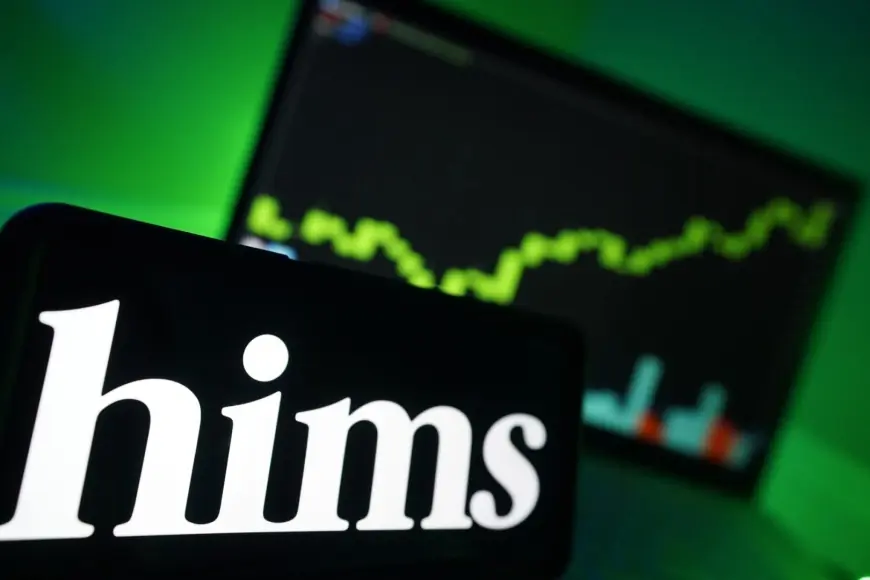
As of late February 5, 2026 ET, Hims shares were trading around $23.48 after swinging wildly intraday between roughly $20.10 and $29.44. The price action reflected investor whiplash: excitement about demand for lower-cost GLP-1s colliding with the legal and regulatory risk of competing against a branded, FDA-approved drugmaker.
What happened: a $49 compounded pill lands in the Wegovy price war
Hims announced it would sell a compounded semaglutide pill for $49 for the first month, then $99 per month under a multi-month plan. The pitch is simple: make the “Wegovy effect” accessible to people who cannot get insurance coverage, cannot tolerate injections, or do not want to pay brand-level cash prices.
The timing is not accidental. A month earlier, the manufacturer behind Wegovy began offering an oral Wegovy option for self-pay patients at sharply reduced promotional prices. Current patient offers have been marketed around $149 per month for certain oral doses through April 15, 2026 ET, with some pricing moving to $199 per month after that for a higher dose. Those offers sit far below the widely cited list price for Wegovy products, which remains dramatically higher and often out of reach without insurance or discounts.
In other words, the market is already primed: consumers want GLP-1 weight loss, insurers often limit coverage, and cash-pay pricing has become the battlefield.
Why Hims stock moved so violently
Hims is effectively trying to do what branded drugmakers cannot easily do without blowing up their pricing systems: sell a mass-market GLP-1 option at a low subscription-style price.
That creates two competing investor narratives:
Growth narrative
If Hims can capture even a small slice of unmet GLP-1 demand, the revenue opportunity is enormous. Weight-loss telehealth is sticky, recurring, and algorithmically scalable. A pill format expands the addressable market to people who avoid needles or struggle with injectable access.
Risk narrative
The product is compounded and not FDA-approved as a finished drug. That invites enforcement risk, advertising scrutiny, and potential litigation. The bigger Hims makes this business line, the more likely it becomes a priority target for regulators and branded manufacturers seeking to defend patents, safety reputations, and the integrity of the approval process.
Markets hate uncertainty most when it is binary. Either a product becomes a breakout growth engine or it gets squeezed by enforcement and lawsuits. That “all or nothing” framing helps explain the sharp intraday range.
Behind the headline: incentives and leverage in the GLP-1 power struggle
Context
GLP-1s have become a defining health-care story because demand far exceeds supply, and because coverage is inconsistent. That mismatch created a boom in telehealth prescribing, compounding, and cash-pay programs.
Incentives
Hims is incentivized to be the “price disruptor” that converts curiosity into subscription revenue. The drugmaker behind Wegovy is incentivized to prevent the market from normalizing compounded alternatives that could weaken branded pricing power and raise safety concerns that spill back onto the whole category. Regulators are incentivized to draw bright lines: FDA-approved products versus unapproved versions marketed as equivalents.
Stakeholders
Patients want affordability and access. Insurers want cost control. Employers want healthier workforces but fear runaway pharmacy spending. Telehealth companies want growth. Drugmakers want to protect intellectual property and premium pricing. Regulators want safety, truthful marketing, and compliance.
Second-order effects
If low-cost compounded pills proliferate, branded makers may respond with more aggressive cash pricing, tighter distribution controls, or faster rollouts of their own oral options. Insurers could tighten prior authorization further if they view the landscape as chaotic. And if enforcement ramps up, smaller telehealth and compounding players may exit, leaving only the largest platforms able to absorb compliance costs.
What we still don’t know
Several key questions will decide whether this becomes a brief flare-up or a lasting reset in GLP-1 pricing:
-
How quickly federal regulators move from warning language to concrete actions aimed at telehealth marketing and mass compounding
-
How far legal challenges go, and whether courts treat this as routine compounding or impermissible large-scale substitution
-
Whether real-world results match consumer expectations, especially around dosing consistency and side effects
-
Whether branded makers cut cash prices further to choke off the economics of compounded competitors
What happens next: 5 realistic scenarios with clear triggers
-
Hims keeps selling, but tightens claims and messaging
Trigger: increased regulatory attention pushes more conservative marketing without fully shutting the program down. -
A rapid legal escalation narrows availability
Trigger: injunctions, settlements, or enforcement actions constrain how broadly compounded pills can be offered. -
Branded cash pricing drops again
Trigger: drugmakers decide the fastest defense is to undercut the value proposition of compounded alternatives. -
The market segments into “approved premium” vs “cash-access alternatives”
Trigger: insurers stay restrictive and consumer demand remains high, creating parallel channels. -
Hims stock remains headline-driven and volatile
Trigger: every new regulatory statement, lawsuit filing, or pricing announcement becomes a tradeable event.
Why it matters
This is not just about Wegovy or one company’s stock chart. It is a stress test for how the United States handles blockbuster drug demand when coverage is uneven: do prices fall through branded discounts and competition, or through a gray-market ecosystem of compounded substitutes that regulators and manufacturers try to contain? The next few weeks will reveal whether Hims has found a durable growth lane or stepped into a regulatory buzz saw.