
























Lindsey Vonn Injury Update: Olympic Comeback Faces New Test After Crash and Ruptured ACL as Picabo Street Weighs In

Lindsey Vonn’s return to the Olympics has taken a sudden, dramatic turn after a crash late last month left her with a completely ruptured ACL in her left knee, along with additional knee damage. Yet as the 2026 Winter Olympics open in Italy, Vonn is insisting she will still race, turning her story into one of the Games’ most intense early spotlights: a 41-year-old icon attempting to compete in alpine speed events while managing one of skiing’s most feared injuries.
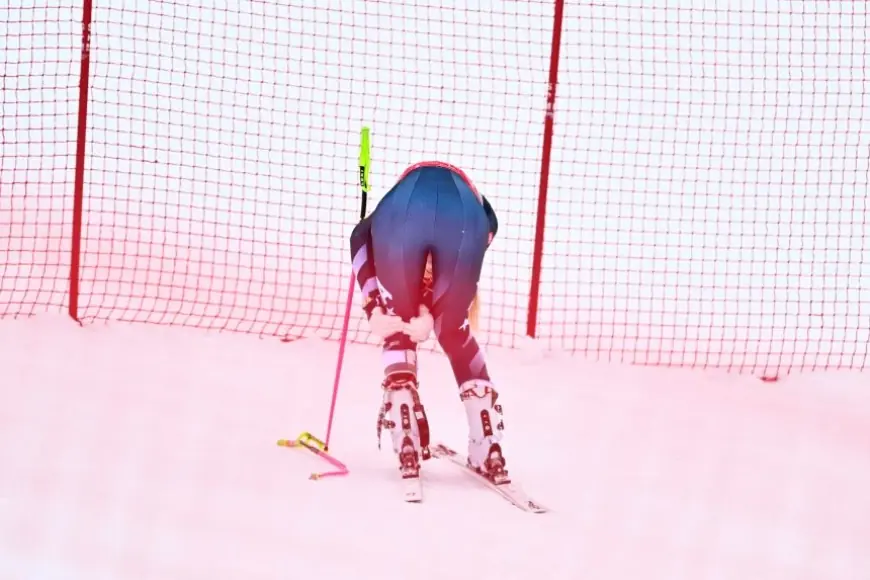
The injury occurred January 30, 2026 ET, during a downhill race in Crans-Montana, Switzerland, where Vonn crashed and was taken for evaluation. In the days that followed, she publicly confirmed the ACL rupture and described associated damage, while sharing videos of her training in a brace and emphasizing that she is not abandoning her Olympic plan.
What happened: the crash, the diagnosis, and the decision to keep racing
The core timeline is brutally tight. Vonn’s crash happened barely a week before her first scheduled Olympic start window. After medical exams, she disclosed a full ACL tear plus other knee trauma, then immediately pivoted to rehabilitation-focused training with a brace.
At the Olympics, early on-snow preparations were complicated further when a women’s downhill training run in Cortina was canceled due to heavy snowfall on February 5, 2026 ET. That cancellation has been framed both ways: as an added buffer of recovery time, and as lost course time for an athlete who needs reps to rebuild timing and confidence at speed.
Lindsey Vonn injury update: what a ruptured ACL means in alpine skiing
A ruptured ACL is typically a season-ending injury in elite alpine skiing because the sport combines high speed, hard landings, and violent edge changes that place enormous stress on the knee. Even when the joint feels “stable” in daily movement, racing introduces unpredictable forces: ruts, compressions, asymmetric landings, and last-second corrections.
Vonn’s plan appears to lean on three pillars: brace support, intensive therapy, and careful decision-making after each run. That does not make the risk disappear. It changes the risk management question from “Can she race?” to “Can she race safely enough, with enough performance, to justify starting?”
Behind the headline: why Vonn is pushing forward anyway
Context
Vonn’s comeback narrative has been building since she returned to competitive racing after stepping away from the sport, and she arrived in 2026 as one of the most watched alpine athletes at the Games. A last-minute injury doesn’t just threaten results; it threatens the entire arc of a multi-year return.
Incentives
For Vonn, the incentive is legacy and closure on her own terms. The Olympics are the sport’s biggest stage, and athletes rarely get to choose the perfect ending. For organizers and broadcasters, her presence is a magnet for attention. For sponsors, she represents a rare blend of recognition and resilience that can cut through the noise of a crowded Olympic schedule.
Stakeholders
Team officials must balance athlete autonomy with duty of care. Coaches must decide whether the start gate is a calculated risk or a step too far. Competitors are affected too: Vonn’s participation changes the competitive narrative, the camera focus, and the way pressure is distributed across the field.
Missing pieces
The biggest unknown is functional stability under race conditions, not just in training. The public does not have the full medical picture: the grade of associated injuries, how her knee responds to course impacts, and what pain management and swelling look like after high-force runs.
Second-order effects
If Vonn races and struggles, it can reshape how teams discuss comeback timelines for veteran athletes and how fans interpret “playing through it” narratives. If she races and succeeds, it will intensify a long-running debate in elite sport about risk tolerance, medical clearance, and the power of personal determination to override standard protocols.
Picabo Street’s role: a veteran voice on the mind game of getting back in the gate
Picabo Street, the Olympic champion known for her own high-speed crash history, has been pulled back into the conversation as a reference point for the psychological task in front of Vonn. Street has described the challenge as mental compartmentalization: managing fear, filtering noise, and choosing what thoughts get allowed in before a start.
That perspective matters because Vonn’s biggest hurdle may be less about toughness and more about precision. Speed skiing punishes hesitation. A fraction of doubt at the wrong moment can be as dangerous as a mechanical limitation.
What happens next: five realistic scenarios and the triggers to watch
-
Vonn starts, then reassesses event by event
Trigger: she completes training runs without major swelling or instability and feels competitive enough to continue. -
Vonn races one event, then shuts it down
Trigger: post-run symptoms spike, or she feels she cannot ski at the necessary intensity safely. -
She withdraws before her first start
Trigger: medical feedback, swelling, or functional tests suggest unacceptable risk at race speed. -
She competes but manages expectations and tactics
Trigger: she chooses a conservative line and prioritizes clean completion over maximum aggression. -
A changing weather and training schedule reshapes the entire field
Trigger: cancellations or compressed training windows increase variability and reduce preparation time for everyone, not only Vonn.
Why it matters
Lindsey Vonn’s injury update is not only about one athlete’s pain tolerance. It is about the collision of modern Olympic spectacle with the realities of knee trauma, the thin margins of alpine speed, and the psychological burden of returning after a crash. Whether she races or withdraws, the story will influence how the sport talks about longevity, medical risk, and what a comeback is supposed to look like when the calendar offers no room for recovery.