
























Deadline Looms for 860,000 Taxi Drivers, Sole Traders to Go Digital in April

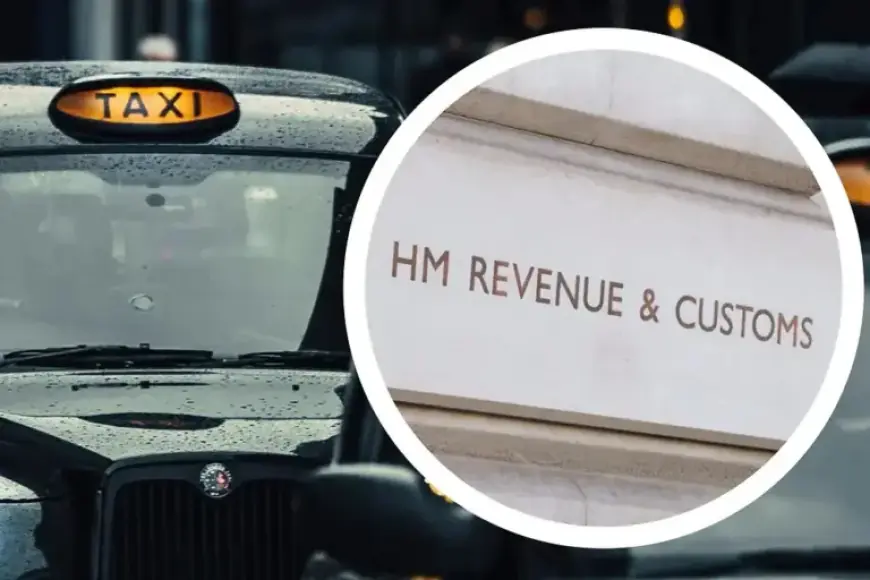
As of April 6, 2026, over 860,000 taxi drivers, private hire operators, sole traders, and landlords earning more than £50,000 annually must comply with new digital tax reporting regulations. This shift is part of the government’s ongoing initiative called Making Tax Digital for Income Tax.
Digital Tax Reporting Requirements
Under these regulations, impacted individuals will be obligated to maintain digital records and send quarterly summaries of their income and expenses to HM Revenue and Customs (HMRC) using approved software. The first quarterly report is due by August 7, 2026, covering the period from April to July.
HMRC clarifies that quarterly submissions are not additional tax returns. Instead, these are “light-touch” updates meant to ease reporting throughout the year. Although these submissions will streamline data collection, taxpayers will still need to file a traditional Self Assessment return by January 31, 2027, for the 2025 to 2026 tax year.
Phased Implementation Timeline
- April 2026: New digital reporting begins for eligible taxpayers.
- August 2026: First quarterly updates due.
- January 2027: Standard Self Assessment returns to be filed for the previous tax year.
- January 2028: First Self Assessment return under the new digital system due.
Preparation and Compliance
HMRC encourages affected taxpayers to start preparing now, reminding them that there are less than two months left before the new rules take effect. Over 12,000 quarterly updates have already been successfully submitted as part of a voluntary testing program.
Officials assure that free software options are accessible for those with simple tax situations. Notably, individuals entering the Making Tax Digital system in April 2026 will not incur penalty points for late submissions during their first year.
Future Provisions
Penalties will apply after the initial 12 months. A £200 fine will only follow once four penalty points are accumulated. Additionally, exemptions exist for those unable to adopt digital tools, but taxpayers must meet strict criteria to qualify.
Additional Support and Resources
Guidance, webinars, and sign-up information are accessible via GOV.UK. Taxpayers working with accountants or tax agents are encouraged to consult with them regarding readiness. The rollout will continue over the following years, with the income threshold decreasing to £30,000 in April 2027 and £20,000 in April 2028.
Conclusion
Craig Ogilvie, HMRC’s Director of Making Tax Digital, emphasizes the importance of acting promptly. He notes, “This system will make it easier for sole traders and landlords to manage their tax responsibilities, ultimately ensuring tax accuracy.” Eligible taxpayers should start their preparations today to avoid last-minute complications in their tax reporting.