























Watchdog Reveals Whistleblower Complaint on Classified Intel Sharing, Potential Crime

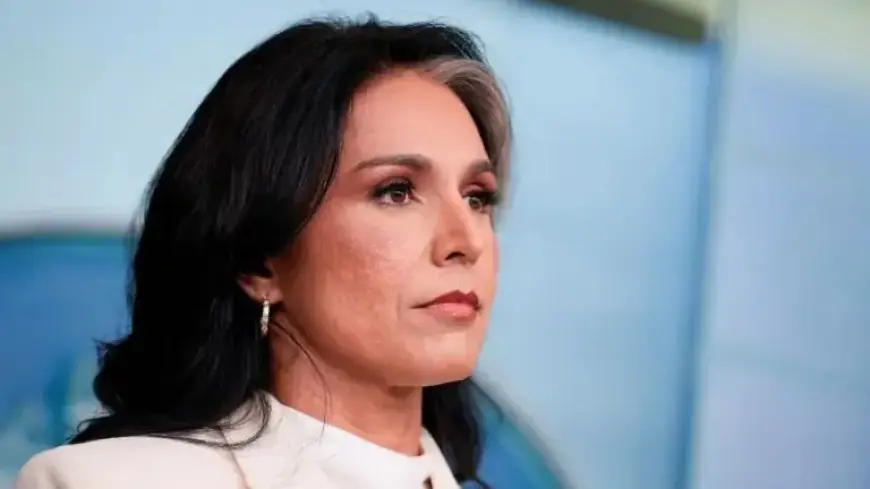
A whistleblower complaint from within the U.S. intelligence community has become the focus of scrutiny by lawmakers. The complaint alleges that the distribution of a highly classified intelligence report was restricted for political reasons. Additionally, it claims that an intelligence agency lawyer failed to report a potential crime to the Justice Department.
Details of the Whistleblower Complaint
This complaint was submitted in May 2025 and involves serious accusations regarding the Director of National Intelligence, Tulsi Gabbard. The details were outlined in a letter from the Intelligence Community Inspector General (ICIG) Christopher Fox to the House and Senate Intelligence Committees.
Key Claims
- The classified intelligence report is noted as the most sensitive to date received by the ICIG.
- The report was only intended for a small group known as the “Gang of 8,” which includes top leaders from both political parties.
- The whistleblower’s initial claim regarding political motives for withholding the report was found lacking credibility.
- The second claim regarding the failure to report a crime remains under review.
Timeline of Events
In June 2025, the whistleblower’s complaints prompted Tamara Johnson, Fox’s predecessor, to evaluate the allegations. While she deemed the first claim to lack credibility, the second allegation raised concerns that warranted further investigation.
The whistleblower opted to directly approach congressional intelligence committees, a move that is legally protected. However, obtaining security guidance from the Office of the Director of National Intelligence (ODNI) to share the intelligence complaint securely introduced delays.
Continuing Challenges
Christopher Fox, upon taking office in October 2025, highlighted complexities in classifying the complaint as a source of these delays. During a meeting in December, Gabbard acknowledged the issue and committed to providing the necessary guidance promptly.
The whistleblower’s attorney, Andrew Bakaj, expressed concerns that executive privilege issues could indicate the White House’s involvement. He noted that guidance on sharing the complaint with broader intelligence committees had not yet been received.
Conclusion
As this situation unfolds, Rep. Jim Himes, the top Democrat on the House Intelligence Committee, voiced his ongoing concerns about both the content of the complaint and the delay in reporting it to Congress. He emphasized the need for rigorous oversight and investigation into the allegations raised by the whistleblower.