























Milano Cortina 2026 Winter Olympics: opening ceremony time, start date, schedule, and viewing options

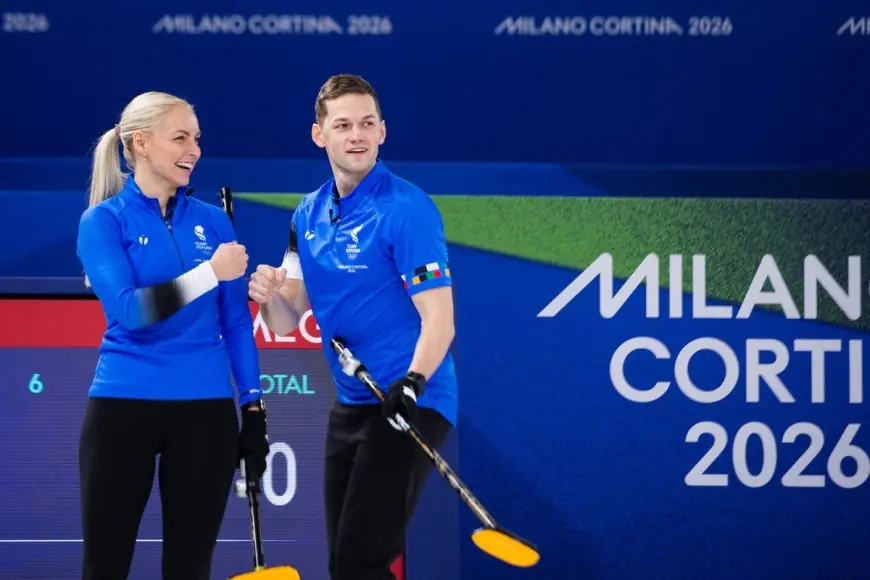
The 2026 Winter Olympics in Italy are about to begin in full, with competition already underway in select sports and the opening ceremony set for Friday, Feb. 6, 2026. With events spread across multiple northern Italian venues—from Milan’s indoor arenas to mountain sites near Cortina—many viewers are looking for one reliable checklist: when it starts, what time the opening ceremony begins in Eastern Time, where to find the official schedule and results, and how to watch (including in Canada).
When do the 2026 Winter Olympics start?
The official Games run Feb. 6–22, 2026 (ET), but some competitions start earlier. A handful of events begin Wednesday, Feb. 4, 2026 (ET) as part of the pre-ceremony schedule, which is common for tournaments that need multiple round-robin sessions before medal rounds.
Here are the key timing anchors in Eastern Time:
| What you’re looking for | Date | Time (ET) |
|---|---|---|
| First competitions begin (select sports) | Wed, Feb. 4, 2026 | Times vary |
| Opening ceremony | Fri, Feb. 6, 2026 | 2:00 p.m. |
| Opening ceremony primetime replay | Fri, Feb. 6, 2026 | 8:00 p.m. |
| Closing ceremony | Sun, Feb. 22, 2026 | Time varies |
Opening ceremony Olympics 2026 time: what to expect
The opening ceremony begins at 2:00 p.m. ET on Friday, Feb. 6, 2026, staged at San Siro in Milan. That start time lines up with 8:00 p.m. local time in Italy, which is why it lands in the afternoon for North American viewers.
If you’re trying to keep spoilers under control, the most practical approach is to watch live at 2:00 p.m. ET. Many broadcasters also plan an enhanced primetime replay at 8:00 p.m. ET, which often adds commentary, tighter pacing, and curated storytelling—but it can also increase the chance you’ll see highlights before you watch.
Where to find the Olympic schedule and results
For winter olympics schedule and results that stay current as sessions move (and as weather or logistics cause shifts), the safest place is the official schedule hub for Milano Cortina 2026. It offers:
-
Daily overview by sport and session
-
Start lists and live results
-
Venue-by-venue breakdowns
-
Time-zone display tools (helpful if you want everything locked to ET)
If you want something more “downloadable,” there’s also a session-by-session PDF schedule that shows blocks of competition times across sports. It’s useful for planning, but remember: live schedules can move, so the official live results page is the best “truth” during the Games.
Where to watch Winter Olympics (and in Canada)
Viewing is split by country because media rights differ by region.
In the United States, the rights-holder will air coverage across its main broadcast channel, cable sports networks, and its streaming service, with the opening ceremony available live and again in primetime.
In Canada, the Games are carried by the country’s Olympic broadcast partners, including television coverage and full-event streaming that typically includes live and on-demand access. If you’re asking “where to watch olympics in canada” or “how to watch the olympics in canada,” the simplest plan is:
-
Use the Canadian Olympic coverage destination on TV for marquee sessions
-
Use the Canadian streaming option for full-session coverage, multiple feeds, and replays
Because events span many venues and time slots, streaming is often the easiest way to follow specific sports without bouncing between channels.
Why Milano Cortina’s schedule feels different this year
These Games are unusually geographically spread out, which can affect start times and viewing habits. You’ll see:
-
Morning ET sessions that align with afternoon/evening in Italy
-
Early ET starts for some alpine and sliding events
-
More frequent situations where multiple sports overlap in a way that makes a single “TV window” less satisfying than picking a dedicated feed
If you’re tracking a specific sport (like hockey, figure skating, alpine skiing, or snowboarding), it’s worth bookmarking that sport’s schedule page and using notifications so you don’t miss heat formats, qualification rounds, or medal-session timing changes.
Sources consulted: Olympics.com, NBC Olympics, CBC/Radio-Canada, International Olympic Committee