




















Amazon Stock Dips Post-Closing on $200B Capex Plan and Profit Concerns

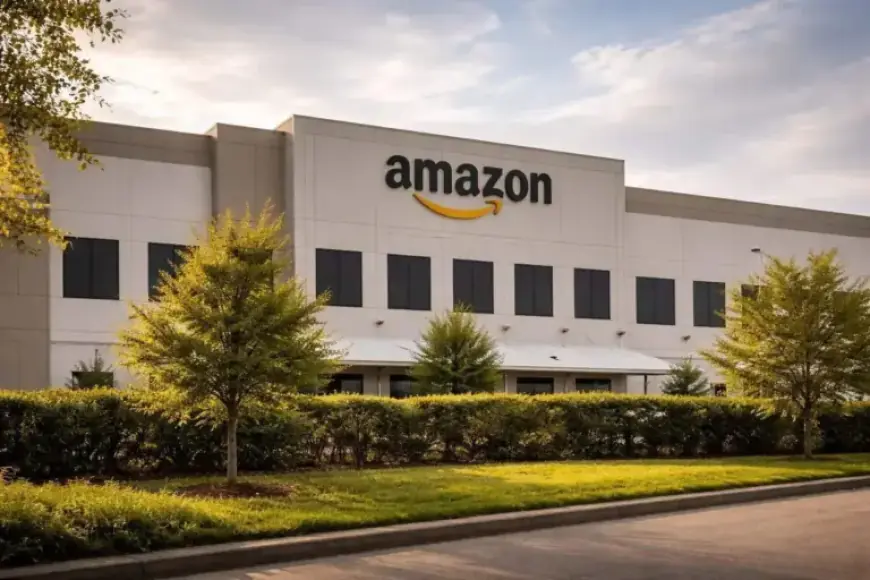
Amazon’s stock experienced a significant downturn following the company’s announcement of a substantial capital expenditure plan for 2026 and a disappointing profit outlook. The share price dropped nearly 8% in after-hours trading on February 5, 2026.
Stock Performance and Investor Concerns
The decline followed after a regular trading session in which Amazon shares fell approximately 5%. The underlying cause for this drop relates to a wider slump in technology shares amid growing apprehensions about artificial intelligence (AI) investment returns. Wall Street faced challenges, particularly with major tech firms leading the decline.
Capital Expenditure Plans
- Amazon disclosed plans for about $200 billion in capital expenditures for 2026.
- The company forecasted first-quarter operating income that did not meet Wall Street expectations.
- Shares closed at $221.55, down 4.9% from the previous day.
This capital expenditure, or capex, is crucial as it affects the company’s cash flow and growth trajectory, especially regarding Amazon Web Services (AWS). AWS is seen as Amazon’s primary profit driver, and substantial investment in infrastructure is expected to influence its performance.
Financial Performance Insights
In its fourth quarter, Amazon reported a 14% increase in net sales, totaling $213.4 billion. AWS experienced a notable revenue surge of 24%, reaching $35.6 billion. Meanwhile, operating income rose to $25 billion, but the company faced various special charges that impacted its overall profits.
- Net income stood at $21.2 billion, translating to $1.95 per share.
- Future projections for the first quarter include net sales between $173.5 billion and $178.5 billion.
- Operating income is expected to be in the range of $16.5 billion to $21.5 billion.
Market Implications
Traders are closely monitoring Amazon’s capital expenditures as high spending can exert pressure on free cash flow. This financial strategy positions Amazon in direct competition with rivals like Microsoft and Alphabet, each also increasing investments in AI infrastructure.
Ongoing Retail Ventures
Despite these concerns, Amazon continues to expand its retail operations. Recently, it unveiled a new mega-store focused on groceries in the Chicago area, aiming to compete with giants like Walmart and Costco.
Future Risks and Expectations
Amazon faces potential risks including high expenses associated with its “Amazon Leo” initiative and increasing competition in quick-commerce. These factors could constrain profit margins, even with steady sales growth. Additionally, inconsistent AI demand might compel Amazon to continue investing heavily without immediate revenue returns.
Attention is now focused on the upcoming earnings call scheduled for 5 p.m. ET, where investors hope to gain insights into AWS demand and the broader implications of the 2026 capital spending strategy.