























AI Surge Dampens Star Talent Fees

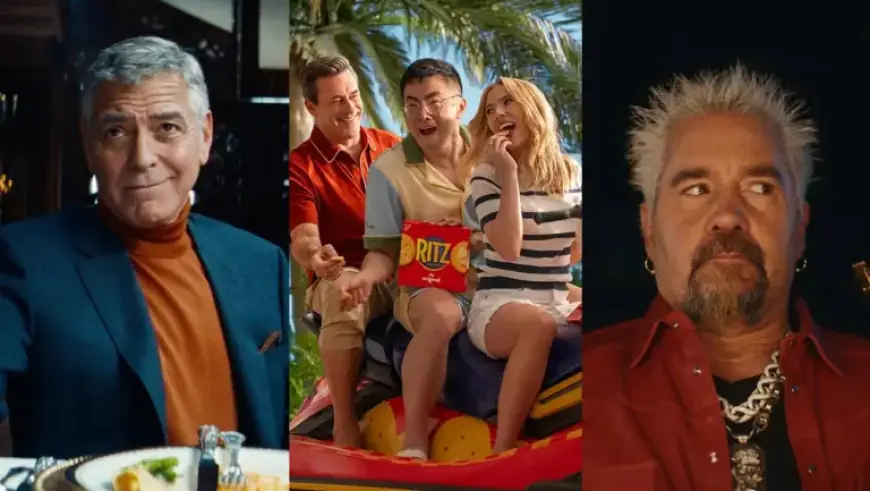
This year’s Super Bowl promises to feature a diverse array of high-profile commercials, but the rising costs are forcing advertisers to reconsider their spending strategies. The price for a 30-second slot on NBC has soared to over $10 million for late buyers, while many are paying around $8 million. This situation is influencing talent fees, as brands look for ways to optimize their marketing budgets in a tightening ad market.
Impact of AI on Talent Fees and Advertisements
According to industry sources, brands are adjusting their approach to talent compensation for Super Bowl commercials. With the total cost of ad spots now ranging from $12 million to over $20 million—including media buy fees—advertisers are becoming more selective. Tim Curtis, a senior partner at WME, noted that the days of exorbitant paydays for celebrities are dwindling. A+ talent now typically commands fees between $3 million and $5 million.
Brands are increasingly opting for ensemble casts, allowing them to feature a mix of influencers and established stars while keeping costs manageable. This trend enables brands to engage with various demographics, incorporating athletes, TikTok personalities, and veteran actors into their advertisements. Carol Goll, managing partner at Range Media Partners, emphasized the importance of appealing to different audiences.
Celebrity Appearances and Nostalgia
- Expect to see celebrities like George Clooney, Scarlett Johansson, and Charli XCX.
- The ads aim to evoke nostalgia, celebrating significant anniversaries and events.
- A shift toward humor, with about 70% of commercials using comedic elements.
As the Super Bowl advertisements evolve, many will likely showcase a blend of traditional celebrity appearances and innovative new influencers. The desire for brands to create memorable moments remains, highlighting the importance of storytelling and emotional connection in advertising.
The Role of AI in Advertisements
This year also marks a notable rise in AI-related ads. Companies are leveraging artificial intelligence to generate creative content and optimize their campaigns. However, some brands are publicly confronting each other over their use of AI, with notable examples including a feud between OpenAI and Anthropic.
Experts predict a significant presence of AI-generated and AI-themed ads, but the human element remains vital for creating engaging content. Kerry Benson from Kantar has pointed out that while AI can assist in ad production, it cannot replace the nuances of humor and storytelling that come from human creativity.
Conclusion
The Super Bowl advertising landscape is becoming increasingly complex. Although rising costs and budget constraints might affect talent fees, the allure of the Big Game continues. Advertisers are adapting by embracing ensemble casts and integrating new marketing strategies, ensuring they leave a lasting impression during the most-watched event in American advertising.
Despite the challenges, the Super Bowl remains unparalleled as a marketing opportunity. The combination of massive viewership and the potential for virality makes advertising during this event a valuable investment for brands. Chris Hart from UTA emphasized that the Super Bowl guarantees a unique opportunity to capture the attention of over 100 million viewers in one night.