























NBA trades: deadline-day deals reshape contenders and rebuilds across the league

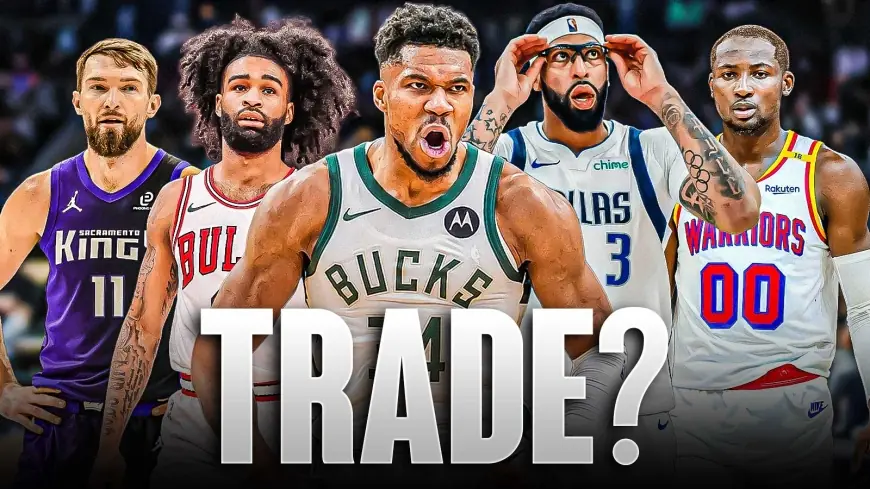
The NBA’s trade market hit full speed Thursday, with teams making late roster swings before the league’s 3:00 p.m. ET trade deadline on Feb. 5, 2026. The biggest theme has been a willingness to move star-level names for a mix of salary flexibility and future picks, while several bubble teams focused on guard depth and short-term rotation help.
Deadline-day backdrop: why so many moves now
This year’s market has been defined by two pressures at once: a crowded middle class in both conferences and a tight financial environment that makes long-term payroll planning harder. Teams near the play-in line are shopping for immediate lineup upgrades, while teams in transition have prioritized picks and contracts that get cleaner over the next two seasons.
The compressed schedule ahead—plus the All-Star break in Los Angeles from Feb. 13–15 (ET)—also makes this week a natural pivot point. Coaches want clarity on rotations, and front offices want new additions in place for the stretch run.
The headline trades that set the tone
The most eye-catching move was Anthony Davis heading to Washington in a multi-player, pick-heavy deal that reorders two franchises’ timelines. Dallas took back veteran salary and a bundle of draft assets, while Washington added a marquee frontcourt star to a group that already made a major guard change earlier in the season.
Another blockbuster centered on James Harden going from Cleveland to the Clippers in exchange for Darius Garland, a swap that signals a style shift for both teams: Los Angeles getting a younger lead guard, and Cleveland leaning into a veteran creator for the playoff push.
Here are the key deals driving the deadline conversation:
| Major NBA trades (Feb. 3–5, 2026) | What changed |
|---|---|
| Mavericks → Wizards: Anthony Davis (plus other players) | Washington adds a top-end star; Dallas leans into picks and flexibility |
| Cavaliers ↔ Clippers: James Harden for Darius Garland | Cleveland goes win-now; Clippers get a younger primary guard |
| Warriors → Hawks: Kristaps Porzingis; Hawks → Warriors: Jonathan Kuminga, Buddy Hield | Golden State upgrades size/spacing; Atlanta adds youth and shooting |
| Bulls → Celtics: Nikola Vucevic; Celtics → Bulls: Anfernee Simons (plus pick value) | Boston adds frontcourt skill; Chicago retools around a guard scorer |
| Grizzlies ↔ Jazz: Jaren Jackson Jr. moved to Utah in a multi-piece deal | Utah lands an impact two-way big; Memphis reloads with picks/players |
| Magic → Hornets: Tyus Jones (plus picks) | Charlotte deepens the backcourt; Orlando trims salary and adds flexibility |
What contenders are trying to fix
For teams with real playoff expectations, the logic has been straightforward: add creation, add size, or reduce the nights where the offense stalls. The Porzingis-to-Golden State move fits that template—bigger lineups, more shooting gravity, and another half-court option when games tighten.
Boston’s Vucevic add reads as a “floor-raising” move for certain matchups: a skilled big who can score and pass in ways that change how defenses load up against perimeter stars. Cleveland’s Harden swing is the purest “ceiling bet” of the week—more shot-making and playmaking, with the risk that chemistry and defensive fit have to come together fast.
Rebuilders and bubble teams chase optionality
Washington’s Davis move is the outlier because it’s a rebuilding roster adding a superstar-caliber player with a significant contract. The bet appears to be that star power can accelerate relevance and stabilize a long-term core—if health cooperates and the roster around him develops quickly.
Charlotte has been among the most active on the guard market, adding multiple backcourt pieces in quick succession. That suggests the Hornets view the second half of the season as a real opportunity to climb, even if the moves are also about building a deeper rotation for the next two seasons.
Meanwhile, several teams have treated cap space like an asset, absorbing contracts to pick up draft capital or making small swaps to clear future books.
What to watch after the buzzer
The next few days will be about practicality: physicals, paperwork, and how quickly coaches trust new players in meaningful minutes. Three pressure points will decide which deadline winners actually gain ground:
-
How fast new ball-handlers fit into existing systems and late-game pecking orders
-
Whether frontcourt adds translate into defensive improvement or just more scoring options
-
The buyout market, which can still deliver rotation players to contenders after the deadline
By the time games resume into mid-February, the standings will start to show which trades were true difference-makers—and which were simply insurance for a volatile playoff race.
Sources consulted: NBA.com, Reuters, ESPN, CBS Sports