
























Washington Post Cuts Entire Ukraine, Middle East Bureaus in Layoffs

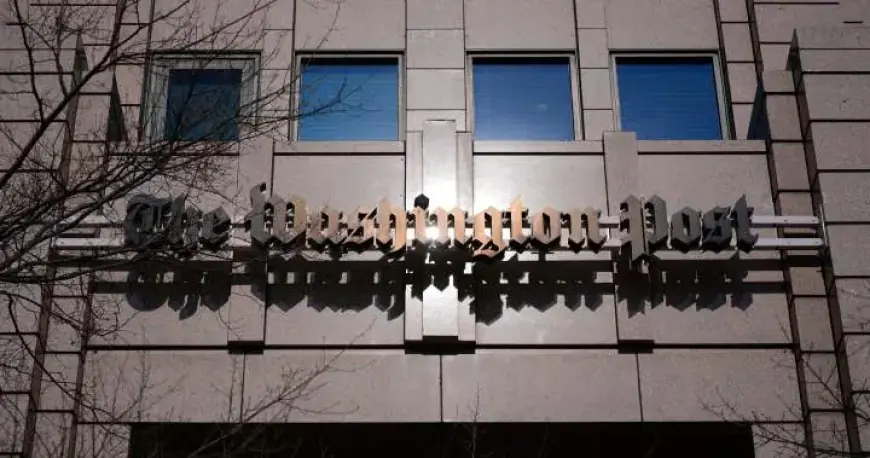
The Washington Post has recently undergone significant layoffs, affecting roughly one-third of its workforce. This decision has resulted in the closure of entire sections, most notably the sports segment, as well as the elimination of several foreign bureaus and book coverage. The move has been described as a critical adjustment necessary for the newspaper’s survival in a changing media landscape.
Details of the Layoff Announcement
On a Wednesday, the paper’s executive editor, Matt Murray, communicated these changes during a companywide online meeting. Employees immediately followed up with emails indicating whether their positions had been retained or eliminated. Murray emphasized the importance of these measures, stating that the organization cannot maintain its previous breadth.
Margaret Sullivan, a journalism professor at Columbia University and former media columnist, expressed deep concern over the implications of the cuts, referring to them as devastating for journalism in America and globally. Martin Baron, a former editor at The Washington Post, criticized the decisions made by billionaire owner Jeff Bezos, calling the situation a case of self-inflicted brand destruction.
Consequences for Foreign Coverage
The layoffs also included all correspondents and editors from the Middle East bureau, as confirmed by Cairo Bureau Chief Claire Parker via social media. In addition, journalists from the Ukraine bureau have also been reported as laid off, showcasing the significant shrinking of the newspaper’s foreign reporting capabilities.
Subscriber Dynamics and Financial Context
The Washington Post has not disclosed specific figures on its current staff or exact number of subscribers, but estimates suggest it has around 2 million. The publication’s financial struggles contrast sharply with its main competitor, The New York Times, which has seen substantial growth through diversifying its product offerings.
Historical Context and Criticism
The Washington Post has a storied history, with a reputation built through monumental coverage like the Watergate scandal. However, critics argue that moves to alter the editorial direction under Bezos’ ownership have led to significant reader losses. Baron highlighted the disconnect between editorial decisions and reader expectations, tying these changes to the diminishing appeal of the publication.
Further Implications for Journalism
This widespread restructuring at The Washington Post comes at a time when journalism faces numerous challenges. The layoffs have ignited discussions about the role and future of media organizations as they navigate technological shifts and changing audience behaviors. Experts warn that if current strategies persist without reconsideration, the paper risks further decline.
Similar Trends in Other Publications
The impact of economic pressures on journalism is not limited to The Washington Post. The Atlanta Journal-Constitution also announced substantial cuts, eliminating approximately 15% of its staff in an effort to adapt to the current media environment.
Looking Ahead
Moving forward, The Washington Post aims to refocus its efforts on areas that demonstrate authority and resonate with its audience, such as politics and national affairs. Nevertheless, the ability to adapt successfully remains in question, as the organization seeks to redefine its relevance in the evolving landscape of news consumption.