
























Jessica Tarlov Criticizes Jesse Watters’ Provocative Questions

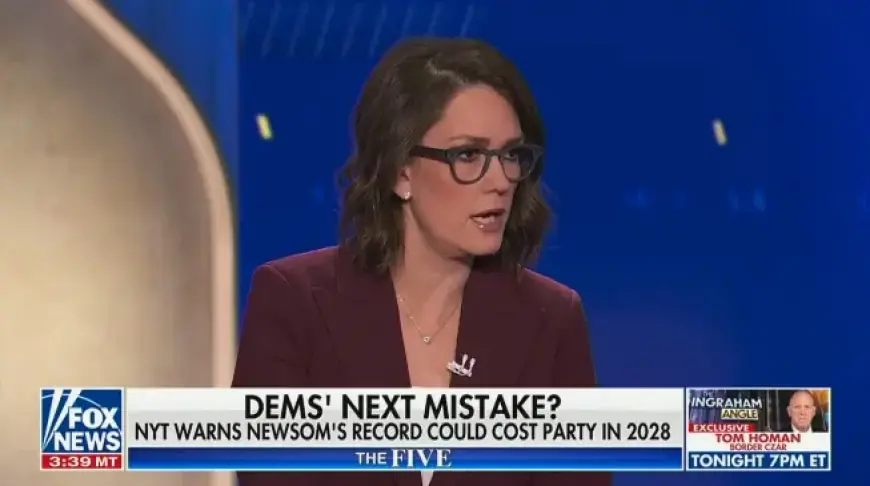
On a recent episode of The Five, discussions took a provocative turn as Jessica Tarlov confronted Jesse Watters over questions related to California Governor Gavin Newsom’s presidential prospects. Tarlov expressed concerns about how opponents might utilize California’s challenges to undermine Newsom in the political arena.
Jessica Tarlov Critiques Jesse Watters’ Provocative Questions
Tarlov emphasized that adversaries could leverage California’s difficulties as criticism against Newsom. She pointed out, “There’s push and pull, but this is what the debate is going to be.” Tarlov referenced a previous debate between Newsom and Florida Governor Ron DeSantis, highlighting the ongoing California versus Florida narrative.
California’s Image in the Political Landscape
- Tarlov acknowledged the state’s challenges, mentioning issues like sanitation in San Francisco.
- She believes that facing these obstacles will be challenging for Newsom in a Democratic primary.
- Despite this, she noted that Democrats are currently looking for a strong leader ready to fight for their ideals.
Discussion Dynamics
Watters’ inquiry turned personal as he questioned whether Newsom’s identity as a straight white man would affect his chances in the 2028 election. Tarlov responded playfully, stating, “I married one,” which drew laughter from co-host Greg Gutfeld. The banter continued as Watters humorously probed into personal details, including Tarlov’s husband’s religious background.
Throughout the exchange, Tarlov maintained a light-hearted tone, asserting that all religions should be respected. This exchange ultimately showcased the sometimes unpredictable nature of discussions on political platforms.
Conclusion
The segment underscored the complexities of political identity and regional representation as Newsom prepares for a challenging electoral landscape. Jessica Tarlov’s criticisms of Jesse Watters’ questions illuminated the broader implications of identity politics in future elections.