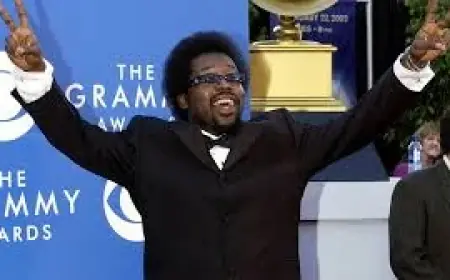

























Shaboozey Responds to Backlash on Grammys ‘Immigrants Built This Country’ Speech

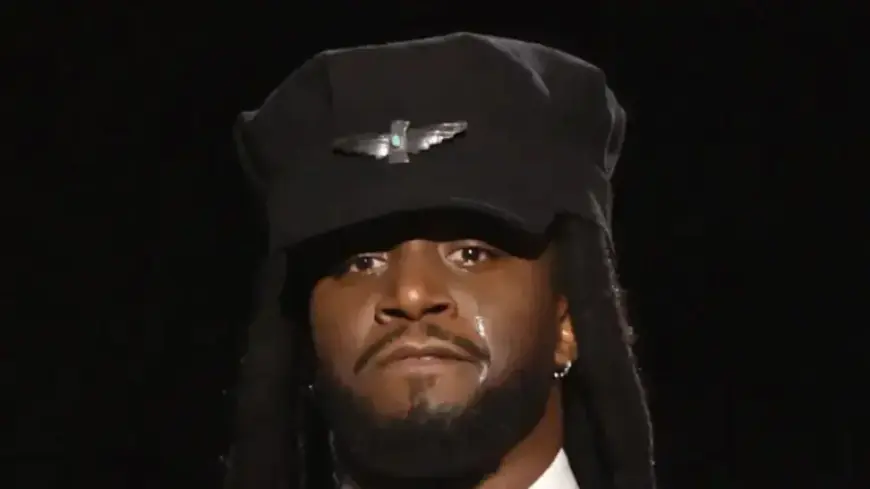
Shaboozey, the Nigerian-American rapper and country artist, recently faced backlash following his acceptance speech at the Grammys. His remarks centered on the contributions of immigrants to America, which drew criticism for seemingly overlooking the historical significance of enslaved Africans and their descendants.
Shaboozey’s Grammy Win and Speech
After winning his first Grammy for the song “Amen,” featuring Jelly Roll, Shaboozey dedicated his award to “children of immigrants.” He highlighted the sacrifices made by his parents, who emigrated to the U.S. for better opportunities, emphasizing a narrative of hope and resilience.
Response to Backlash
In a follow-up message posted on Tuesday, Shaboozey acknowledged the concerns raised about his speech. He clarified that his intention was never to dismiss the contributions of Black Americans in shaping the country.
- Shaboozey stated, “To be clear, I know and believe that we — Black people, have also built this country.”
- He recognized that his Grammy win marked a significant occasion, falling on the first day of Black History Month.
- Shaboozey pointed out that his achievement builds on the foundational work of previous generations of Black individuals.
Shaboozey’s speech and subsequent clarification emphasize his desire to honor both his heritage as a Black man and his immigrant background. He described his Grammy win as a moment that belongs to all communities working towards equality and recognition.
Criticism from Prominent Figures
The backlash to Shaboozey’s speech was notable, with Bernice King, the daughter of Martin Luther King Jr., voicing her concerns on social media. She emphasized the necessity of including the voices and histories of enslaved individuals in discussions about America’s development.
- King’s message highlighted the historical trauma endured by enslaved Africans and their descendants.
- She argued that their contributions should not be reduced to the category of immigrants, emphasizing the nature of their arrival in America.
A Call for Understanding
Bernice King closed her remarks by advocating for a truthful dialogue about history. She stressed that understanding past injustices is essential for achieving justice for all people today. Shaboozey’s situation underscores the ongoing conversation about representation and recognition within the narrative of America’s history.
As discussions continue, it is apparent that both Shaboozey and critics like King are calling for a nuanced understanding of America’s diverse history, particularly regarding the contributions of various groups, including immigrants and those impacted by slavery.