
























Prevent Future Tragedies with This Supported Housing Model for the Homeless

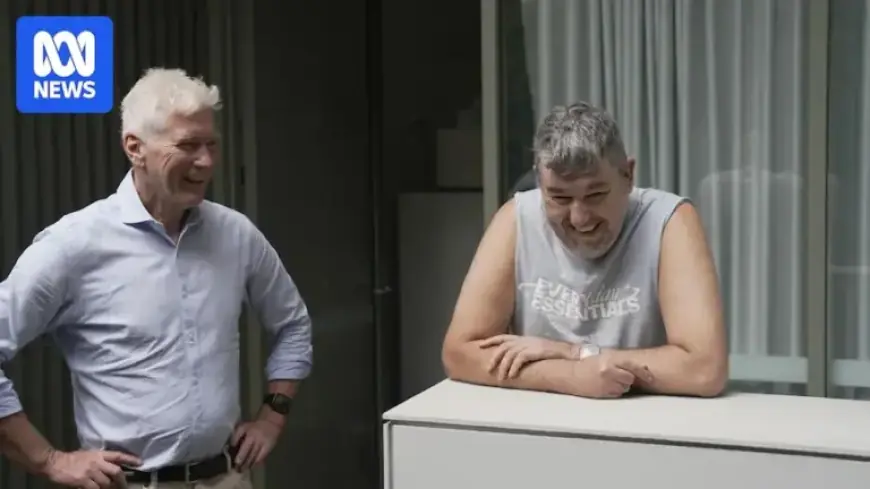
In Sydney’s inner west, a supported housing model known as Habilis aims to alleviate homelessness among individuals with mental health issues. Habilis is a low-rise building housing 18 residents, providing them access to vital mental health support services. This includes a nurse and a psychiatrist, along with an overnight caretaker available for assistance.
Recommendations for Long-Term Accommodation
Following the Bondi Junction inquest, NSW Coroner Magistrate Teresa O’Sullivan advocated for enhanced government support for long-term accommodation for those affected by mental health issues and homelessness. She highlighted the potential of models like Habilis in New South Wales and Haven in Victoria as effective solutions.
Professor Olav Nielssen, the founder of Habilis, emphasized the cost-effectiveness of such housing solutions. He argued that investing in supported housing is far less expensive than neglecting the homeless population, which often leads to increased costs in healthcare, criminal justice, and sanitation services.
The Cost of Neglecting the Homeless
Neglecting homeless individuals incurs high societal costs. Professor Nielssen estimated that around 3,000 people sleep rough in New South Wales each night, with one-third suffering from severe mental illnesses. He stated that providing around 1,000 beds—similar to Habilis—could significantly address this issue.
- Approximately 3,000 people are homeless in NSW nightly.
- One-third of these individuals experience severe mental illness.
- Need for 1,000 supported housing beds is crucial.
Real-Life Impact of Supported Housing
One resident, David Maddox, who has a diagnosis of chronic schizophrenia, shared how living at Habilis has positively impacted his mental health management. Previously, while living in public housing, he struggled to maintain medication, leading to legal trouble. Now, under the supportive environment of Habilis, he adheres to his treatment plan, taking the anti-psychotic medication Clozapine.
Emergency Response Improvements
The inquest not only focused on long-term housing solutions but also analyzed the emergency response during the tragic attack on April 13, 2024, when Joel Cauchi stabbed 16 people at Westfield Bondi Junction, resulting in six fatalities. The coroner praised the rapid response of emergency services but noted significant communication issues that hindered the efficiency of their efforts.
The Need for Better Triage Systems
O’Sullivan recommended all emergency services adopt the “Ten Second Triage” screening tool to improve incident responses. This system, developed by UK emergency specialist Dr. Philip Cowburn, allows first responders to prioritize patients effectively. It ensures each patient is tagged and their urgency is clearly communicated, which could prevent the confusion experienced during the Bondi Junction incident.
The tragic events underlined the critical need for both long-term housing models for the homeless and effective communication during emergencies. Addressing these challenges could reduce future tragedies and provide better outcomes for vulnerable populations.