

























Trump’s Appointee May Ignite Financial Meltdown

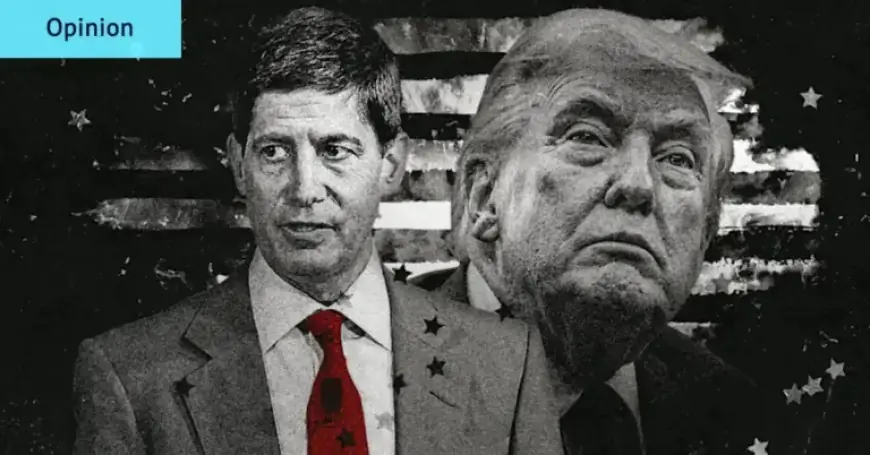
Donald Trump’s nomination of Kevin Warsh to chair the US Federal Reserve Board brings a controversial agenda. Warsh intends to significantly reduce the Fed’s balance sheet, a move he believes will stimulate economic growth and lower inflation. His perspective is rooted in the notion that the current balance sheet expansion, primarily through quantitative easing (QE), has inflated the financial system without adequately benefiting the real economy.
Warsh’s Background and Views
Kevin Warsh served on the Federal Reserve Board during its initial QE program after the 2008 financial crisis. Since departing from the board in 2011, he has criticized QE, arguing that it encourages excessive government spending. As of now, the US government’s debt stands at a staggering $38 trillion, raising questions about the sustainability of economic policies.
Impact of Quantitative Easing
Since 2008, the Federal Reserve’s balance sheet ballooned from approximately $900 billion to nearly $9 trillion due to ongoing QE measures. In mid-2022, the Fed initiated quantitative tightening (QT), allowing bonds to mature without reinvestment, which reduced the balance sheet to about $6.6 trillion as of December 2022. Despite QT concluding, the Fed continues to purchase Treasury bills at a rate of $40 billion monthly, effectively maintaining a form of QE.
Risks of Reducing the Balance Sheet
While Warsh advocates for a smaller balance sheet in hopes of diminishing the Fed’s influence in financial markets, concerns about potential volatility arise. Economic stability could be tested if the Fed reduces interventions that helped avert financial crises.
- Current US debt: $38 trillion
- Fed’s balance sheet pre-pandemic: ~$4 trillion
- Fed’s balance sheet post-pandemic: ~ $9 trillion
- Current balance sheet size: ~$6.6 trillion post-QT
The Fallout from Policy Changes
Warsh’s strategy could risk depopulating liquidity in financial institutions, which may lead to market fluctuations. Historical events, like the disruptions in the repo market in 2019, underscore how thin the margin is between adequate reserves and a liquidity crisis. The sharp spike in borrowing costs during that episode demonstrated the fragility of the financial system.
The consequences of Warsh’s approach trigger concern regarding the Federal Reserve’s ability to manage rising interest rates, which had previously peaked at almost 9%. As these policies evolve, the Fed might face greater challenges in implementing effective monetary policy, potentially resulting in increased market volatility.
Future Projections and Uncertainties
Warsh is optimistic about future US economic growth and lower inflation, citing the potential of artificial intelligence to drive productivity. However, the timing and extent of such a boom remain uncertain. His proposals could reshape Federal Reserve policies and introduce new risks to an already complicated economic landscape, leading to a precarious balance between innovation and stability.
The unfolding developments regarding Warsh’s appointment and strategies will be pivotal. Observers will need to monitor the impact of these changes on both domestic and global financial systems.