























Bulls trade Coby White and Mike Conley Jr. to Hornets for Collin Sexton

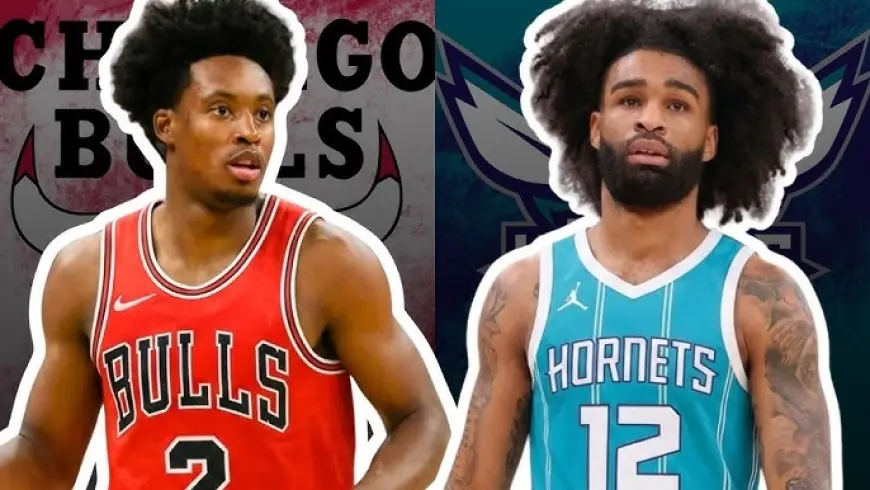
The Chicago Bulls reshaped their backcourt again Wednesday, February 4, 2026, agreeing to send Coby White and Mike Conley Jr. to the Charlotte Hornets in a multi-team deal that brings Collin Sexton to Chicago. The move is the latest signal that the Bulls are prioritizing roster flexibility and a clearer timeline, even if that means cycling through familiar names during a hectic trade week.
What the Bulls and Hornets agreed to
Under the terms outlined Wednesday afternoon (ET), Charlotte receives Coby White and Mike Conley Jr. Chicago receives Collin Sexton, Ousmane Dieng, and three future second-round picks. A third team is involved to route players and matching assets, including a separate big-man move that helps complete the transaction structure.
The picks are all seconds, but the volume matters: it’s the kind of return that can grease future trades, help move contracts, or simply give a front office more shots at finding low-cost rotation pieces.
Why Chicago moved Coby White now
White has been one of Chicago’s most productive guards, but he also represented a roster tension point: he was due for a new deal on the horizon, and the Bulls’ guard rotation had grown increasingly crowded.
Trading White now does three things for Chicago:
-
Turns a potential contract decision into assets (Sexton, a young forward flyer, and multiple picks).
-
Clears usage and minutes for the rest of the guard group.
-
Keeps the franchise flexible if the next phase becomes a more serious reset.
In basketball terms, it’s also a stylistic pivot. White is a pull-up shooter who can run offense in stretches; Sexton is more of a downhill pressure guard who can collapse a defense and live at the rim and free-throw line.
Collin Sexton’s fit with the Bulls
Sexton arrives as a change-of-pace scorer who can manufacture paint touches even when sets break down. For a Bulls team that has often struggled to generate easy rim pressure in half-court situations, that skill set is valuable.
The main questions are role and efficiency:
-
If Sexton starts, Chicago’s spacing and defensive matchups will be tested against bigger backcourts.
-
If he comes off the bench, he can function as a high-usage creator who keeps scoring afloat while starters rest.
Either way, Sexton gives Chicago a more direct “attack” profile than White, and that can matter in a league where getting two feet in the paint still drives a lot of offense.
Mike Conley Jr. contract and what it means for Charlotte
Conley is on an expiring contract, which makes him a flexible piece for any team that acquires him. In the short term, he gives Charlotte a calming organizer who can help stabilize late-game possessions and guide younger ball-handlers.
Charlotte’s decision to take on Conley reads as two things at once:
-
A basketball fit: Conley’s pace control and decision-making can reduce turnovers and improve shot quality for a young roster.
-
A roster-management tool: An expiring veteran can be kept, flipped later, or simply used to create offseason cap and trade options.
For the Hornets, pairing Conley with White is also a clean way to diversify the guard room: Conley can steer the game, while White provides spacing, off-ball movement, and quick-trigger scoring.
Bulls depth chart after the trade
Chicago’s guard rotation remains crowded, but it’s now tilted toward players who can pressure the rim or handle higher on-ball usage.
A realistic look at how the pieces stack up:
-
Lead guard minutes: a mix of existing primary ball-handlers already on the roster
-
Scoring guard role: Sexton becomes the clearest “get a bucket” option in the group
-
Bench creation: Sexton can also anchor second units if Chicago prefers more size in the starting lineup
-
Wing/forward minutes: Dieng becomes a developmental piece who may not demand nightly run immediately
The broader point: moving White was as much about simplifying the rotation as it was about value. Chicago still has choices to make, but the minutes puzzle is easier than it was 24 hours ago.
What to watch next for Bulls and Hornets
With the trade deadline approaching Thursday, February 5, 2026, at 3:00 p.m. ET, both teams have reasons to stay active.
For Chicago:
-
Whether the Bulls treat Sexton as a core piece or a moveable scorer depending on follow-up offers
-
Whether the front office consolidates more guards into one cleaner rotation
-
How the team uses the extra second-round picks as trade currency
For Charlotte:
-
Whether Conley becomes a steadying veteran through the season or a short-term asset
-
How White’s role evolves next to Charlotte’s young perimeter group
-
Whether the Hornets’ moves signal a push for immediate competitiveness or a more measured build
Sources consulted: Reuters, ESPN, NBA.com, Chicago Sun-Times