
























Robots, Drones Enhance Security at Winter Olympics Cyber Command Center

The upcoming Winter Olympics in northern Italy are set to showcase not only sports but also advanced security measures. The grand opening ceremony will take place at Milan’s iconic San Siro stadium, drawing significant attention worldwide. This year’s Games are particularly notable due to the complex security preparations amid lingering concerns over cybersecurity and physical threats.
Security Measures for the Winter Olympics
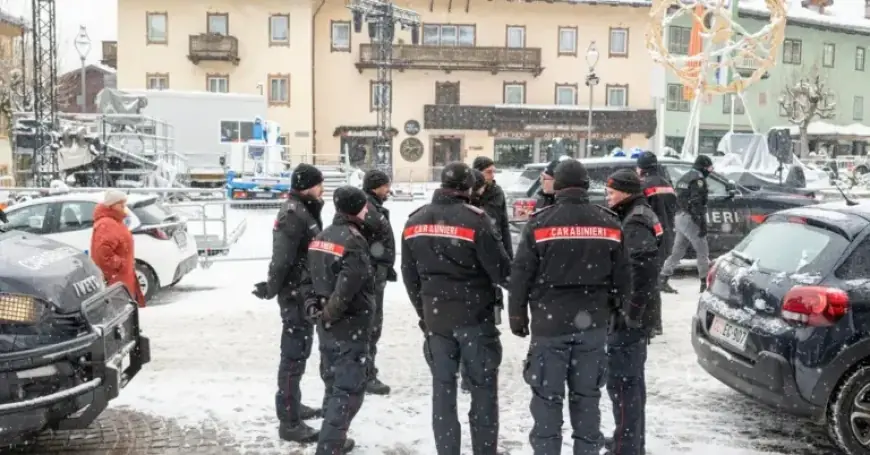
With the opening ceremony scheduled for Friday at 2 p.m. Eastern, authorities are implementing one of the largest security operations in Italian history. Over 6,000 police and security personnel will be deployed, supported by an array of surveillance drones and robots.
- Opening Ceremony: Features 1,000 performers showcasing Italy’s culture
- Security Personnel: More than 6,000 police and security staff
- Technology Utilized: Surveillance drones and robots for inspections
Recent Cyber Threats and Historical Context
Cybersecurity has emerged as a significant focus for Olympic organizers. The 2018 Winter Olympics in Pyeongchang experienced a severe cyberattack that disrupted internet access and telecasts. This attack was attributed to Russia, highlighting ongoing concerns about state-sponsored threats to international events.
Franz Regul, who managed cybersecurity for the upcoming 2024 Summer Olympics in Paris, emphasized the need for vigilance. “We do train, we do prepare for the games,” he noted, indicating a proactive approach to potential threats. The emphasis on a robust cybersecurity command center at the Milan-Cortina Games aims to mitigate risks associated with hacks.
U.S. Involvement and Diplomatic Concerns
The involvement of U.S. Immigration and Customs Enforcement (ICE) agents has sparked controversy in Italy. Local officials have expressed concerns over the agency’s past actions, especially during the Trump administration. The U.S. insists that its agents will play an advisory role rather than engage in enforcement.
Tilman J. Fertitta, the U.S. ambassador to Italy, confirmed that the Homeland Security Investigations division will operate strictly in an advisory capacity. The backlash over ICE’s presence has led to changes, including the renaming of the “Ice House,” a hospitality venue for American athletes, to “Winter House.”
Conclusion: A High-stakes Environment
As the Winter Olympics draw near, security remains a paramount concern. The integration of robots and drones into the command center reflects a commitment to safeguarding the Games against potential cyber threats and attacks. The collaboration between various agencies underscores the complex security landscape that organizers must navigate to ensure a successful event.