

























Government’s Anti-Inflation Strategies Are Effective but Unpopular

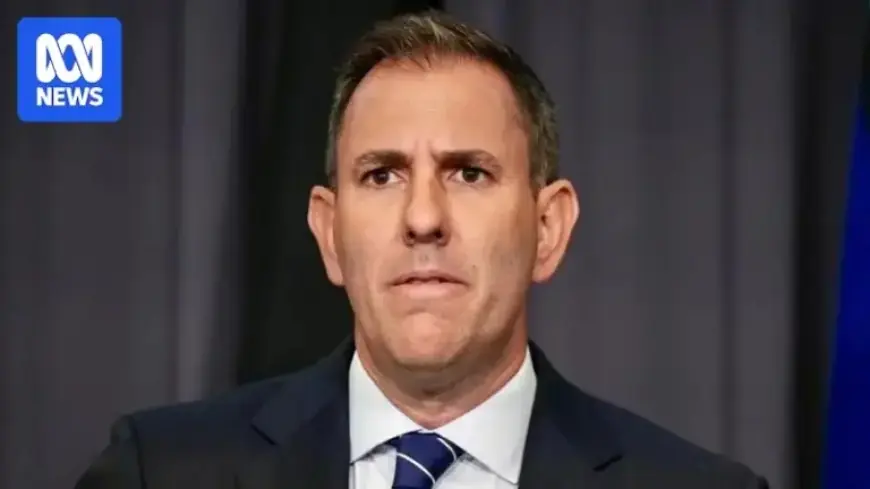
The Reserve Bank’s recent decision to raise interest rates has reignited discussions regarding the Australian government’s stance on inflation. Treasurer Jim Chalmers maintains that rising inflation is not directly attributable to government actions. He points to recent trends where private sector spending has outpaced public sector expenditure. Nevertheless, the government holds substantial influence over both sectors of the economy.
The Challenge of Inflation
Inflation occurs when consumer demand exceeds supply capabilities, leading to rising prices. This situation diminishes purchasing power and creates economic instability. Addressing high inflation typically requires either reducing demand or increasing supply. The latter is often slower and complex.
Current Government Strategy
Chalmers has stated that upcoming budgets will focus on restraint in spending. Economists have previously critiqued the government’s characterization of its fiscal strategy as “responsible.” The government’s budget surpluses have mostly stemmed from increased tax collections rather than policy adjustments. Notably, policy decisions made since Labor’s term began have added over $100 billion to overall budgetary figures.
Impact of Government Policies
- High inflation persists, driven in part by government support programs.
- Support measures like childcare subsidies and tax cuts are perceived as inflationary.
- Programs intended to aid households may inadvertently contribute to economic strain.
An economist, Chris Richardson, remarked that significant government spending, exceeding the economy’s capacity, could lead to inflationary pressure equivalent to interest rate increases. Such spending strategies may require reevaluation as the government prepares for the May budget.
Future Government Actions
To combat inflation effectively, the government may need to consider scaling back various initiatives. For instance:
- The EV tax discount might be altered or eliminated following a review.
- Public service departments have been tasked with identifying 5% of their budgets for potential savings.
- The National Disability Insurance Scheme (NDIS) growth rate is aimed to be capped at 6% annually.
The newly introduced Thriving Kids program is an initiative to reduce future costs associated with NDIS support by providing early intervention for children with autism. However, significant challenges remain in increasing the economy’s supply capacity.
The Urgency for Economic Reforms
Experts stress the importance of urgent reforms to boost productivity and housing supply. Recent forecasts from the Reserve Bank indicate declining expectations for economic growth and construction, emphasizing the need for immediate action.
Richardson advocates for more audacious reforms on both spending and taxation fronts. He suggests that political risks should not deter the government from exploring tax hikes or spending cuts. Chalmers has shown interest in pursuing tax reforms but has yet to revisit previously discussed issues like negative gearing and capital gains tax. Political pressures often complicate such decisions, as the government navigates electoral considerations.