






















Trump Urges Republicans to Nationalize Voting: Key Insights

In a recent podcast interview, former President Donald Trump proposed that the Republican Party should consider nationalizing the voting process. This statement marks a significant moment as the 2026 midterm elections approach. Trump’s comments were made on a podcast hosted by ex-FBI deputy director Dan Bongino. He claimed that illegal voters are influencing federal elections and urged Republicans to take control of election processes in at least 15 states.
Trump’s Vision for Nationalized Voting
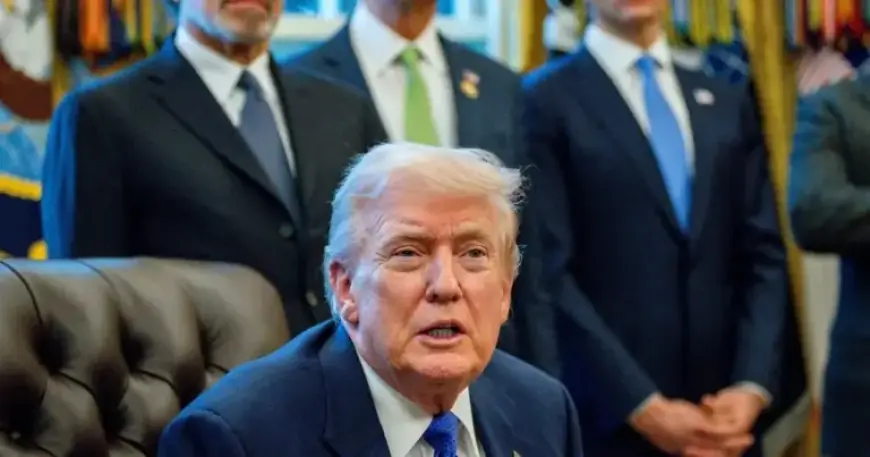
During his remarks, Trump stated, “The Republicans ought to nationalize the voting.” He expressed concerns over election integrity, specifically mentioning that some states may not be conducting honest elections. The following day, Trump reiterated this sentiment in an Oval Office event surrounded by lawmakers and Cabinet members, reinforcing his call for stronger election oversight by federal authorities.
Legal Framework of Elections
According to the U.S. Constitution, states hold the authority to establish rules for federal elections. This division of power is outlined in the Elections Clause, which specifically excludes the executive branch from having direct control over elections. Election law expert David Becker emphasized this on CBS News, stating that the Founding Fathers intended for states to manage elections independently.
Response to Trump’s Call for Federal Control
When questioned about his push for increased federal involvement in elections, Trump maintained that while states should administer elections, their processes must be conducted transparently. He referred to states as “agents of the federal government,” suggesting a need for federal oversight.
Claims of Voter Fraud
- Trump has alleged that Democrats facilitate illegal voting, particularly by undocumented immigrants.
- His accusations regarding widespread fraud in the 2020 election have been repeatedly challenged; many of his campaign’s legal efforts to contest the election results were dismissed.
- Former Attorney General Bill Barr declared that the Justice Department found no significant evidence of fraud during that election.
Despite these legal setbacks, Trump’s administration has undertaken initiatives aimed at increasing control over election integrity. Notably, he signed an executive order to require proof of citizenship for voter registration, although parts of this directive faced legal hurdles.
Attempts to Restructure Congressional Districts
Additionally, Trump has encouraged Republican lawmakers to adjust congressional district boundaries to fortify GOP representation in the House. Recent changes in Texas were aimed at gaining more seats for Republicans, while California implemented boundaries that favored Democrats.
Contentions Over Election Procedures
In a recent incident, the FBI executed a search warrant at a Fulton County elections office in Georgia, drawing attention to Trump’s baseless claims that the state’s 2020 election was rigged. Trump has consistently maintained he was the rightful winner of that election.
| Date | Event |
|---|---|
| 2020 | Trump alleges widespread voter fraud in presidential election |
| 2021 | Trump signs executive order focusing on voter registration requirements |
| 2023 | Trump calls for nationalization of voting in podcast interview |
Reactions from Republican Leaders
Trump’s calls for nationalizing elections have met resistance from within his party. Some Republican leaders like Senate Majority Leader John Thune advocate for decentralized election power. He believes that having 50 diverse election systems is more secure than a singular national system.
House Speaker Mike Johnson echoed these sentiments, affirming the importance of states managing their elections effectively. Both leaders identified the need for election integrity while maintaining a preference for state oversight.
As discussions unfold, it remains to be seen how Trump’s proposals will shape the Republican approach to elections leading up to the crucial midterm elections in 2026.