























Nikola Vučević to Celtics in swap for Anfernee Simons as deadline nears

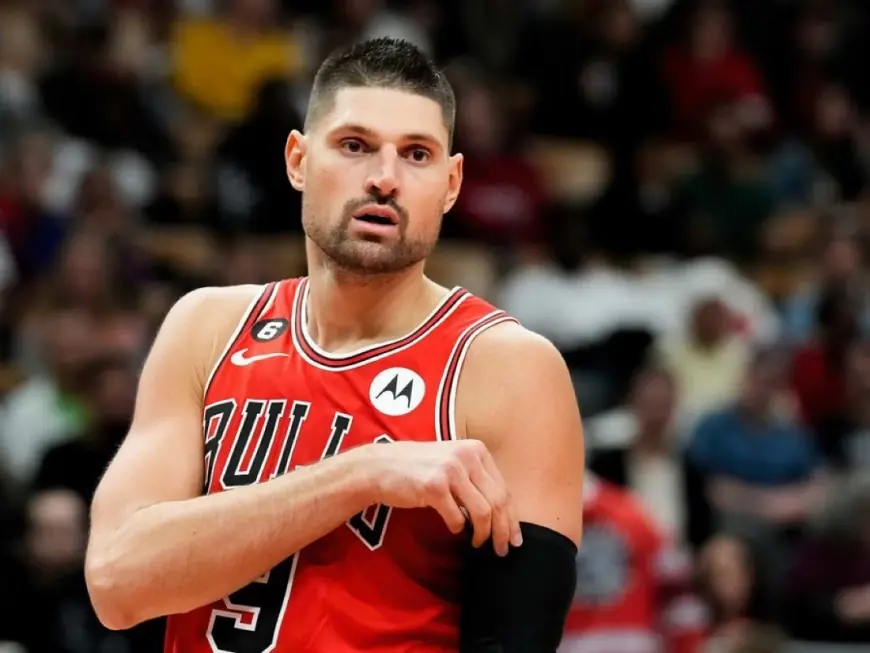
The Boston Celtics and Chicago Bulls agreed to a notable pre-deadline trade late Tuesday, February 3, 2026, sending veteran center Nikola Vučević to Boston in exchange for guard Anfernee Simons and a second-round pick. With the NBA trade deadline set for Thursday, February 5, 2026 at 3:00 p.m. ET, the move reshapes both teams’ priorities: Boston addresses a pressing frontcourt need, while Chicago adds a younger shot creator and continues a broader roster reshuffle.
Even before this deal, “celtics trade rumors” and “bulls trades” chatter had centered on two themes—Boston hunting for size and Chicago deciding how far to lean into a reset. This trade answers both.
The trade in one glance
Here’s what’s known publicly as of Wednesday, February 4, 2026 (ET), including the widely described pick component:
| Team | Receives | Sends |
|---|---|---|
| Boston Celtics | Nikola Vučević | Anfernee Simons + one second-round pick |
| Chicago Bulls | Anfernee Simons + one second-round pick | Nikola Vučević |
Some coverage has described the pick as a single second-rounder, while other reports frame it as second-round pick(s) moving both ways with protections/placement details not yet consolidated into one public summary. The core swap—Vučević for Simons—has been consistently described.
Why Boston did it: a needed center, and tax relief
Boston’s rotation has leaned heavily on smaller lineups and patchwork center minutes, especially in matchups where rim protection, defensive rebounding, and half-court screening become non-negotiable. Vučević (35) brings a stable, plug-and-play profile: reliable post and pick-and-pop scoring, strong defensive rebounding, and the passing touch to keep the offense flowing from the elbows.
There’s also a dollars-and-rules angle. Simons’ contract was larger than Vučević’s for this season, so swapping into a slightly cheaper expiring deal can reduce tax pressure and help Boston stay more flexible around the deadline and potential late-season roster additions.
Why Chicago did it: a younger scorer and a clearer direction
For the Bulls, moving Vučević is a meaningful signal. He’s been a high-usage, steady production center, and dealing him now suggests Chicago is prioritizing roster age, optionality, and future moves over maintaining the same veteran core.
Simons (26) gives Chicago a guard who can generate shots, space the floor, and carry bench or starter minutes depending on lineup needs. (Searchers often type “anfernee simmons,” but it’s Simons.) In a season where Chicago has already been active in trade talks, adding a dynamic perimeter creator fits the broader theme: retool the rotation around younger pieces and keep avenues open for additional deadline deals.
What it means on the court: roles, fit, and lineup questions
For Boston: Vučević is unlikely to be asked to transform the Celtics; he’s asked to stabilize them. Expect him to soak up matchup-dependent center minutes, help the second unit avoid scoring droughts, and give Boston a more conventional big for nights when small-ball gets punished. His best value may show up in the “boring” possessions—secure rebounds, clean outlets, dependable screens—especially against bigger frontcourts.
For Chicago: The immediate question is how Simons is deployed. If he starts, Chicago gets more off-the-dribble shooting from the opening tip; if he’s the first guard off the bench, the Bulls’ second unit gets a much higher scoring ceiling. Either way, his presence can shift shot distribution and spacing across the roster.
What to watch before Thursday’s deadline
This trade doesn’t end the market; it raises the temperature.
-
Bulls trade follow-through: With Vučević moved, Chicago’s next steps could focus on consolidating veterans, balancing the guard rotation, or collecting more future assets.
-
Celtics trade rumors: “one more move?” If Boston believes the center issue is now addressed, the next priority could shift to wing depth, a defensive specialist, or a low-usage ball mover—depending on injuries and matchups.
-
Buyout and late-season options: Boston’s reduced salary footprint may matter later if a useful veteran becomes available after the deadline.
The headline is simple: Boston turned a scoring guard into a proven big, and Chicago turned an older center into a younger creator and a pick. With the deadline just hours away, it’s also the kind of move that can force rivals to re-price the market—especially for playoff-viable rotation players.
Sources consulted: Reuters, NBA.com, ESPN, Sportsnet