DOJ expands “Epstein files” release, pulls some documents after privacy concerns

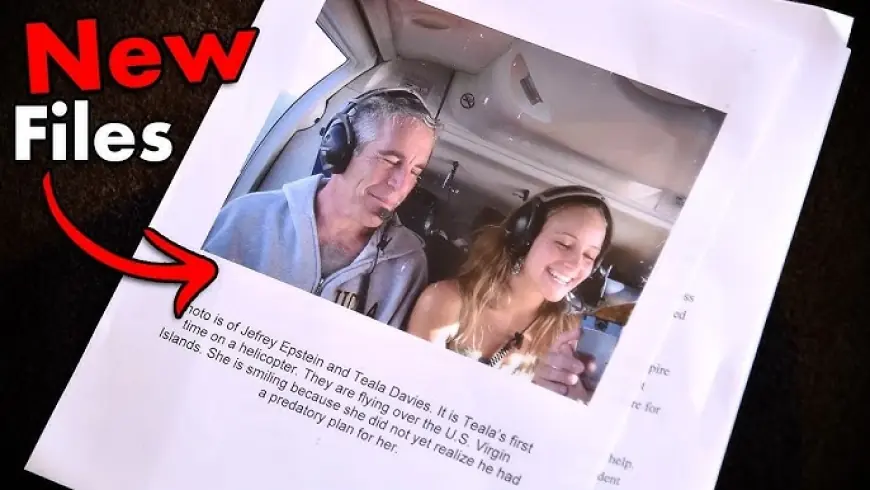
The U.S. Department of Justice expanded its public “Epstein files” release in late January 2026, posting millions of pages to a new online library created under a recently enacted transparency law. Within days, the department acknowledged that some documents were removed after victim-identifying information appeared in the public database, intensifying scrutiny over redactions, what remains withheld, and how the material is being searched and shared.
What the “Epstein files” are
The “Epstein files” is a catchall label for investigative and court-related records connected to Jeffrey Epstein and related prosecutions. The DOJ’s public library includes a wide mix of material—case files, reports, emails, images, and other records—collected from multiple investigations and legal proceedings. Some content contains descriptions of sexual assault, and the database is designed with age gating and warning language because of the nature of the material.
It’s important to separate “mentioned” from “proven”: the appearance of a person’s name in an email, address book, contact list, or interview summary does not establish wrongdoing. Many records reflect investigators’ leads, third-party statements, or administrative materials that never resulted in charges.
What changed in the January 2026 update
On Friday, January 30, 2026, the DOJ announced it had published roughly 3.5 million pages responsive to the Epstein Files Transparency Act, a law signed on November 19, 2025. The department described the release as a major tranche that added to earlier postings and emphasized that many pages include duplicates across overlapping case files and productions.
The DOJ also stated that not all records in its possession can be posted publicly. Portions are being withheld because they contain child sexual abuse material, implicate victim privacy protections, or are covered by legal privileges. Separately, some material remains under review or is held back pending additional redaction work.
- Visit U.S. Department of Justice (Click Here)
Why some documents were taken down
On Monday, February 2, 2026, the DOJ said it had taken down several thousand documents after identifying instances where victims’ names or identifying details were exposed in the public posting. The removal followed complaints from victims’ advocates and lawyers who argued the public database was revealing survivors while leaving key details about alleged perpetrators unclear or redacted.
The department has portrayed the errors as limited relative to the overall volume of records and said it acted quickly once problems were flagged. Still, the episode has become a central tension of the release: the push for transparency is colliding with long-standing victim-protection rules and the reality that many historical investigative records were never formatted for broad public disclosure.
Who is named, and what that does—and doesn’t—mean
Search interest has surged around “who’s in the Epstein files,” with queries linking the documents to public figures such as Donald Trump, Bill Clinton, Woody Allen, Harvey Weinstein, Jay-Z, Pusha T, Melinda Gates, Bill Gates, Les Wexner, Noam Chomsky, Steve Bannon, and others.
The database includes materials where public figures can appear in many ways—emails, phone logs, contact lists, scheduling notes, tips, and interview memos. A name appearing may reflect anything from a social or professional connection to a witness claim that was never corroborated. The DOJ has indicated that some sensational claims circulating online are not supported by credible information, and the agency has emphasized the need to protect victims’ identities while meeting the law’s disclosure requirements.
Separately, online discussion has blended the DOJ release with unrelated conspiracy narratives. Those claims are not part of the DOJ’s publication framework and should not be treated as validated simply because a large document dump exists.
How to search the DOJ “Epstein files” library and find PDFs
The DOJ’s public library is organized into numbered “data sets” and individual files, many of them posted as PDFs. Users typically find items in three ways:
-
Search the full library using keywords (names, dates, locations, organizations).
-
Browse by data set when looking for a specific tranche or type of material.
-
Open a specific file number when a document is cited or referenced elsewhere.
Because some records are duplicated and redactions can differ between copies, search results may surface near-identical files with different masking of names or details. If a file vanishes from results, it may have been removed for privacy remediation, replaced with a corrected version, or moved into a different posting batch.
What happens next
As of early February 2026, attention is split between transparency advocates demanding broader disclosure and victim advocates demanding tighter privacy protections and consistent redaction standards. The DOJ has indicated the review process for certain claims is complete, but it has also acknowledged that a significant amount of material is not being posted publicly due to legal limits and victim-protection requirements.
The next practical milestones are likely to be additional corrected postings (as privacy issues are fixed), clearer public accounting of what categories remain withheld, and potential congressional pressure for supervised access to unredacted materials under secure conditions.
Sources consulted: U.S. Department of Justice, Associated Press, ABC News, Congress.gov