













Prosecutor’s Teen Present at Charlie Kirk Shooting: Conflict of Interest?

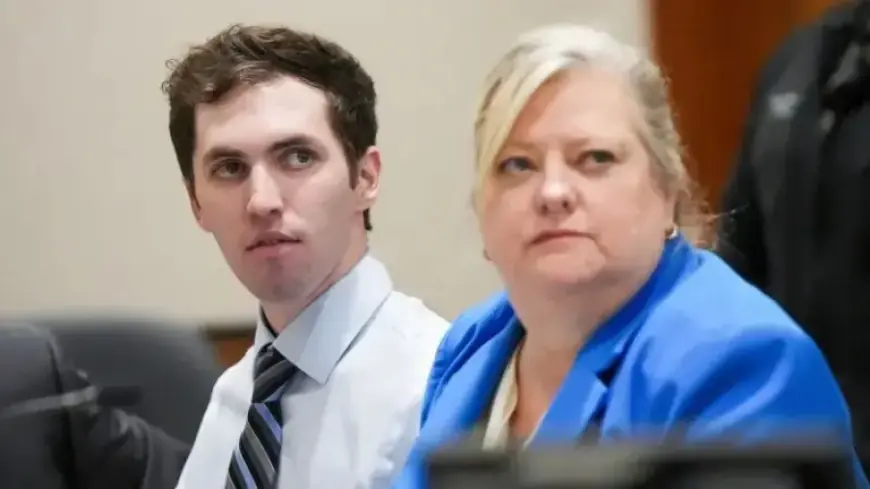
Tyler Robinson, a 22-year-old accused of murdering conservative activist Charlie Kirk, is challenging the involvement of the county prosecutor’s office in his case. His defense team argues for the disqualification of the office, citing a potential conflict of interest stemming from a deputy prosecutor’s 18-year-old child attending the event where Kirk was shot.
Conflict of Interest Allegations
The defense contends that the presence of the UVU student at the speaking engagement in September compromises the county attorney’s ability to prosecute the case impartially. However, the county attorney’s office refutes this claim, noting that the teen did not witness the shooting or see any weapon.
Legal Perspectives on the Case
Legal experts, including Professor Paul Cassell from the University of Utah, highlight that courts are generally reluctant to accept conflict of interest claims. There needs to be substantial proof that the prosecutor’s conduct could compromise the fairness of the proceedings. “There is a presumption of good faith for prosecutors,” he stated, emphasizing the high threshold for proving a conflict.
Arguments from the Defense
- The defense argues that the entire office should be removed due to failure to address the conflict.
- According to Utah’s judicial code, attorneys cannot be involved in cases with concurrent conflicts of interest.
- Witness declarations describe the shooting scene as chaotic and traumatic, further complicating the case context.
Court Proceedings Ahead
Robinson’s case is set to resume soon, where several witnesses, including the deputy prosecutor and their child, will testify. The court will determine if an actual conflict of interest exists. If a conflict is confirmed, it may only disqualify the involved prosecutor rather than the entire office.
Potential Implications for the Case
The implications of disqualification could be significant, as it may require reassignment of the case to another prosecutor’s office or the state Attorney General, both of which come with challenges. Additionally, the timing of the prosecution’s decision to pursue the death penalty is under scrutiny, with the defense suggesting that the alleged conflict influenced this urgency.
Comparative Cases
This situation is not unprecedented. Previous high-profile cases have also involved conflict of interest claims. In one instance, the defense for a man accused of murdering a CEO lodged similar complaints regarding the involvement of an attorney.
Overall, the upcoming court hearings will critically assess the allegations of conflict and could impact the prosecution’s approach to this high-stakes case involving Charlie Kirk’s tragic death.