

























India Faces Nipah Virus Outbreak: Key Facts and Precautions

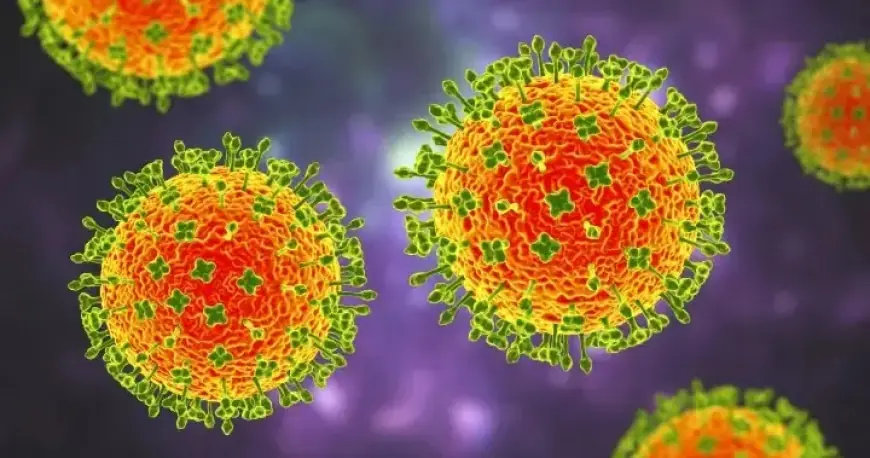
The recent Nipah virus outbreak in West Bengal, India, has raised substantial health concerns across Asia. As of now, there are five confirmed cases of infection, some involving medical personnel. Consequently, approximately 100 individuals have been quarantined as a precautionary measure, and several patients are hospitalized in Kolkata. In response to the outbreak, three airports in Thailand have initiated health screenings for passengers arriving from West Bengal. Additionally, precautions have been established in Nepal, where both the Kathmandu airport and land border crossings with India have begun screening travelers.
Understanding the Nipah Virus
Nipah virus is recognized as a severe public health threat. It is transmitted through multiple pathways, primarily from fruit bats to humans, or through contaminated food. Human-to-human transmission is also possible through close contact with an infected person’s bodily fluids. The World Health Organization (WHO) categorizes the disease as capable of causing fatal encephalitis and acute respiratory illness.
Symptoms and Risks
Individuals infected with Nipah virus often experience flu-like symptoms that can escalate into severe respiratory issues. Common indicators include:
- Fever
- Headaches
- Muscle pain
- Vomiting
- Sore throat
In more severe cases, patients may present with dizziness, altered consciousness, and respiratory failure. The incubation period varies, ranging from four to 14 days, with the possibility of extending up to 45 days.
Mortality and Treatment
The death rate associated with Nipah virus infection is alarmingly high, estimated between 45% to 75%. Unfortunately, there are no vaccines or specific treatments currently available for the virus in humans or animals. Supportive care remains the primary method of treatment for those affected. Survivors may face long-term neurological issues, including seizure disorders and personality changes.
Historical Context of Nipah Virus
Nipah virus was first identified during an outbreak in Malaysia in 1999. Since then, various outbreaks have been documented across South Asia, including regions in India, Bangladesh, and Singapore. Notably, the virus has never been reported in Canada, which minimizes risk to those within the country.
The urgent need for research and development regarding Nipah virus is emphasized by the WHO, highlighting its status as a priority disease. In December 2025, a phase two clinical trial for a Nipah virus vaccine began, involving 306 participants aged 18 to 55.
Key Takeaways
- Five confirmed Nipah virus cases in West Bengal, India.
- Health screenings initiated in Thailand and Nepal.
- Symptoms include fever, muscle pain, and respiratory issues.
- High mortality rate with no available vaccine or treatment.
- Historical outbreaks primarily in South Asia.
As the situation unfolds, it remains critical for the public to stay informed about the Nipah virus and adhere to health advisories from authorities.