
























Vowles’ Williams Exposed by Latest ‘Painful’ F1 Car Delay

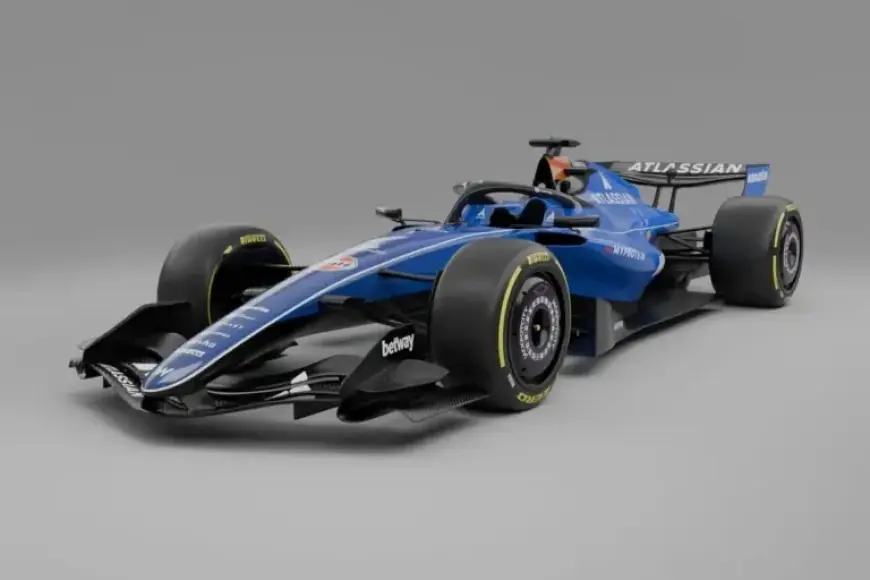
James Vowles, the team principal of Williams Racing, recently addressed the team’s “incredibly painful” delay in constructing the 2026 Formula 1 car. This situation marks the third occasion in seven years that Williams has struggled with timely car builds. In 2019, the team missed a large portion of the pre-season testing, and in 2024, their car was overweight and lacking spare parts, which hindered development. Currently, Williams finds itself approximately 2000 km behind its competitors in on-track testing.
Challenges in the FW48 Build
The FW48 build faced several setbacks. The team encountered difficulties with crash tests, impacting their construction timeline. Vowles remarked that the team has complicated processes to meet the standards necessary for becoming a competitive outfit. “One of my responsibilities is to transform this business as rapidly as possible,” Vowles emphasized.
Performance Highlights of 2025
- In 2025, Williams achieved two podium finishes.
- The team secured fifth place in the constructors’ championship.
These accomplishments reflect Vowles’ leadership, yet the recent delays indicate significant challenges in the build process. Vowles stated, “The car developed this year is about three times more complex than any previous models.” This complexity has strained the team’s resources, resulting in a build that did not meet expectations.
Vowles’ Commitment to Improvement
Vowles openly acknowledged that he misjudged what the team required to advance for 2026. He pointed out that the current design is markedly different from previous efforts. “We have pushed the boundaries of design and component integration,” he said. Despite the setbacks, he expressed satisfaction with the car’s complexity, highlighting that achieving the desired output necessitated more effort from the team.
Looking Ahead
Despite the current turmoil, Vowles believes there is still time to correct course and validate the team’s design approach. The outcome of these developments will be closely monitored as the season progresses. “There is significant credit in the bank after 2025,” he noted. However, if the car does not perform as expected on the track, that credit could quickly diminish.
Short-Term Setbacks and Long-Term Goals
Vowles articulated the importance of making aggressive decisions to retain performance potential. He also recognized the necessity of enhancing the team’s operational efficiency to manage the increasing complexity of car builds. The management’s agility in responding to challenges remains a focus for improvement.
As the team prepares for the upcoming season, the pressure is on to resolve these issues and ensure that Williams returns to a position of competitiveness in Formula 1.