























Court Halts Trump Administration’s Move to End Haitian Protections: NPR

A recent ruling by a federal court has temporarily halted the Trump administration’s efforts to terminate Temporary Protected Status (TPS) for approximately 350,000 Haitian migrants. This decision, made by U.S. District Judge Ana Reyes, provides a significant legal delay in an immigration agenda that has faced increasing scrutiny.
Key Ruling on Haitian Temporary Protected Status
On February 2, 2026, Judge Reyes issued a decision stating that the termination of TPS for Haitians would remain “null, void, and of no legal effect.” This ruling is essential as it comes just before the scheduled end of TPS, designed to protect individuals from unsafe conditions in their home countries.
Background on Temporary Protected Status
- Initial Activation: Haiti’s TPS status was activated after a devastating earthquake in 2010.
- Scope: TPS allows individuals to live and work in the U.S. but does not provide a direct path to citizenship.
- Extension History: The status has been renewed multiple times, reflecting ongoing instability in Haiti.
Judge Reyes highlighted concerns regarding statements made by Homeland Security Secretary Kristi Noem, suggesting that her intentions were influenced by hostility towards nonwhite immigrants. The judge emphasized the need for Noem to consult with other agencies concerning conditions in Haiti.
Community Response and Concerns
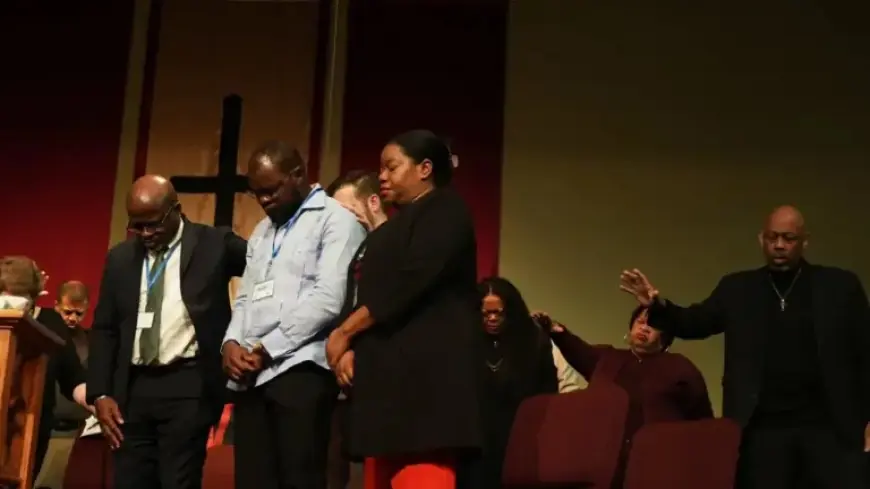
Community leaders in Springfield, Ohio, where many Haitians reside, welcomed the ruling as it brings temporary relief. Rose-Thamar Joseph, from the Haitian Support Center, expressed gratitude but acknowledged ongoing fears. Many individuals are concerned about their safety and livelihoods in the face of possible deportations.
- Legal Actions: There are pending lawsuits relating to TPS for other nationalities, including Venezuelans and Ukrainians.
- Community Impact: Local leaders report that fear and uncertainty grip the Haitian community, affecting their day-to-day lives.
Political Context and Ongoing Issues
The Trump administration has made efforts to end protections for various immigrant groups, including 600,000 Venezuelans and over 160,000 Ukrainians. Critics argue that the administration’s actions are part of a broader mass deportation strategy.
Statements from Officials
DHS spokesperson Tricia McLaughlin criticized the ruling as “lawless activism,” arguing that TPS was never intended to serve as a permanent amnesty. Despite claims of improvements in conditions in Haiti, community leaders assert that the country remains unsafe.
Given the history of violence and instability in Haiti, local activists argue that the termination of TPS would have dire consequences for those affected. They fear that without legal protections, many individuals could face severe dangers if returned.
Future Considerations
As the legal battle continues, the implications for the Haitian community remain uncertain. Many families are grappling with the realities of living in fear and potential separation due to immigration enforcement.
Lynn Tramonte, director of the Ohio Immigrant Alliance, noted that while the court’s decision provides temporary relief, families cannot live indefinitely in uncertainty tied to pending legal outcomes. The future of TPS for Haitians and other vulnerable populations remains a pivotal issue in the broader discussion on immigration reform in the United States.