























What the SAVE Act is and how it could change U.S. voter registration

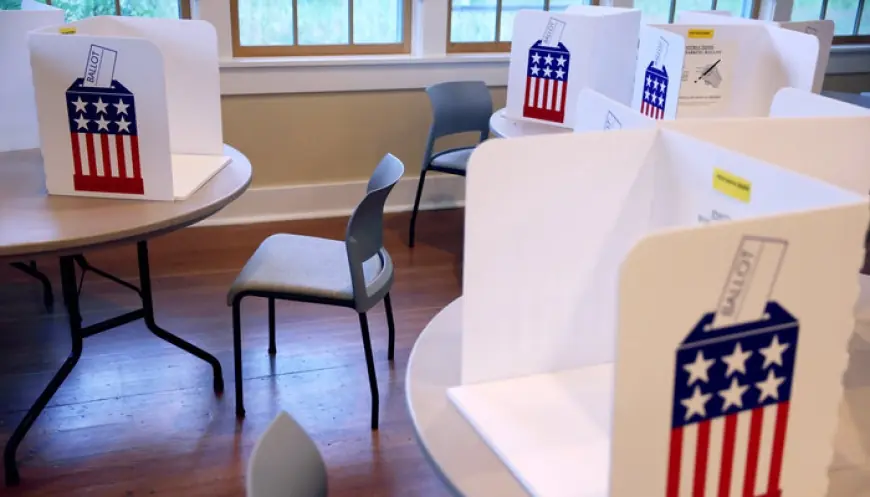
The SAVE Act is short for the “Safeguard American Voter Eligibility Act,” a federal proposal that would change how people register to vote in U.S. federal elections. Its central idea is simple: it would require documentary proof of U.S. citizenship at the time of voter registration, rather than relying primarily on an attestation signed under penalty of perjury.
The bill has drawn attention because it would reshape common registration methods used across many states—especially online and mail registration—and because it would add new legal and administrative pressure on state and local election offices that run voter rolls.
What the bill would require
Under the SAVE Act, states would be barred from accepting and processing a federal-election voter registration application unless the applicant presents documentary proof of U.S. citizenship. The bill also directs states to take ongoing steps to ensure only citizens are registered, including identifying and removing noncitizens from voter lists.
The proposal outlines categories of acceptable documentation and also calls for an alternative process where an applicant could submit other evidence to demonstrate citizenship when standard documents aren’t available or don’t match perfectly.
Which documents could matter
In practice, “documentary proof” commonly means items like a U.S. passport or a birth certificate, and in some cases certain government-issued identification tied to citizenship status. The bill’s design matters because many eligible voters do not keep citizenship documents readily accessible, may need to order copies, or may face delays and fees.
Name and record-matching issues are another practical flashpoint. People whose current legal name differs from older documents—often due to marriage, divorce, or other legal changes—could face extra steps to assemble a complete, consistent paper trail when registering or updating registration.
How registration could change day to day
The SAVE Act’s impact would be most visible at the front door of voting: registration.
Many voters register through a mix of channels—DMV transactions, online portals, mailed forms, community registration drives, and in-person sign-ups. A documentary-proof requirement tends to push more cases into “manual review” and in-person verification, because election offices must confirm that the presented documentation satisfies the rule and aligns with the application record.
That shift can also change the experience for groups that register at higher rates through nontraditional channels, such as students, renters who move often, rural voters far from election offices, and voters with limited access to transportation or document services.
Why supporters and critics disagree
Supporters frame the bill as an election-integrity measure aimed at preventing noncitizens from registering and voting in federal elections. Citizenship is already required for federal voting, and proponents argue that a documentary check at registration creates a clearer, enforceable standard.
Critics argue the bill targets a problem viewed as rare while creating a broad barrier for eligible citizens. They also emphasize implementation risks: higher administrative costs for states, longer processing times, more rejected or incomplete applications, and the possibility that eligible voters could be removed from rolls or blocked from registering due to documentation gaps, data errors, or mismatches.
Another debated element is enforcement. The bill includes mechanisms that expand legal exposure for election officials, which opponents say could make offices more cautious, slow processing, or deter proactive registration assistance.
Where the SAVE Act stands now
As of February 3, 2026 (ET), the SAVE Act has passed the U.S. House of Representatives and has been received in the U.S. Senate, but it has not become law. Future movement would require Senate approval and then presidential action.
Legislative timing also matters because election rules often need long lead times for states to update forms, train staff, adjust software, and communicate changes to voters.
Key takeaways
-
The SAVE Act would require documentary proof of U.S. citizenship to register to vote in federal elections.
-
It could change or complicate common registration pathways, especially online and mail registration.
-
It has passed the House but has not cleared the Senate and is not currently law.
Sources consulted: Congressional Research Service; Congress (official bill status and text summaries); Bipartisan Policy Center; Associated Press