Josh D'Amaro to succeed Bob Iger as Disney CEO in March

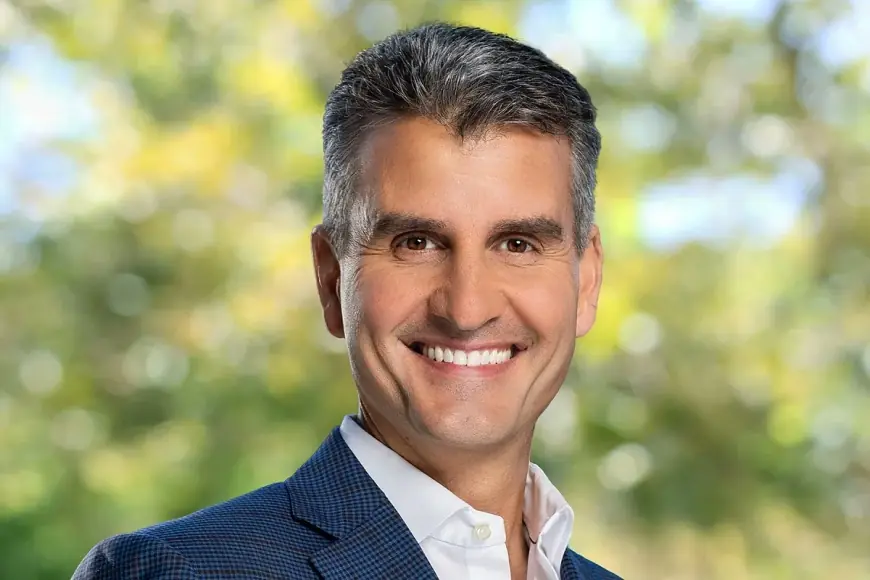
The Walt Disney Company said Tuesday, Feb. 3, 2026, that it has picked Josh D’Amaro as its next chief executive, setting up a leadership handoff that ends a long-running succession question at one of the world’s most closely watched media and entertainment businesses. The transition puts the executive who has run the company’s theme parks, resorts, cruise line, and consumer-products operations in the top job as Bob Iger prepares to step aside at the annual meeting on March 18, 2026.
The company also announced a revamped leadership structure meant to balance operational rigor with creative oversight, elevating Dana Walden to president and chief creative officer alongside the CEO change.
Key takeaways
-
The CEO change is scheduled to take effect March 18, 2026, at the annual meeting.
-
The board is signaling confidence in the parks-and-experiences engine as Disney’s financial anchor.
-
The leadership shuffle is designed to strengthen creative decision-making while the company navigates streaming economics and legacy TV pressures.
Timeline for the transition
The board voted unanimously to elevate D’Amaro and said the change becomes effective at the company’s annual meeting on March 18, 2026, when he will succeed Iger. That creates a defined runway for the handoff rather than an abrupt change, and it gives Disney a clear date around which to message strategy to employees, partners, and investors.
The company indicated it expects D’Amaro to join the board shortly after the annual meeting, a common step that formalizes governance alignment between directors and the incoming chief executive. In practical terms, the next six weeks are likely to be filled with internal briefings, budget reviews, and early decisions about who will fill the vacuum at Disney’s experiences division once D’Amaro moves upstairs.
What Josh D’Amaro inherits
D’Amaro steps into the role at a moment when Disney is being pulled in two directions: the steady, cash-generating “real-world” businesses and the more volatile economics of filmed entertainment and direct-to-consumer streaming. His most visible track record sits in the former. Under his leadership, the experiences segment has become the company’s biggest operating profit contributor, supported by pricing power, new attractions, and an expanding cruise business.
The company has pointed to a multi-year capital plan for parks and cruises through 2033, underscoring that experiences are expected to remain a central growth pillar. That emphasis matters because it influences everything from capital allocation to how Disney prioritizes franchises across films, series, games, and attractions. The CEO’s job will be to keep that flywheel turning without starving the content pipeline that fuels it.
Why parks drove the decision
Choosing a parks chief executive is an explicit bet on operational execution and long-horizon investment. Parks and cruises carry high fixed costs, long construction timelines, and reputational risk if guest experiences slip—yet they also offer recurring demand when managed tightly. Elevating the leader of that segment suggests the board views disciplined operations, capacity planning, and brand stewardship as the traits most needed right now.
It also signals that Disney intends to keep leaning into experiences-led monetization: turning popular characters and stories into attractions, hotels, cruises, merchandise, and vacation packages that produce cash flow less dependent on advertising cycles or theatrical volatility. For investors, the logic is straightforward: the segment that produces dependable earnings is being put at the center of corporate strategy.
Creative leadership and Hollywood ties
One of the persistent questions around any parks-focused CEO is how well they manage the creative ecosystem—talent relationships, studio decision-making, and the high-stakes economics of content slates. Disney’s simultaneous move to elevate Walden to president and chief creative officer appears designed to address that concern directly, creating a clear counterpart responsible for creative direction across entertainment.
That structure could help Disney avoid a common pitfall: operational leaders optimizing for near-term financial efficiency while creative groups feel underpowered or second-guessed. The upside is sharper accountability—operations and guest experience on one side, creative output on the other—while the risk is slower decision-making if the roles are not tightly coordinated.
What investors watch next
The near-term focus shifts quickly from “who” to “what now.” The first questions are likely to center on capital spending priorities for parks and cruises, the pace of streaming profitability improvements, and how the company manages legacy TV declines without undermining sports and news advantages.
Next comes personnel: who replaces D’Amaro atop experiences, whether Disney consolidates additional functions, and how the leadership team signals continuity or change. Finally, investors will look for early indicators that the new structure improves execution—fewer strategic reversals, more predictable release and investment cadence, and a steadier narrative around how Disney balances creative ambition with financial discipline.
Sources consulted: The Walt Disney Company; Reuters; The Wall Street Journal; Barron’s