Epstein files PDF 2026: what’s in the DOJ release and why parts were pulled

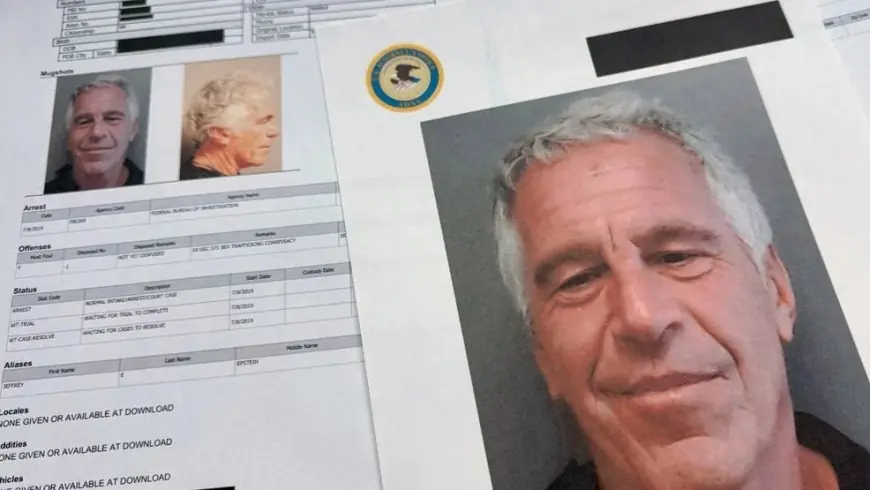
A massive new release of federal records tied to Jeffrey Epstein is now online in PDF form, after the Justice Department posted roughly 3.5 million pages of materials on Friday, Jan. 30, 2026 (ET) under a recently enacted disclosure law. Within days, the rollout hit turbulence: attorneys for victims pressed courts to intervene over alleged redaction failures, and the department said it removed several thousand documents and media items while it fixes privacy issues.
The result is a fast-moving situation where the public archive exists, but its contents—and the rules around what stays posted—are still shifting.
What’s in the 2026 PDF release
The library is not a single “master file.” It’s a large set of downloadable PDFs and other files organized into multiple “data sets,” with file names that look like a catalog number. The materials span investigations, prosecutions, and related reviews, including:
-
Call logs, phone records, and contact-related documents
-
Handwritten notes, police files, and investigative paperwork
-
Interview transcripts and grand jury-related materials
-
Court filings and internal memoranda connected to earlier investigative decisions
-
Large volumes of images and video seized from devices (some content is explicit and the archive includes warnings)
The documents do not function like a curated narrative. Many items are partial, duplicated, or heavily redacted, and names can appear simply because someone was mentioned in a note, calendar entry, or contact list rather than because of wrongdoing.
How to find and use the PDFs without getting lost
Most people searching “epstein files pdf 2026” are looking for practical navigation. The fastest approach is to locate the Justice Department’s public “Epstein” document library page and then work from the structure it provides.
A few tips that help in real-world use:
- Visit U.S. Department of Justice ( Click Here )
-
Start with the data set index. Each batch is grouped; pick one set and stay inside it rather than jumping randomly.
-
Use file names as coordinates. The catalog-style file naming makes it easier to keep track of what you’ve opened and what you haven’t.
-
Search within PDFs carefully. Some pages are scanned images, which can make keyword searches unreliable even inside a PDF viewer.
-
Treat screenshots and excerpts cautiously. Viral snippets often strip away headings, page numbers, and context that clarify what a page is and where it came from.
-
Separate “association” from “allegation.” Mentions, addresses, and scheduling references are common in investigative archives and do not automatically imply criminal conduct.
A quick timeline of the 2026 release
| Date (ET) | What happened | Why it matters |
|---|---|---|
| Nov. 19, 2025 | Disclosure law signed | Set deadlines and scope for DOJ release |
| Jan. 30, 2026 | About 3.5M pages posted | Largest single publication of Epstein-related DOJ files to date |
| Feb. 1, 2026 | Victims’ lawyers sought court action | Claimed redactions exposed identifying information |
| Feb. 2, 2026 | DOJ pulled thousands of items | Department said it is correcting redaction problems |
Redactions, privacy, and the documents that disappeared
The sharpest controversy is not about whether the government released “enough,” but whether it released too much of the wrong kind—specifically, information that could identify victims. Lawyers representing more than 200 alleged victims urged federal judges in New York to order an immediate takedown of the library, arguing that names and personal details were left visible in some places they should not have been.
On Monday, Feb. 2, 2026 (ET), the Justice Department said it removed several thousand documents and media items that might have included victim-identifying information. Senior officials have described the redaction errors as limited in percentage terms and said they are correcting issues promptly when victims or lawyers flag them.
This creates a difficult tension: broad transparency is the goal of the law, but the material includes sensitive data that can put survivors at risk of harassment, exposure, or retaliation if handled poorly.
Oversight pressure and the political fight around “what’s missing”
The release also sits inside a political struggle over compliance: whether the department met the law’s demands, whether some categories of records were withheld under legal privileges, and whether Congress will push for further disclosures or auditing of the review process.
At the same time, top Justice Department officials have played down the likelihood that the archive itself will trigger a wave of new prosecutions. The files include disturbing information, but much of it is historic, fragmentary, or constrained by legal standards for charging decisions.
What to expect next
Two things are likely in the near term:
-
Further cleanup of the existing archive as redaction problems are identified and corrected, which may include temporary removals and reposting of revised files.
-
Court and congressional pressure to clarify what categories were withheld and why, alongside renewed arguments over where transparency ends and victim protection begins.
For the public, the most reliable way to follow changes is to watch for dated updates on the Justice Department’s library page and compare the listed “last updated” timestamps when revisiting a data set.
Sources consulted: U.S. Department of Justice; Associated Press; Reuters; Congress.gov