
























Bridgerton Cast Guide: Who Plays the Bridgertons, the Featheringtons, and the Ton’s Power Players

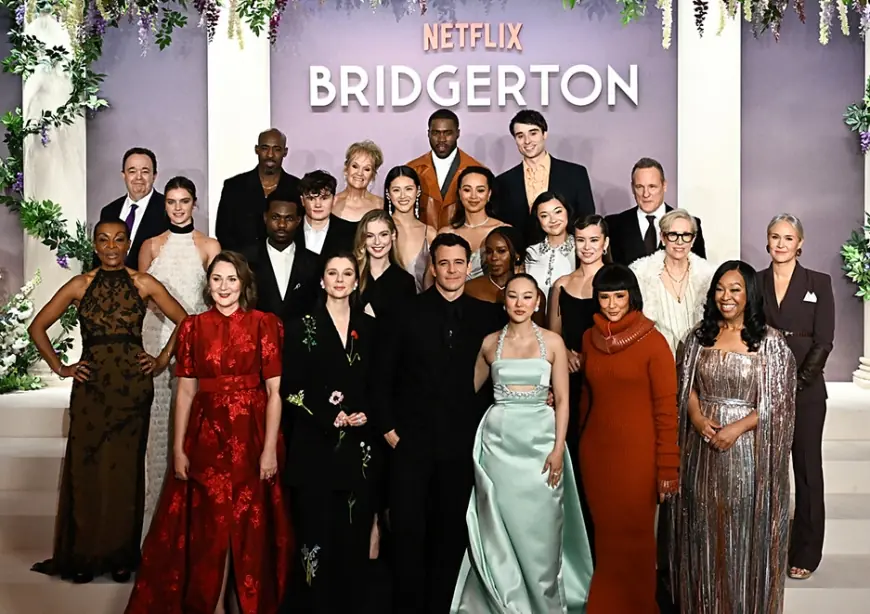
The Bridgerton cast is built like a relay race: the ensemble stays familiar, but the romantic leads shift season to season as each sibling steps into the spotlight. That rotating structure is the show’s secret weapon. It keeps the world recognizable while letting the story refresh its energy, pairings, and tone without “starting over.”
Below is a practical cast map—who’s who, where they fit in the social ecosystem of the Ton, and why casting continuity matters as much as casting surprises.
The Bridgerton family: the show’s core ensemble
These are the faces most tied to the “home base” of the series:
-
Jonathan Bailey as Anthony Bridgerton
-
Luke Thompson as Benedict Bridgerton
-
Claudia Jessie as Eloise Bridgerton
-
Luke Newton as Colin Bridgerton
-
Hannah Dodd as Francesca Bridgerton
-
Ruth Gemmell as Violet Bridgerton
Two former season leads are especially associated with the show’s early identity:
-
Phoebe Dynevor as Daphne Bridgerton
-
Regé-Jean Page as Simon Basset, Duke of Hastings
The Featheringtons: chaos, comedy, and social survival
The Featherington orbit is where the series often turns its sharpest knives—status anxiety, money problems, and image management:
-
Nicola Coughlan as Penelope Featherington
-
Polly Walker as Portia Featherington
-
Bessie Carter as Prudence Featherington
-
Harriet Cains as Philippa Featherington
The Queen, the court, and the Ton’s most influential fixtures
These characters anchor the show’s sense of hierarchy—who has power, who performs power, and who gets punished when they misread the room:
-
Golda Rosheuvel as Queen Charlotte
-
Adjoa Andoh as Lady Danbury
-
Lorraine Ashbourne as Mrs. Varley
And on the younger side of the social chessboard:
-
Charithra Chandran as Edwina Sharma
-
Simone Ashley as Kate Sharma
Lady Whistledown’s engine: why the cast chemistry matters
The show isn’t only romance; it’s surveillance, reputation, and the constant threat of public embarrassment. That’s why the casting of Penelope and Eloise—Claudia Jessie opposite Nicola Coughlan—has been so central: their friendship (and fracture lines) powers the series’ bigger theme that intimacy and social power can’t be separated.
When you watch Bridgerton as a cast-first show, it becomes clearer why it works: the romances change, but the emotional “witnesses” remain. The Ton keeps score, and the audience does too.
The spinoff that reshaped the cast conversation
The world expanded with Queen Charlotte: A Bridgerton Story, which added younger versions of key figures:
-
India Amarteifio as young Queen Charlotte
-
Corey Mylchreest as young King George
That spinoff mattered because it proved the franchise can introduce new leads without losing the brand’s identity—useful in a series where lead roles naturally rotate.
Behind the headline: what the rotating cast model is really doing
Context: Each season’s “lead couple” structure creates a built-in refresh, like changing genres without changing the universe. It also allows the show to keep long-running relationships simmering in the background, so new seasons feel connected rather than episodic.
Incentives: From a production standpoint, the show can retain beloved ensemble members while adding new characters who spike curiosity. From a storytelling standpoint, it avoids the trap of stretching one romance past its natural endpoint.
Stakeholders:
-
Viewers who want continuity (the family, the court, the gossip engine)
-
Newcomers who want a clean entry point each season
-
Actors whose roles can expand or contract depending on which sibling is “up”
Missing pieces: The biggest unknown in any future season is not whether new characters arrive—they will—but which returning characters get meaningful screen time, and how the series balances “new love story” with “ongoing ensemble arcs.”
Second-order effects: The rotating-lead model makes casting news feel more dramatic than it would in a standard drama. A new romantic lead isn’t just a new character; it changes the emotional center of the show.
What happens next: the realistic cast pattern to expect
-
The next season spotlights a different Bridgerton sibling as the primary lead.
-
The Ton’s power figures (Queen, Lady Danbury, Violet) continue as connective tissue.
-
The Featherington household remains the show’s pressure valve—comedy plus consequence.
-
New suitors and rivals arrive, then some quietly fall away once their season’s story resolves.
-
A small set of relationships (friendships, family fractures, reputations) carries the long-term stakes across seasons.
If you want, tell me which season you’re on, and I can narrow this to the exact cast you’ll see—without spoilers.