


















US Judge Lifts Order Preventing DHS from Destroying Shooting Evidence

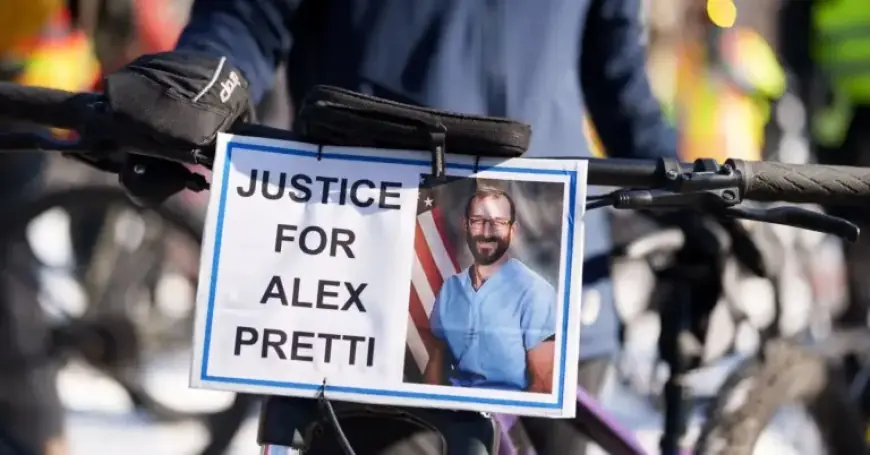
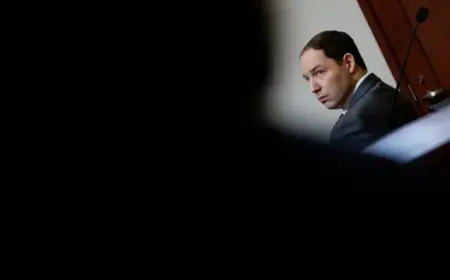
A federal judge in Minnesota recently lifted an order that prevented the U.S. Department of Homeland Security (DHS) from destroying evidence linked to the fatal shooting of Alex Pretti by federal agents. This decision was made by U.S. District Judge Eric C. Tostrud in Saint Paul on February 1.
Background of the Case
On January 24, Judge Tostrud issued a temporary restraining order to preserve evidence related to Pretti’s shooting. However, he determined that such an order was no longer necessary as there was little chance DHS would destroy or tamper with the evidence.
Details of the Incident
Alex Pretti was shot and killed by federal immigration agents amidst protests in Minneapolis against President Donald Trump’s immigration policies. This incident marked Pretti as the second U.S. citizen killed by federal agents during the demonstrations.
Ongoing Investigations
The U.S. Justice Department has launched a civil rights investigation into this shooting. This inquiry could lead to potential criminal charges against the involved officers, though establishing such a case can be legally challenging.
Lawsuit and Access to Evidence
- The Minnesota Bureau of Criminal Apprehension and Hennepin County Attorney’s Office initiated a lawsuit for access to evidence from the shooting.
- Federal law enforcement agencies denied state investigators access to the scene where Pretti was killed.
- The lawsuit criticized the urgency and thoroughness of the federal investigation into the shooting.
Statements from Officials
Judge Tostrud expressed concern over public comments made by high-ranking officials from the Trump administration. Statements from DHS, Homeland Security Secretary Kristi Noem, and White House Deputy Chief of Staff Stephen Miller appeared to exonerate the agents prematurely.
Despite these troubling remarks, Tostrud concluded that the relationship between the statements and the actions of federal investigators was too indirect to support ongoing legal restrictions on evidence destruction.
Legal Implications
The judge noted that the shooting likely imposed a legal obligation on federal law enforcement to preserve evidence, especially concerning a potential excessive force lawsuit filed on behalf of Pretti. Destroying evidence in this scenario would have significant consequences.
Representatives from the state agencies involved have not yet commented on the ruling made on February 1.