Prince Andrew faces renewed scrutiny after fresh Epstein-file disclosures

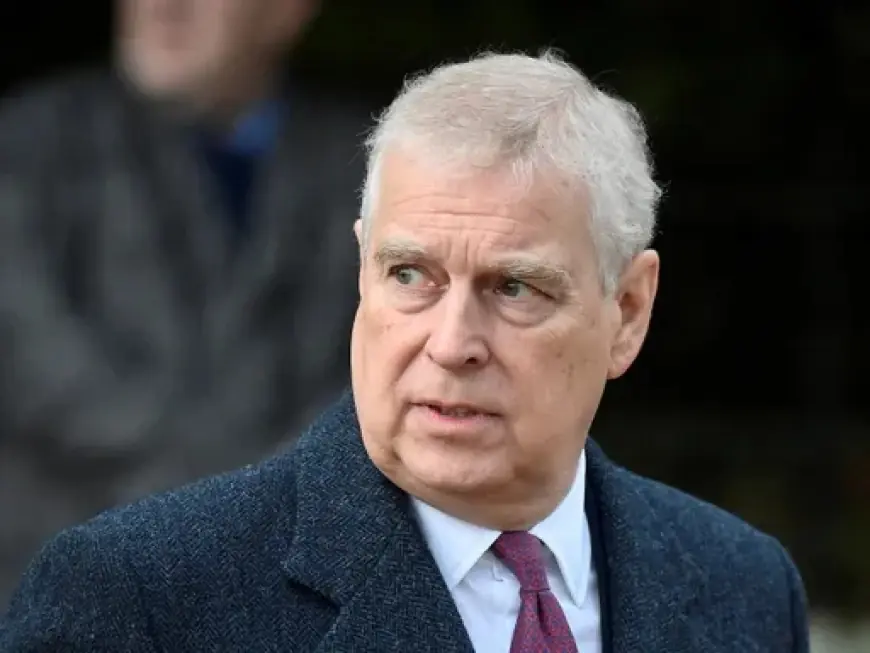
A new batch of U.S. government disclosures tied to Jeffrey Epstein has reignited scrutiny of Prince Andrew, sharpening political pressure in the U.K. and reviving questions about whether he will ever cooperate with U.S. investigators. The documents add detail to years of controversy, including email exchanges suggesting continued contact after Epstein’s 2008 conviction and photographs that appear to show Andrew with an unidentified woman whose face is redacted.
The renewed attention lands as Andrew’s public role remains effectively frozen and his living arrangements are shifting after he was stripped of royal titles in late 2025.
What the latest disclosures show
The new material includes emails that depict a relationship that did not end as cleanly as previously asserted, with continued communication extending well beyond Epstein’s conviction. Some of the emails discuss possible meetings, social plans, and introductions to women, with messages signed by a sender using “The Duke” and an initial “A” that the documents associate with Andrew.
The release also includes redacted images described as appearing to show Andrew kneeling over an unidentified woman on the floor, with no public caption indicating when or where the pictures were taken. With key details withheld or unclear, the images have become a focal point for renewed criticism while also underscoring how much context remains missing from public view.
Political pressure to testify grows
U.K. Prime Minister Keir Starmer has publicly urged Andrew to provide information to U.S. lawmakers examining the Epstein case, framing cooperation as part of a victim-centered approach. In the U.S., congressional interest has periodically resurfaced, and the latest disclosure has accelerated calls for a formal interview or testimony.
Whether that happens is uncertain. Andrew lives in the U.K., and any attempt to compel participation would run through complex legal and diplomatic channels. In practical terms, the most likely near-term outcomes are continued public requests, legal correspondence, and pressure campaigns rather than an immediate appearance.
Royal separation and the Royal Lodge move
The monarchy has tried to limit the spillover by formally separating Andrew from public royal duties and branding. After losing royal titles and the right to be styled as a prince, he has increasingly been referred to using the family name “Andrew Mountbatten-Windsor.”
A second strand of the story is physical as well as reputational: Andrew has been told to vacate Royal Lodge, the large residence on the Windsor estate that has been his long-term home. Recent coverage around the relocation has focused on a move to accommodation on the Sandringham Estate, away from the higher-visibility Windsor setting. The relocation is widely read as part of a broader effort to reduce daily proximity to core royal residences and cut down on recurring flashpoints.
Why this round hits differently
This cycle is not just a rehash of past allegations; it is driven by documents, timestamps, and communications that give the controversy fresh hooks. The central question is no longer only what Andrew denies, but what the documentary trail suggests about judgment, access, and sustained contact in the period after Epstein’s conviction.
The combination of (1) newly surfaced correspondence, (2) photographs that provoke obvious questions, and (3) renewed political calls for cooperation creates a more immediate, procedural storyline: will Andrew engage with investigators, and what—if anything—can compel him to do so?
What to watch next
The next developments are likely to be incremental rather than theatrical: legal requests, statements from representatives, and potential moves by U.S. lawmakers to formalize interview demands. In the U.K., the most consequential steps are likely to be practical—housing and funding arrangements—rather than symbolic, since Andrew’s public-facing roles have already been curtailed.
A compact timeline of the pressure points:
| Date (ET) | Event |
|---|---|
| 2008 | Epstein convicted in Florida case involving a minor |
| 2010 | Andrew previously said a New York visit ended the relationship |
| Nov 2025 | Andrew stripped of royal titles and told to vacate Royal Lodge |
| Jan 30, 2026 | New U.S. disclosure batch released, including emails and redacted photos |
| Feb 1–2, 2026 | Public calls intensify for Andrew to cooperate with U.S. lawmakers |
For now, the story hinges on two unknowns: whether additional documents add context that clarifies the most inflammatory material, and whether political pressure translates into any concrete legal mechanism that changes Andrew’s options.
Sources consulted: Reuters; Associated Press; BBC; Buckingham Palace