Government Shutdown 2026 Update: Yes, There Is a Partial Shutdown, and the Next Big Vote Is Set for Tuesday

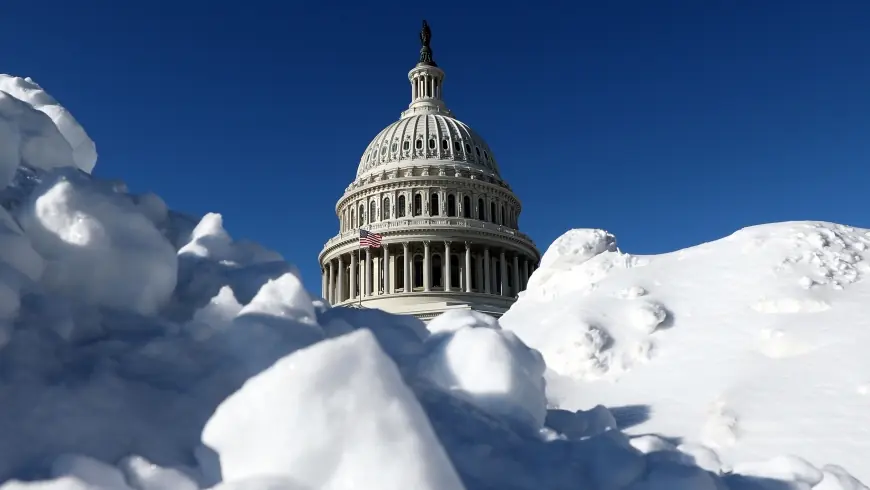
The federal government is partially shut down as of Monday, February 2, 2026, ET, after a funding deadline passed without final enactment of a package that would keep large parts of the government funded for the rest of the fiscal year while temporarily extending Department of Homeland Security funding. The shutdown is now in its third day, with tangible impacts starting to surface in transportation and other public-facing services, even as core national security and emergency functions continue.
The key question today is not whether the shutdown happened, it did. The question is whether lawmakers can pass a reopening plan without last-minute add-ons that could force another round of votes and prolong the disruption.
Is the government shut down today?
Yes. A partial federal shutdown is in effect today, February 2, 2026, ET.
It is “partial” because some agencies and programs already have enacted funding, while others are caught in the lapsed appropriations. The current fight is centered on the remaining spending measures that have not been signed into law.
What triggered the shutdown this time
This shutdown is tied to a collision between budget mechanics and an immigration enforcement controversy.
Lawmakers had been moving toward final passage of a broader set of spending bills, but negotiations broke down around Department of Homeland Security funding after two fatal shootings in Minneapolis involving federal immigration enforcement. That flashpoint reshaped the politics: many Senate Democrats refused to support full-year Homeland Security funding without new restrictions on how immigration enforcement operates.
The result was a compromise structure in the Senate: separate Homeland Security from the rest of the package, pass the other bills for the remainder of the fiscal year, and extend Homeland Security only briefly to buy time for negotiations. The House did not clear final action before the deadline, and the lapse triggered shutdown procedures.
Senate vote on ICE funding: what it actually did
The Senate’s key move was not a simple up-or-down “ICE funding” vote. It was a sequencing decision designed to create leverage.
The Senate approved a plan that funds multiple departments through the fiscal year and gives Homeland Security a short extension, with a two-week window to negotiate reforms aimed at immigration enforcement operations. The reform demands being discussed publicly include requirements such as body cameras being turned on and limitations on agents wearing masks during operations.
This is why “Senate Democrats government shutdown” is trending. The standoff is about tying operational guardrails to Homeland Security funding, not just the topline dollar amount.
What happens in the House next, and why Tuesday matters
The House is the current chokepoint.
On Monday afternoon, February 2, 2026, ET, the House Rules Committee began the procedural work required to bring the funding package to the floor. Floor action is expected Tuesday, February 3, 2026, ET, at the earliest.
Speaker Mike Johnson has said he is confident the House can pass the package Tuesday, but his margin is thin and the procedural vote, the “rule,” is a major hurdle. Democratic leaders have signaled they do not intend to supply votes to fast-track the package, meaning Republicans must largely carry it themselves.
Complicating the math: some conservative hard-liners want to attach an unrelated elections measure that would require proof of citizenship for federal elections. If that add-on is forced into the funding package, it could slow everything down by sending the bill back for additional consideration rather than ending the shutdown quickly.
What’s affected right now: the real-world impacts
Even a partial shutdown produces immediate pressure points:
Transportation disruption is already visible. More than 10,000 Federal Aviation Administration workers are furloughed, while air traffic controllers continue working without pay. That mix can strain staffing, maintenance, and administrative capacity, even if critical safety operations continue.
Airport screening continues because Transportation Security Administration employees are considered essential and must report to work, though they may be working without pay depending on funding status.
Tax season is in the background. The IRS has indicated it can continue normal operations for now under existing plans, but prolonged disruption raises the risk that customer service and manual review backlogs grow.
The judiciary has warned it has limited cash on hand to sustain paid operations for only a short period if the funding gap persists, raising the stakes for a quick resolution.
Behind the headline: why this shutdown is harder to unwind than it looks
Budget fights normally resolve when leaders agree on a number. This one is tangled up in policy, accountability, and symbolism.
Democrats have incentives to show they are responding to public concern about enforcement tactics and civil liberties after the Minneapolis shootings. Republicans have incentives to avoid signaling weakness on immigration enforcement, especially with the White House urging quick passage of the package without changes. Meanwhile, House hard-liners see a shutdown as leverage to attach unrelated priorities, and leadership’s small majority gives them outsized power.
The stakeholders most exposed are not lawmakers. They are federal workers, contractors, travelers, and communities that rely on federal services that cannot be fully automated.
What we still don’t know
Several details will determine whether this is a short shutdown or a longer grind:
Whether the House can pass the procedural rule without concessions that change the bill.
Whether Republicans can limit defections and keep the package clean enough to avoid a return trip for more votes.
Whether lawmakers reach a clear framework for Homeland Security and immigration enforcement reforms within the short extension window.
What happens next: 5 realistic scenarios
-
Shutdown ends Tuesday
Trigger: the House passes the package without major changes and it moves straight to enactment. -
A procedural failure delays the vote
Trigger: the rule vote fails due to defections, forcing leadership to renegotiate internally. -
An unrelated add-on prolongs the shutdown
Trigger: the package is amended and requires additional rounds of votes. -
A short reopening followed by another deadline fight
Trigger: the two-week Homeland Security extension expires without an enforcement-reform deal. -
A wider disruption wave
Trigger: the shutdown drags on, increasing staffing strain and backlogs in transportation and other services.
For anyone asking “did the government shut down today,” the answer is that the shutdown is already underway as of February 2, 2026, ET. The next decisive test is the House vote expected Tuesday, when lawmakers must choose between a clean reopening path and a riskier strategy that could stretch the shutdown further.