























Metro Tunnel Proves Efficient on First Monday Morning Rush Hour

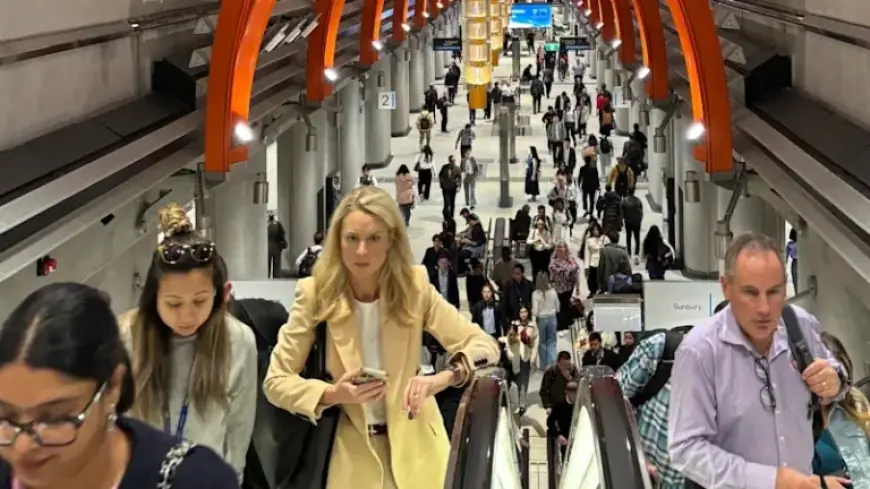
The recent launch of the Metro Tunnel has transformed travel patterns across Melbourne, particularly during the first Monday morning rush hour. Commuters adapted to the new timetable, which significantly alters how passengers reach various destinations.
Key Changes in Travel Patterns
As of February 2, 2026, most train services operated efficiently, with a reported 99% of trains running on time. However, a malfunction with a train door led to some disruptions at Arden station.
One commuter from Caulfield noted that the more direct route to Parkville saved her 15 minutes. In contrast, others faced extended journeys. A traveler from Cranbourne to Collingwood encountered a three-train trip that added approximately 25 minutes to his commute.
Congestion at Caulfield Station
At Caulfield station, there was significant congestion as passengers navigated between platforms. Despite the chaos, on-site staff provided much-needed assistance. City-bound trains arrived every three to four minutes, which helped minimize delays.
The Metro Tunnel: An Overview
Initially announced in 2016 at a cost of $10.9 billion, the Metro Tunnel Project ultimately exceeded $15 billion. This venture represents the most substantial upgrade to Melbourne’s public transport system since the City Loop’s introduction in 1981. Although the tunnel began operations in November with a limited timetable, it has now transitioned to a full schedule.
- Key Lines Affected:
- Sunbury
- Cranbourne
- Pakenham
- Transfer Requirements: Passengers must now interchange to reach key Loop stations like Southern Cross, Parliament, and Flagstaff.
Commuter Experiences
Many travelers are still adjusting to the new systems. For instance, Andreas Groell, needing to switch trains at Caulfield, had initially underestimated the time needed for transfers. He realized he would need an additional five minutes for his journey to South Yarra.
Conversely, Manoj Mathew, also facing a longer commute, expressed frustration after realizing this new route added considerable time to his morning travels. His experience highlights the necessity for better communication about the changes.
Meanwhile, medical student Sara Pisacane benefitted from the revised schedule, finding that the new direct service meant a quicker, more straightforward trip to her classes at the University of Melbourne.
Looking Ahead
The first Monday morning rush hour served as a significant test for the Metro Tunnel. Public Transport Users Association spokesman Daniel Bowen noted that daily commuters would likely adjust quickly. However, occasional users, such as those attending specific events, might find the changes surprising in the coming weeks.
In summary, while initial disruptions occurred, the Metro Tunnel’s launch marks a new chapter in Melbourne’s public transport landscape, with the potential for greater efficiency and improved travel times for many commuters.