Gold and Silver Prices Plummet Unexpectedly

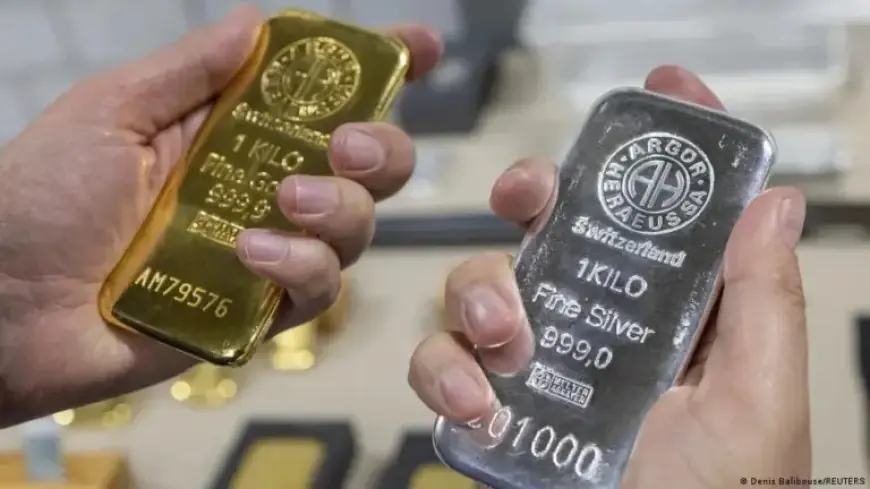
This past week saw an unexpected plunge in gold and silver prices that surprised many investors. After reaching an all-time high of over $5,580 (€4,705) per ounce on Thursday, gold faced a dramatic downturn. On Friday, the price fell approximately 9%, marking one of its steepest declines in years.
By Monday, gold’s price dropped another 3.3%, settling at $4,545 per ounce, before showing some signs of recovery. This surge prior to the decline was fueled by growing investor interest in safe-haven assets due to persistent inflation in major economies and escalating geopolitical tensions.
Gold Price Surge & Subsequent Decline
Gold’s record-setting price peak was influenced by various factors. Major concerns included:
- Ongoing inflation pressures.
- Geopolitical instability, particularly surrounding US-China trade relations.
- US President Donald Trump’s ambitions regarding Greenland.
- Russia’s involvement in Ukraine.
- Iran’s activities in regional conflicts.
Compounding this situation were expectations regarding potential interest rate cuts by the US Federal Reserve, which typically weakens the dollar and raises gold demand.
Driving Forces Behind Gold and Silver Prices
Another contributing factor to the price rise was a significant increase in trading of call options. This trend prompted option sellers to buy gold to mitigate risks, further fueling demand. Meanwhile, silver experienced its own rollercoaster ride, achieving a record price of $121.64 per ounce before plummeting by nearly 41% to around $72 by Monday.
This decline in silver prices was, in part, attributed to speculative trading and an increase in industrial demand, as silver is increasingly utilized in electronics and clean energy production. In China, a surge of speculative money tightened the domestic silver supply, escalating prices further.
Market Reactions and Future Outlook
The abrupt reversal in precious metal prices can be largely traced to two critical announcements. First, Donald Trump nominated Kevin Warsh as the next Federal Reserve chair on Friday. Warsh is viewed as a moderate figure likely reluctant to implement immediate rate cuts, leading to an appreciation of the US dollar.
Additionally, the Chicago Mercantile Exchange raised margin requirements for gold and silver futures, a move aimed at ensuring market stability. As a result, many traders reacted quickly, unwinding leveraged positions in response to the rapidly declining prices.
Traders’ Sentiments and Predictions
The scale of the sell-off prompted comparisons to the 2008 financial crisis, according to market analysts. They noted that liquidity issues worsened during peak selling periods, complicating efforts to exit positions. Analysts indicated that the excessively bullish stances taken by many traders left the market vulnerable when prices started to drop.
Now, traders are left pondering the future of gold and silver. Some remain optimistic, suggesting that this might just be a correction after an extraordinary surge rather than a complete end to their rallies.
- Michael Brown, a strategist at Pepperstone, highlighted this ongoing uncertainty in the market.
- Christopher Forbes from CMC Markets indicated potential for future recovery based on renewed demand and dollar weakness.
Additionally, Deutsche Bank emphasized that central banks, particularly in China, Poland, and South Korea, will continue to drive demand for gold. These countries are diversifying their reserves to guard against currency and geopolitical risks. The ongoing interest from individual investors in Asia further supports the notion that gold remains an attractive asset.
As the market adjusts to these recent shifts, many believe that both gold and silver still possess potential for price recovery and sustained investment interest going forward.