Victorian Beach Community Opposes Global Firm’s Offshore Turbines

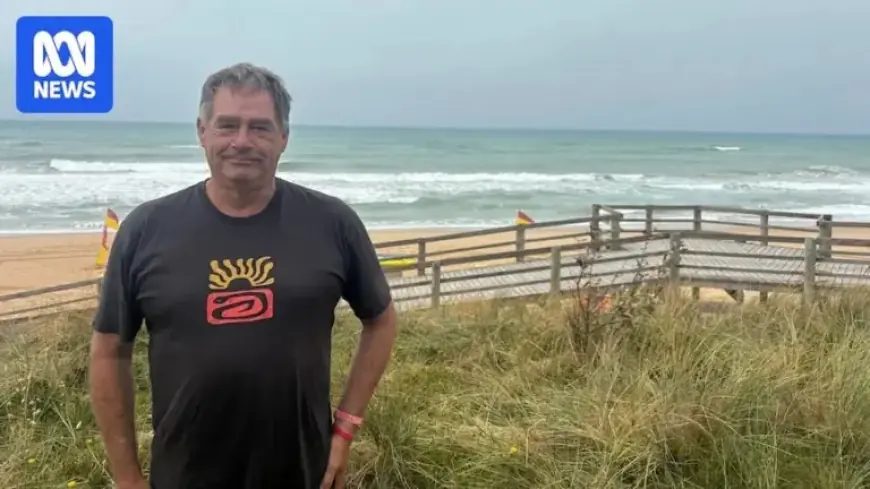
A coastal community in Victoria is voicing strong opposition to an international wind energy company’s proposal for offshore turbines. Residents in Seaspray are concerned about the Blue Mackerel project’s impact on their picturesque environment and social wellbeing.
Community Protest Against Offshore Turbines
Nearly 400 locals participated in a protest meeting last month, expressing their discontent regarding the Blue Mackerel proposal. This project, initiated by the joint venture JERA Nex BP, intends to construct 60 to 70 wind turbines approximately 10 kilometers offshore.
Project Details
The intended site spans 163 square kilometers of ocean between Seaspray and Woodside, located south of Sale in Gippsland. The project aims to produce 1 gigawatt of renewable energy, sufficient to power around 750,000 homes annually by 2033. However, local residents are skeptical about the benefits, fearing their community will bear significant risks without proper compensation.
- Project Name: Blue Mackerel Offshore Wind Project
- Proponent: JERA Nex BP
- Location: Seaspray, Victoria
- Number of Turbines: 60-70
- Distance from Shore: 10 km
- Power Output: 1 gigawatt
- Homes Powered Annually: 750,000
- Planned Completion: 2033
Community Concerns
Local spokesman Marty Jackson stated that the visual impact of the turbines is just one of many issues. He remarked on the potential disruption to the town’s social fabric and community health. The seaside community, known for its pristine 90-mile beach, fears losing its charm to these looming structures.
Residents like Bernadette Gray have raised alarms about not just the turbines’ visibility but also potential noise and light pollution. They cherish the area’s natural beauty, including its clear night skies, which attract tourists for stargazing.
Consultation and Local Sentiment
Many residents feel that discussions about the project have been superficial, with little regard for community input. Gillian McIwain pointed out that recent infrastructure plans to connect offshore wind farms to the electricity grid have heightened local anxiety.
David Ghaly, the project director for Blue Mackerel, acknowledged the concerns but stated that the project must adhere to its designated license area. He emphasized the company’s intention to engage with the community to explore beneficial opportunities.
The Road Ahead
Although Ghaly expressed a desire to collaborate with locals, Jackson and other residents have made it clear that they prioritize their community’s integrity over financial incentives. “We don’t want your benefits,” he stated, emphasizing the community’s focus on the project’s negative impacts rather than potential compensations.
Currently, the Blue Mackerel Offshore Wind Project is at the feasibility stage, with no final decisions made regarding its progression or turbine placements. The Victorian government has been reached for comment but has not yet responded.
The community remains steadfast in its opposition, advocating for the preservation of their beloved coastal environment against the encroaching wind energy developments.