























Forecasters Reveal Predictions Beyond 2026 Groundhog Day Results

With Groundhog Day 2026 just behind us, meteorologists are offering insights into the weather predictions beyond February. While the beloved Punxsutawney Phil may have seen his shadow, indicating six more weeks of winter, professional forecasters suggest that the reality may be even colder for many parts of the United States.
Groundhog Day Predictions and Their Accuracy
The concept of Groundhog Day may be a fun tradition, but real temperature trends tell a different story. A study by the National Oceanic and Atmospheric Administration (NOAA) ranked various groundhogs based on their weather forecasting accuracy. The findings are surprising and can help shed light on the reliability of these furry prognosticators.
February Weather Outlook
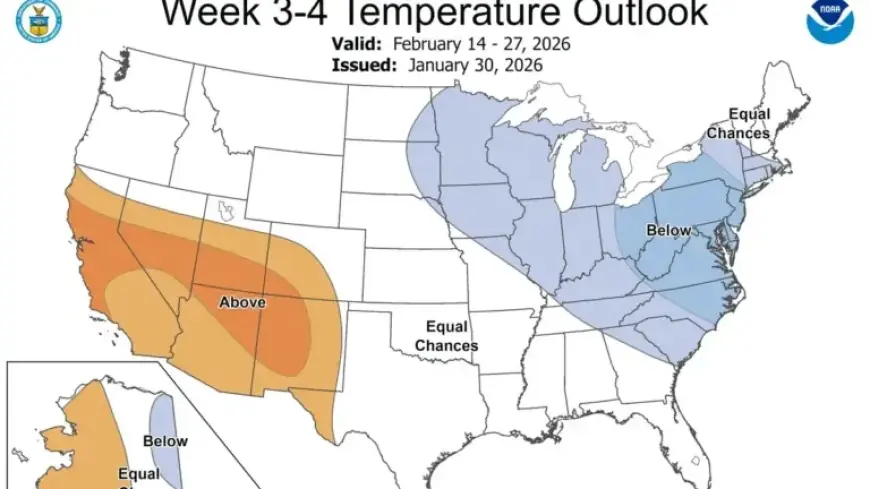
- The eastern United States is expected to experience increasingly frigid conditions throughout February.
- The West, however, will enjoy milder temperatures and potentially an early kickoff to spring.
According to AccuWeather’s Paul Pastelok, a polar vortex is anticipated to bring another cold air surge to Central and Eastern regions around mid-February. This will likely result in some snow accumulation. Meteorologist John Baranick echoed these predictions, noting the potential for a significant winter storm leading into the second week of February.
Regional Temperature Variations
“It greatly depends on where you are located,” said Johnna Infanti of NOAA’s Climate Prediction Center. Currently, forecasts indicate the following:
- Below-normal temperatures are expected in much of the Eastern U.S. into mid-February.
- The Northeast may encounter especially chilly conditions.
- In contrast, above-normal temperatures are projected for the Western U.S., particularly in the Southwest.
Precipitation Expectations
The forecast for precipitation is quite varied as well. Areas in the Northern Rockies, Northern Plains, Upper Mississippi Valley, and Great Lakes are likely to experience above-normal snowfall. Meanwhile, the Southern U.S. can expect below-normal precipitation. Infanti noted that the ongoing influence of the La Niña climate pattern is shaping these weather trends, which could last into the upcoming months.
Overall, while Groundhog Day provides entertainment, reliance on its predictions may not reflect the true state of winter weather. The professional forecasts suggest that winter is far from over for many, especially in the Eastern states.