




















“‘Kings and Pawns’ Explores Robinson and Robeson’s Iconic Conflict”

Jackie Robinson, a pivotal figure in American sports, is celebrated as the first African-American athlete in Major League Baseball (MLB). His story includes not only six All-Star selections and a 1955 World Series victory but also a complex and lesser-known battle that unfolded in a courtroom.
‘Kings and Pawns’: The Conflict Between Robinson and Robeson
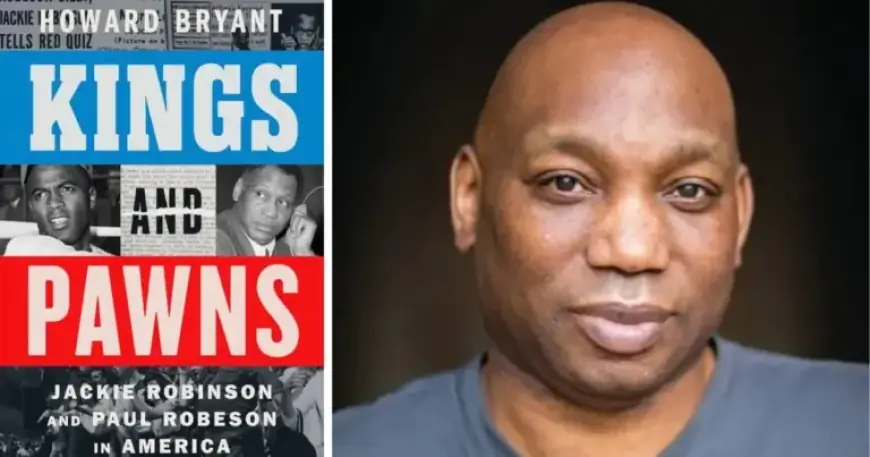
Howard Bryant’s new book, “Kings and Pawns: Jackie Robinson and Paul Robeson in America,” sheds light on the intense rivalry between Robinson and Paul Robeson. This rivalry was not just an athletic contest but a clash that highlighted racial and political tensions in mid-20th century America.
Robeson’s Legacy
Paul Robeson made significant contributions to American culture. He was a groundbreaking college football player, a key figure in Broadway’s desegregation, and a celebrated singer and actor. However, Robeson faced intense backlash after World War II, particularly due to his association with the Soviet Union.
- Robeson was regarded as one of the most famous Black men globally.
- His support for the Soviet Union stemmed from its purported commitment to racial equality.
- By 1949, he became a target of the House Un-American Activities Committee.
Robinson’s Dilemma
Faced with growing anti-communism sentiment, Robinson found himself in a position where he had to choose sides. The owner of the Brooklyn Dodgers, Branch Rickey, sought Robinson’s help to diminish Robeson’s influence.
- Robinson felt a duty to counteract perceptions of African-American disloyalty.
- His testimony against Robeson had significant repercussions, both personally and politically.
The Aftermath
Robinson’s actions led to Robeson’s exclusion from many professional opportunities, exacerbating racial tensions. Bryant argues that Robinson’s testimony ultimately hindered the civil rights movement by causing organizations like the NAACP to retreat from their advocacy for equality.
Reflecting on History
In “Kings and Pawns,” Bryant draws parallels between today’s political climate and the Cold War era. He emphasizes how historical narratives influence modern views on race and loyalty.
As a documentary producer and former ESPN broadcaster, Howard Bryant’s insights highlight the ongoing relevance of Robinson and Robeson’s stories. Their legacies continue to resonate, reminding us of the complex interplay between race, politics, and culture in America.