
























Groundhogs and Lobster Set to Predict Winter’s Duration

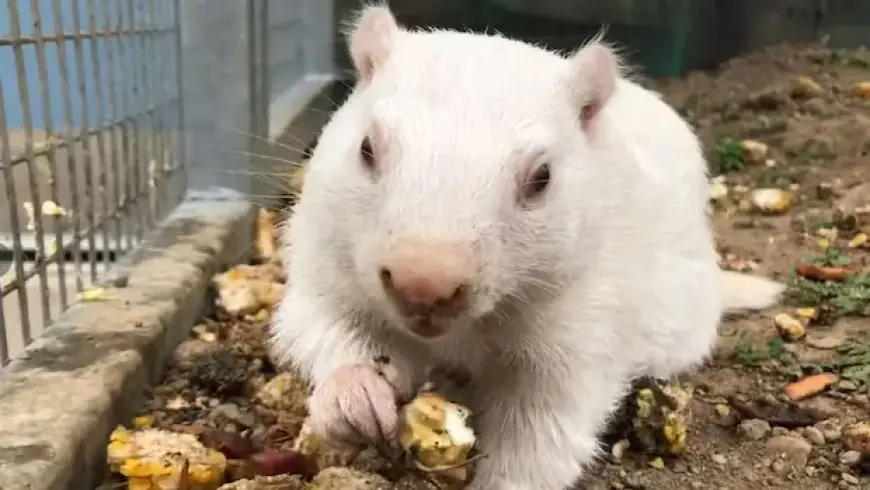
The tradition of Groundhog Day, celebrated every February 2, involves watching animals as they emerge from hibernation to predict the coming season. This unique ritual isn’t just limited to groundhogs; even lobsters participate in the prediction game. Various animals across Canada and the United States play crucial roles in this fascinating custom.
Key Canadian Weather Prognosticators
In Canada, several notable animals are poised to make their predictions:
- Shubenacadie Sam: Located at the Shubenacadie Wildlife Park in Nova Scotia.
- Lucy the Lobster: Residing in Barrington, Nova Scotia.
- Wiarton Willie: A notable groundhog in Ontario.
- Fred la marmotte: Found in Quebec.
- Van Isle Violet: Hailing from Nanaimo, British Columbia.
The Tradition in the U.S.
America’s most famous forecasting groundhog is Punxsutawney Phil, located in Pennsylvania. Phil’s prediction is highly anticipated and will occur at 7 a.m. on Groundhog Day. According to tradition, if a groundhog sees its shadow on a sunny day, winter will last six more weeks. Conversely, no shadow on a cloudy day signals an early arrival of spring.
Wiarton Willie and His Legacy
Wiarton Willie, with a population of about 1,900 in Wiarton, Ontario, predicts the weather at 8:07 a.m. ET each year during a celebration at Bluewater Park. The tradition dates back to 1956, originally started as a humorous event by Mac McKenzie. Since then, it has evolved into a tourist attraction with numerous festivities, including fireworks, curling, and skating.
Community Involvement and Predictions
Local residents view Groundhog Day as a significant homecoming event. Danielle Edwards, the manager of economic development for South Bruce Peninsula, highlights that predictions often reflect a community divided on the favorability of additional winter versus an early spring.
Groundhog Day’s Historical Roots
Groundhog Day began in the United States with Punxsutawney Phil’s first prediction in 1886. The inaugural trek to Gobbler’s Knob happened the following year on February 2, 1887. Over the years, various towns have adopted their own methods for shadow predictions.
Accuracy of Animal Predictions
The accuracy of these animal forecasters varies significantly. Since 2000, Wiarton Willie has demonstrated a 29 percent accuracy rate. Comparatively, the National Oceanic and Atmospheric Administration (NOAA) evaluated 17 U.S. groundhogs and reported accuracy rates ranging from 25 percent to 85 percent.
Alternative Predictions
Several unique alternatives to groundhogs also predict winter’s duration, including:
- Bonhomme Couèche: A costumed figure at the winter carnival in Shediac, New Brunswick.
- Manitoba Merv: A puppet used for predictions.
- Balzac Billy: A performer in a groundhog mascot outfit.
- Okanagan Okie: A stuffed animal utilized for similar predictions.
As the tradition of Groundhog Day continues, communities engage in spirited celebrations and await the forecasts of these whimsical weather predictors, reflecting cultural heritage and seasonal anticipation.