

























Trump Aide Alleges Australian Election Ads Linked to Clive Palmer in Epstein Files

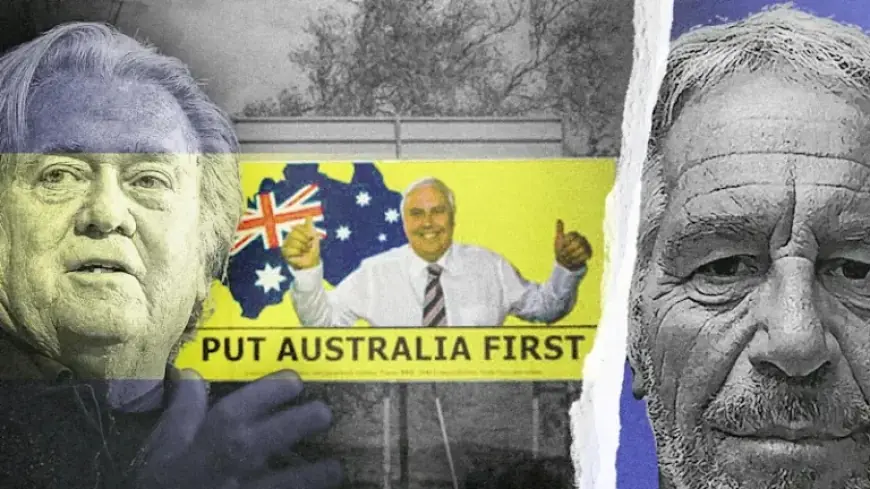
New revelations from a U.S. investigation into Jeffrey Epstein’s communications have surfaced regarding Australia’s 2019 federal election. These messages feature prominent figures like former Trump strategist Steve Bannon and Australian billionaire Clive Palmer, suggesting an intricate web of political influence and financial backing.
Connections Between Bannon and Palmer
On May 20, 2019, Bannon communicated with an account believed to belong to Epstein. He disclosed his role in persuading Palmer to finance a substantial advertising campaign worth approximately $60 million. This initiative focused on anti-China and anti-climate change messaging. Bannon claimed, “I had Clive Palmer do the $60m anti-China and anti-climate change ads.”
The Impact of the Campaign
Palmer’s advertising campaign marked the most expensive in Australian political history. His party, the United Australia Party (UAP), invested $83.6 million across various platforms, targeting Labor leader Bill Shorten and climate policies. Despite not winning any seats, Palmer insisted that his financial contributions played a significant role in the coalition government’s victory.
- Key figures: Steve Bannon, Clive Palmer, Jeffrey Epstein
- Campaign cost: $60 million for ads
- Total UAP expenditure: $83.6 million
- UAP primary vote: 3.5%
Accusations of Scaremongering
Many of the advertisements asserted that “communist China” was attempting to take over Australia, raising concerns about national security. Experts quickly dismissed these claims as unfounded conspiracy theories. Reports indicated that the magnitude of Palmer’s spending overshadowed Labor’s advertising efforts, raising alarms about the influence of wealthy individuals in political campaigning.
Broader Implications
The messages between Bannon and Epstein also suggest a collaborative mindset aimed at disrupting traditional political landscapes beyond Australia. Bannon expressed interest in a larger populist strategy, while Epstein emphasized the need for new, globally minded political movements.
In light of these revelations, a review by Labor called for reforms to combat excessive political spending. The review highlighted the potential dangers posed by high wealth individuals on democratic processes, advocating for measures to ensure elections are not unduly influenced by monetary power.
Conclusion
The newly released communications shed light on the complex relationships among high-profile political operatives, suggesting deeper international connections that might affect future elections. As scrutiny of Bannon’s activities continues, the implications of these connections warrant careful examination. The overall concerns about the integrity of political funding remain a pressing issue in Australia and beyond.