






















Queensland Boosts Recycling Efforts Following Missed Waste Targets

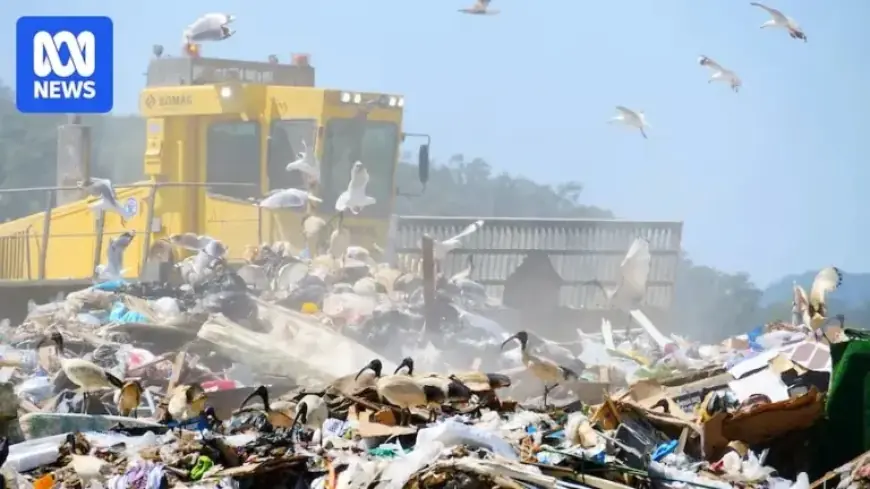
Queensland’s waste management crisis has deepened, as new government insights reveal concerns about rising waste levels and stagnant recycling rates. Recent data indicates that the state produced 10.25 million tonnes of waste in the 2024-25 financial year, marking a 4.5% increase compared to the previous year.
Waste Generation vs. Population Growth
This surge equates to an additional 440,000 tonnes of rubbish. Notably, this growth is outpacing the state’s population increase of 2.3% during the same time frame.
Recycling Statistics
Despite some progress, the proportion of municipal waste diverted from landfill remains concerning. As of 2024-25, approximately 57.8% of all waste was recovered. This shows a slight rise from 57.1% in 2023-24, primarily attributed to better recovery rates in the commercial and industrial sectors.
- Commercial and industrial waste: 55.8% diverted
- Construction and demolition waste: 85% diverted
- Municipal solid waste: 28.2% diverted
The recovery rate for municipal rubbish, which includes household waste, saw only a marginal decrease from the previous year’s 28.3%. It has consistently remained below 30% since 2019-20, highlighting the ongoing challenges faced in this sector.
Unmet Waste Recovery Targets
The former Labor administration set ambitious goals to increase municipal solid waste recovery to 55% by 2025, which now appears highly unlikely to be achieved. Another target aimed at diverting 65% of commercial and industrial waste by 2025 also remains unmet. However, a goal to divert 75% of construction and demolition waste has been successfully reached.
Government Response and Future Strategy
The current LNP government is actively reassessing Queensland’s waste management strategy. Environment Minister Andrew Powell highlighted efforts to collaborate with local councils and industry to enhance recycling initiatives.
“The upcoming waste strategy will focus on actionable solutions to improve recycling rates and minimize environmental impact,” Powell stated.
Soft Plastics Recycling Initiative
Queensland is also working on Australia’s first large-scale soft plastics recycling facility, which is processing substantial volumes of waste daily.
Industry Insights and Behavioral Challenges
Alison Price, CEO of the Waste and Recycling Industry of Queensland, addressed the affordability of landfill services in the state. She emphasized that until the cost of disposal significantly increases, residents may remain indifferent about their waste disposal habits.
“Behavioral change will only occur when Queenslanders recognize that waste management is their responsibility,” Price warned.
The impending waste strategy is viewed as crucial for guiding Queensland towards improved waste management practices and recycling efforts.