


















Trump Directs DHS to Avoid Protests in Democratic Cities Without Request for Aid

U.S. President Donald Trump has directed the Department of Homeland Security (DHS) to limit its involvement in protests occurring in cities led by Democratic leadership. Under this new directive, federal agents will only intervene if there is a direct request for assistance or if federal property is at risk.
Background of the Directive
This announcement comes in response to months of protests and civil unrest following the deployment of federal officers to Minnesota. The situation escalated after the controversial killings of two civilians, Renee Good and Alex Pretti, by federal agents. These officers claimed to act in self-defense but were met with skepticism as bystander videos contradicted their accounts.
Trump’s Stance on Federal Protection
In a statement shared via social media, Trump emphasized the need to protect federal buildings. He highlighted, “We will not allow our Courthouses, Federal Buildings, or anything else under our protection to be damaged in any way, shape, or form.” Despite the DHS’s new guidelines regarding protests, Trump noted that Immigration and Customs Enforcement (ICE) and Border Patrol would continue their aggressive protective measures.
Local Response and Protests
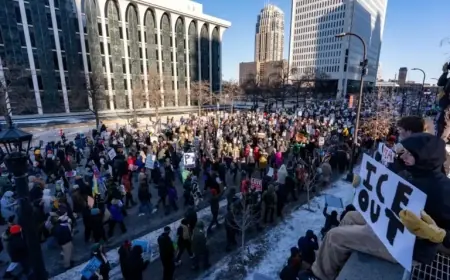
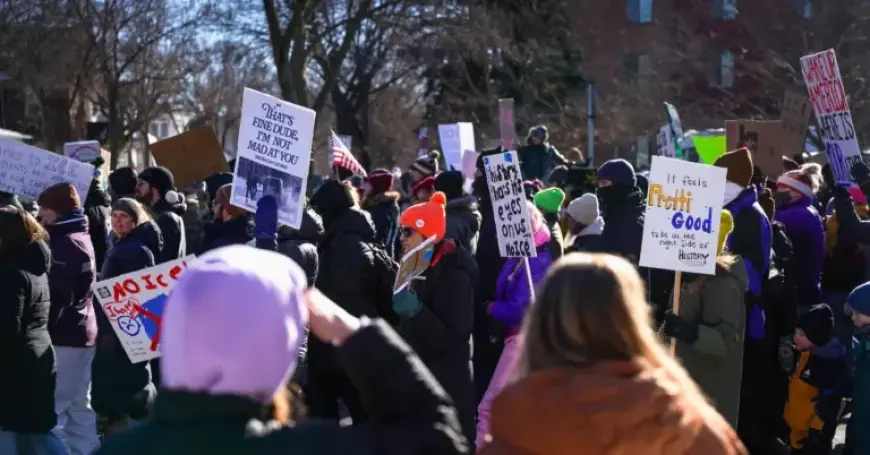
Local leaders, such as Minnesota Mayor Jacob Frey and Attorney General Keith Ellison, have challenged the federal presence in their cities. Protests erupted in multiple locations, with thousands demanding the withdrawal of federal agencies from Minnesota. Activists criticized the Trump administration’s immigration enforcement tactics as excessive, particularly in light of the recent fatalities.
Federal Operations in Democratic Cities
Trump’s administration has previously deployed federal officers to various Democratic-led cities, including Los Angeles, Chicago, Washington, D.C., and Portland. These actions were portrayed as essential for enforcing immigration laws and addressing crime. However, local officials have often disputed the rationale behind these federal interventions.
Legal Action Against Federal Operations
In their efforts to mitigate federal presence, Minnesota officials sought legal action. On Saturday, a federal judge denied their request for a preliminary injunction to stop the federal operations. This ruling further solidifies the federal government’s position against the backdrop of ongoing civil strife.
Conclusion
Trump’s directive to DHS marks a significant shift in federal intervention strategies in Democratic cities. As local leaders challenge federal deployments, the debate over immigration enforcement and civil rights continues to intensify across the nation.