

























Rethinking Annual Phone Releases: Why a Production Pause is Wise

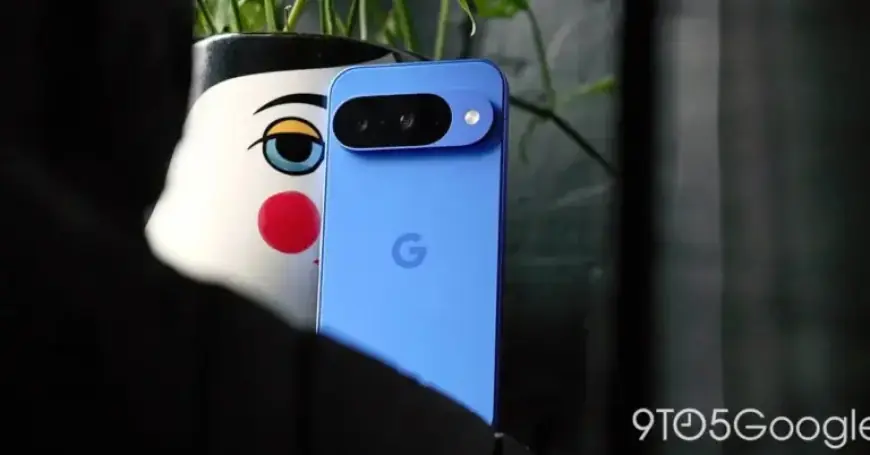
In recent years, smartphone releases have become increasingly monotonous. Many models showcase minimal advancements from their predecessors, often introducing just updated chipsets or new colors. As we approach 2026, the industry faces critical questions about the necessity of annual refresh cycles.
Assessing Annual Phone Releases
The trend of yearly upgrades has led to a predictable pattern among major smartphone manufacturers. For instance, Google’s Pixel series has established a “tick-tock” cycle, where significant upgrades are introduced every other year. Similarly, Samsung’s Galaxy S series has maintained a consistent template across several generations.
The Maturation of Smartphones
Smartphones have matured significantly since their inception over 15 years ago. Manufacturers now understand what functionalities are most important to consumers. Key performance areas, such as:
- Display quality
- Battery life
- Camera capabilities
are generally well-addressed across various price points. As a result, the industry is facing the law of diminishing returns, where increased investments yield fewer meaningful improvements.
Stagnation in Design
Design innovations have also stalled. With most designs reaching a saturation point, new models often resemble their predecessors closely. For example, the Moto G’s appearance is reminiscent of older Oppo designs. This lack of distinctiveness further contributes to consumer fatigue.
The Case for a Production Pause
Given the current conditions, taking a break from annual smartphone releases could be beneficial. This pause could enhance the excitement around new models and reduce electronic waste. The smartphone market is currently in decline, with numerous brands likely struggling to produce consistent new devices. Additionally, ongoing RAM shortages are complicating production timelines.
Brands Embracing a Pause
One notable company that has chosen to skip a release cycle is Nothing, which confirmed it will not launch Phone (4) in 2026. While this decision appears progressive, it’s worth noting that Nothing previously took a year off with its Phone (2) and Phone (3) releases, resulting in a noticeable improvement.
Asus has also declared a “pause” in smartphone development, suggesting a significant shift in its business strategy. This trend may not be isolated, as other manufacturers may also consider similar hiatuses in response to a tumultuous market landscape.
Conclusion
With the smartphone industry facing stagnation, component shortages, and a declining market, a reconsideration of the annual phone release model seems prudent. Although industry inertia may prevail, manufacturers could benefit from breaking this cycle. This shift could foster innovation, reduce environmental impact, and ultimately deliver more exciting products to consumers.