























Sibal Criticizes Government’s Unilateral Decisions Amid UGC Dispute

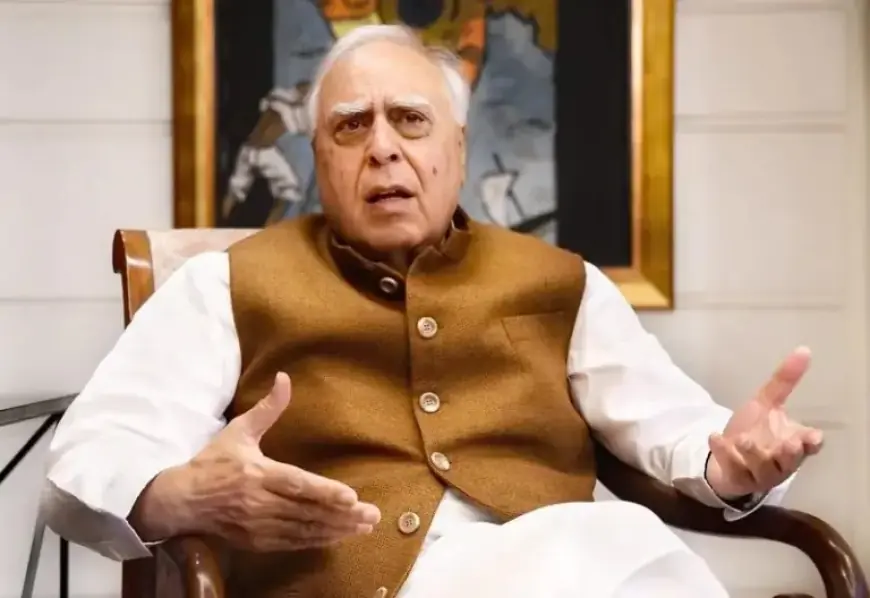
Rajya Sabha MP Kapil Sibal has voiced strong criticism against the Modi government’s approach regarding the controversial University Grants Commission (UGC) Equity Regulations. Sibal highlighted the government’s pattern of not consulting stakeholders, stating that this lack of dialogue affects crucial decisions impacting society.
Sibal’s Stance on UGC Dispute
In a recent interview, Sibal emphasized that the matter concerning the UGC Equity Regulations is currently under review by the Supreme Court. He refrained from commenting on specific details but stressed the importance of inclusivity for India’s development. “To realize Viksit Bharat, all sections of society must be considered in policy making,” he stated.
Concerns Over Societal Division
Sibal argued that attempts to create divisions within society pose significant risks for the nation’s future. He underscored that India’s diversity should be viewed as a strength, allowing for a broader consideration of all societal concerns.
Supreme Court’s Involvement
Last week, the Supreme Court stayed the UGC’s recent equity regulations due to concerns about their vagueness and potential for divisiveness. The framework is under scrutiny, with responses from the Centre and the UGC expected by March 19. The Court raised questions regarding definitions of caste-based discrimination in the regulations, which have sparked protests in various states.
Regulatory Details
- The new UGC regulations were notified on January 13, 2026.
- Institutions are required to form “equity committees” to address discrimination complaints.
- These committees must include members from OBCs, SCs, STs, persons with disabilities, and women.
- Previous guidelines from 2012 were largely advisory.
Government’s Assurance
In response to student protests, Union Education Minister Dharmendra Pradhan assured that the new guidelines are not intended for misuse and there would be no discrimination. However, the Supreme Court’s observations raised crucial legal questions regarding the regulations’ implementation.
Right to Information Debate
Sibal also touched upon the recent Economic Survey’s call to reevaluate the Right to Information (RTI) law. He expressed concerns about the potential for increasing restrictions on public access to government information, emphasizing the importance of transparency in a democratic society.
As the situation evolves, Sibal’s critiques underline significant tensions regarding government policy and its implications for social equity in India.