























Bulls vs Heat: rare mini-series swings to Miami with injuries piling up

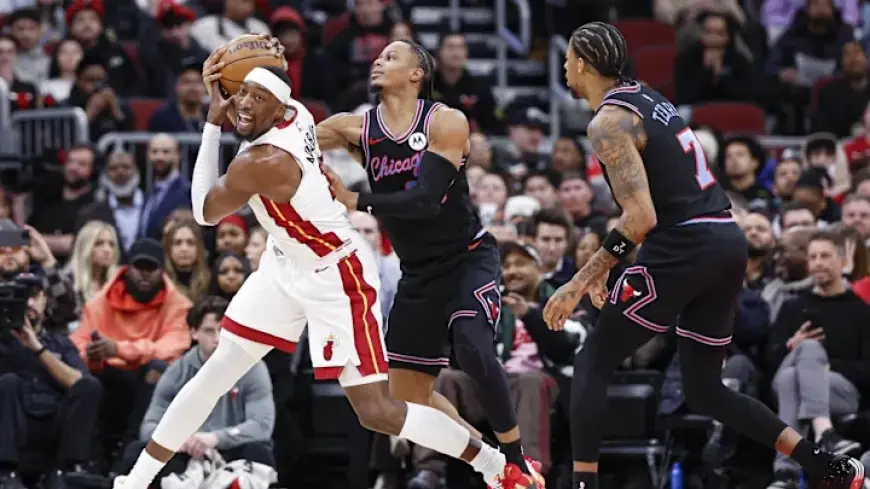
The bulls vs heat matchup has turned into a compressed, back-to-back storyline, with the heat vs bulls meeting on Saturday night in Miami serving as the third game of an unusual four-game set in a tight window. As of 9:21 p.m. ET on Jan. 31, Miami held a 63–56 halftime lead in Game 3, keeping pressure on a Chicago group that has been trying to stop a slide while shorthanded.
Sunday brings the immediate sequel — Bulls - Heat again — giving both teams almost no time to reset rotations, recover legs, or make major tactical adjustments.
How this series got unusual fast
It’s not common to see two teams meet four times with three games clustered within a few days, but that’s exactly what has happened here. The second game of the set was played Thursday, Jan. 29, when Miami won 116–113 in Chicago.
That tight finish set the tone: late-game execution, half-court shot-making, and the ability to survive cold stretches have mattered more than flashy runs. With the schedule compressing, the margins get thinner — especially once fatigue shows up in the fourth quarter.
Where things stand right now
Saturday’s game has already had the look of a grinder, with the Heat edging in front during the second quarter and carrying the lead into halftime.
Here’s the clean snapshot of what matters most as this mini-series rolls on:
| Game | Date (ET) | Site | Status / result |
|---|---|---|---|
| Game 2 | Thu, Jan. 29 | Chicago | Heat won 116–113 |
| Game 3 | Sat, Jan. 31 | Miami | Heat led 63–56 at halftime (as of 9:21 p.m. ET) |
| Game 4 | Sun, Feb. 1 | Miami | Tip set for 6:00 p.m. ET |
Injuries are shaping the chessboard
Both teams have been forced into plan-B lineups, and the availability list is long enough to change how coaches manage pace, spacing, and late-game sets.
For Chicago, the biggest ripple effects come from guard depth and frontcourt stability. A missing ball-handler shifts creation duties, often pushing other guards into heavier minutes and tougher defensive matchups. In the middle, any limitations at center tend to show up in rebounding margins and in how aggressively the Bulls can protect the rim without giving up open threes.
Miami’s issues cut in the opposite direction: the backcourt has been in flux, and any missing perimeter scoring forces more of the offense through half-court actions that lean on movement, cuts, and second-chance points. When that happens, the Heat’s ability to win the possession battle — rebounds, turnovers, and free throws — becomes the difference-maker.
What to watch in Bulls - Heat on Sunday
Sunday’s game is less about installing something new and more about exploiting what was revealed in the first three meetings.
A few swing factors stand out:
-
Fourth-quarter legs: The team that looks fresher late usually gets cleaner looks — especially on catch-and-shoot threes and drives that draw help.
-
Turnover control: Compressed schedules reward the team that keeps it simple. Live-ball turnovers are the quickest way to give away points.
-
Paint touches vs. perimeter volume: If Chicago can consistently get downhill, it can stabilize scoring even if jumpers go cold. If Miami wins the arc battle, it can stretch a defense that’s already tired.
Bigger picture for the Chicago Bulls
For the Chicago Bulls, this stretch is as much about staying afloat in the standings as it is about building a workable rotation until bodies return. Losing close games can still drag down a season quickly if it becomes a habit, and playing the same opponent repeatedly offers a rare chance to correct mistakes immediately.
For the Miami Heat, the goal is simpler: keep banking wins at home, protect late leads, and keep the defense organized even when shot-making swings.
Sunday’s tip comes with a straightforward promise: there won’t be much mystery left. The adjustments will be small, but the consequences in the standings won’t be.
Sources consulted: NBA, ESPN, Reuters, Associated Press