























Is tonight a full moon? Snow Moon marks full moon Feb 2026

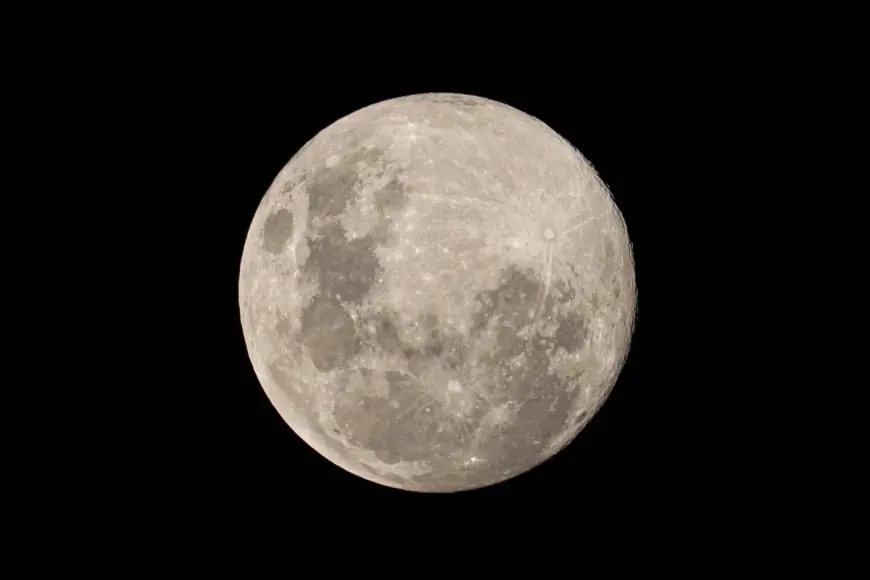
Yes — tonight brings February’s full moon, widely known as the Snow Moon, with the moment of peak fullness set for Sunday, February 1, 2026 at 5:09 p.m. ET. Even if you miss the exact minute, the Moon will look essentially full for most observers tonight and into the surrounding nights, making this one of the easiest sky events of the month to catch.
The timing matters mainly for people tracking the precise lunar phase. For everyone else, the practical takeaway is simple: if skies are clear, the Moon should appear bright, round, and highly illuminated through the evening and overnight hours.
Is tonight a full moon
In everyday terms, “full moon” is what you see when the Moon’s face looks fully lit. That’s what most people will notice tonight: a near-perfect disk that appears full to the eye, rising around sunset and staying prominent for hours.
Astronomically, “full moon” is a specific instant when the Moon sits opposite the Sun from Earth’s perspective. This month’s full phase lines up on February 1, which is why many calendars label tonight as the full moon night even though the Moon can look full for more than one evening.
Peak moment and viewing window
Peak illumination arrives at 5:09 p.m. ET on February 1, 2026. From a viewing standpoint, the best approach is not to chase the precise second but to plan around the broader window: the Moon tends to be eye-catching from dusk onward, and it often looks “full” both before and after the peak moment.
A few practical notes help set expectations:
-
The Moon can look full even when it’s not at the exact peak moment, especially to casual observers.
-
Brightness is the headline feature tonight: landscapes can look noticeably more lit than usual after moonrise.
-
Weather rules everything—thin clouds can create a halo effect, while heavy cloud cover can block the view entirely.
Key takeaways
-
Peak fullness: February 1, 2026, 5:09 p.m. ET
-
The Snow Moon will look full across tonight’s prime evening hours
-
The Moon’s brightness can wash out faint stars, but it’s great for casual viewing and photos
Why it’s called the Snow Moon
The name Snow Moon is tied to long-running seasonal moon-naming traditions in North America, where February is often associated with deep winter conditions and frequent snowfall. These month-by-month names vary by region and tradition, but “Snow Moon” has become one of the most commonly used labels for the February full moon in popular calendars.
In other words, the nickname isn’t about the Moon turning white or changing color. It’s a seasonal title—one that tends to stick because it matches how February feels across many colder regions.
How to get a better look tonight
You don’t need special equipment to enjoy a full moon, but a few choices can make it more memorable:
-
Catch it near the horizon: Right after moonrise, the Moon can look especially dramatic against buildings or trees. (Its color may also look warmer when it’s low.)
-
Use binoculars: Even inexpensive binoculars reveal major lunar features, especially along the darker edge where shadows add contrast.
-
Try a steady photo: If you’re using a phone, brace it on something solid. If your camera app allows it, reduce exposure so the Moon doesn’t blow out into a white blob.
One caution for stargazers: a bright full moon makes it harder to see faint objects like galaxies and many nebulae. If your goal is deep-sky viewing, the darker nights later in the month will be better.
What comes next in February
After the full moon, the lunar cycle moves into a gradual dimming phase. The next major milestones on many lunar calendars are:
-
Third Quarter: February 9, 2026, 7:43 a.m. ET
-
New Moon: February 17, 2026, 7:01 a.m. ET
-
First Quarter: February 24, 2026, 7:27 a.m. ET
The clearest “dark-sky” stretch typically builds around the new moon, when moonlight is minimal at night. If you’re planning stargazing, meteor watching, or night-sky photography, the week around February 17 often offers the best odds for darker conditions—assuming the weather cooperates.
Sources consulted: Timeanddate, Royal Museums Greenwich, Star Walk, Space.com